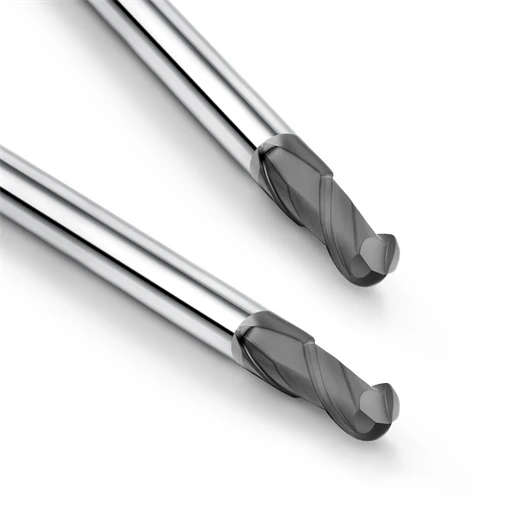
In our years of serving mold manufacturers and EDM clients, we hear one question repeatedly. Why do different shops—using identical graphite materials and machining equipment—get completely different results in precision, surface quality, and tool life?
We recently analyzed a real-world case that perfectly illustrates this issue. A precision mold manufacturer noticed their EDM graphite electrodes suffered from frequent dimensional deviations. The issues escalated during deep cavity and complex surface milling, where roughing was too slow and finishing caused edge chipping, rapid tool wear, and poor surface finishes. Our on-site analysis revealed the root cause: they lacked a structured workflow for their graphite machining system.
Roughing and finishing serve entirely different purposes in graphite electrode machining. The primary goal of rough milling is to remove mass material quickly while maintaining process stability. In contrast, finishing focuses strictly on dimensional accuracy, low surface roughness, and final EDM discharge performance. Using a single strategy for both stages kills efficiency and ruins electrode quality.
Based on our practical CNC experience, a robust graphite machining system requires a holistic approach. You must balance material properties, tool geometry, cutting parameters, and dust control. For high-precision EDM applications, the best strategy is using a dedicated roughing tool for bulk removal, followed by a diamond-coated end mill for precision finishing.
Our engineering projects consistently prove one core principle. Elite graphite electrode machining results come from system optimization, not just changing a single tool or parameter. Every step—from the roughing material removal rate to finishing tolerances—directly impacts the success of your EDM electrode production.
If you struggle with low machining efficiency, precision fluctuations, or inconsistent tool life, ask yourself one question. Does your shop utilize a true graphite machining system that seamlessly bridges the gap between roughing and finishing operations?
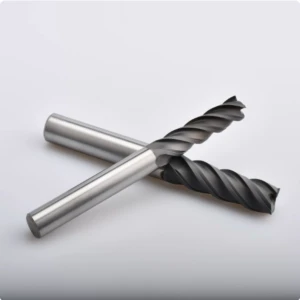
The Importance of Roughing vs. Finishing in Graphite Electrode Machining
In our CNC experience, failing to separate roughing and finishing strategies is a top cause of part failure. One client tried using the same tools and parameters for an entire complex-cavity electrode project to save time. This shortcut caused slow material removal initially, followed by severe dimensional drift and poor surface quality during the final phase. We stabilized their graphite electrode machining process simply by decoupling these two critical stages.
For high-precision EDM electrode production, roughing and finishing require completely different mindsets. Roughing must prioritize maximum material removal rates, process stability, and tool durability. Finishing demands extreme focus on dimensional control, surface integrity, and final EDM discharge performance. Customizing your approach to each specific stage is the only way to ensure a reliable graphite machining system.
The Impact of the Graphite Machining System on High-Precision Electrode Production
Excellent machining results are rarely achieved by changing a single tool; they require synergy across the entire graphite machining system. Factors like spindle performance, workholding rigidity, dust extraction, cutting parameters, and tool selection must work together. When optimizing client processes, we always evaluate the complete system rather than just swapping out individual end mills.
To boost high-precision capabilities, we conduct a holistic workflow analysis of the client’s shop. We balance graphite material grades with proper machining allowances and stage-specific tooling. Utilizing heavy-duty roughing tools first, followed by specialized diamond-coated finishing tools, drastically improves accuracy. For complex geometries, this systematic approach always beats simply pushing cutting parameters too hard.
Why Roughing and Finishing Strategies Determine EDM Electrode Quality
Some shops mistakenly believe that because graphite is soft, separating roughing and finishing is unnecessary. However, precision EDM electrodes demand strict dimensional consistency and flawless shape accuracy to perform well. The cutting forces and tool wear generated during roughing directly dictate the success of your finishing passes. If roughing leaves behind subsurface damage, your finishing options become extremely limited.
Efficient roughing focuses on rapid, stable stock removal, while finishing requires precise control over minimal stock allowances. This balance is critical when machining deep cavities, thin walls, or complex curved surfaces for EDM electrode production. We advise industry peers to look beyond individual cycle times and focus on the balance of the overall workflow.
Balancing Efficiency, Precision, and Tool Life in CNC Graphite Machining
In CNC workshops, managers consistently target three core metrics: machining speed, precision stability, and tool longevity. These objectives are deeply interconnected, meaning that pushing speeds too high can trigger edge chipping, vibration, and scrap parts. Finding the sweet spot requires a deep understanding of how graphite reacts under different mechanical stresses.
We resolve this by making strategic trade-offs based on the graphite grade and electrode geometry. We configure the roughing stage to prioritize reliable bulk removal, while the finishing stage focuses entirely on precision. By optimizing toolpaths and choosing the right cutters, you can achieve an ideal balance within your graphite machining system.
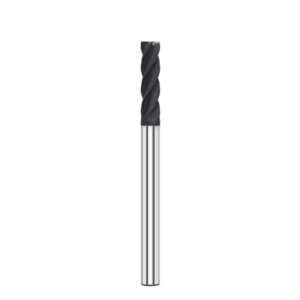
Graphite Rough Milling Strategy: Boosting Roughing Efficiency for Graphite Electrodes
In our client projects, the roughing stage always dictates the total cycle time of graphite electrode machining. We once worked with a shop that aggressively cranked up cutting parameters to speed up large electrode production. This mistake triggered severe tool chatter and accelerated wear, requiring extensive corrective rework during finishing. We stabilized their process by re-engineering their roughing allowances, tool selection, and toolpaths.
Efficient graphite roughing is not just about chasing the highest spindle speeds; it is about maximizing material removal rates safely. Our team customizes roughing strategies based on graphite grain size, part complexity, and machine tool rigidity. This approach ensures rapid bulk material removal while leaving a predictable, uniform stock allowance for the subsequent finishing operations.
The Core Objective of Graphite Rough Milling: Maximizing Material Removal Rate
The primary mission during roughing is to maximize the Material Removal Rate (MRR) without sacrificing process stability. For large parts, low roughing efficiency creates a major bottleneck in EDM electrode production. Therefore, we design machining plans that balance axial depth of cut, feed per tooth, and spindle load rather than over-relying on a single parameter.
In practice, we optimize toolpaths to eliminate non-cutting air moves and maintain constant cutter engagement. A highly strategic roughing phase alleviates the workload for precision finishing tools later in the cycle. This preventive measure reduces dimensional drift caused by cutting force fluctuations in your graphite machining system.
Selection Principles and Machining Advantages of Graphite Roughing End Mills
Tool geometry is a make-or-break factor during the initial heavy material removal phase. Some shops use standard carbide end mills for roughing graphite, which quickly leads to packed dust, clogged flutes, and edge failure. For roughing, we select tools featuring specialized chip-breaker geometries and wide flute valleys designed specifically for abrasive graphite dust.
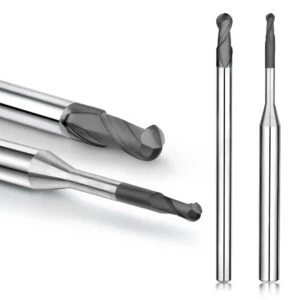
We highly recommend high-feed graphite roughing end mills to handle large volumetric removals and open-pocket structures. These tools manage heavy cutting forces and prevent harmonics, even on low-rigidity setups. However, tool selection must always align with your specific spindle capabilities, workholding rigidity, and vacuum extraction power.
Optimizing Cutting Parameters for Graphite Roughing
Years of shop-floor experience prove that most tool failures stem from a mismatch between cutting parameters and the machining stage. For instance, running too conservative a feed rate causes tool rubbing and rapid abrasive wear. Conversely, overloading the cutter causes micro-chipping on the tool edge and creates surface micro-cracks in the graphite.
We dial in spindle speed, feed rate, ap (axial depth), and ae (radial width) based on the specific graphite grade and electrode geometry. Effective parameters must also account for dust collection efficiency and localized heat generation. Are your current roughing parameters truly unlocking the full performance potential of your graphite machining system?
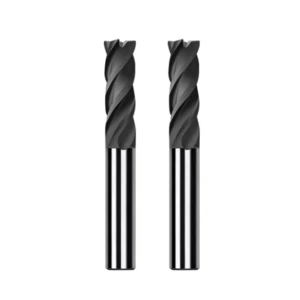
Graphite Electrode Finishing Strategy: Achieving High-Precision EDM Electrode Machining
In our CNC experience, the finishing stage is where hidden process flaws quickly come to light. We once solved a case where a client faced persistent dimensional drift and poor surface finishes during final passes on complex curved electrodes. Our on-site analysis proved that the root cause was not just tool wear. Instead, it was poor coordination between their roughing stock allowances, finishing toolpaths, and cutting parameters.
High-precision graphite electrode machining requires meticulous attention to detail during finishing. We customize finishing stock allowances and cutting parameters based on the electrode geometry and graphite material grade. While roughing prioritizes speed, finishing focuses entirely on cutting stability. This strict control is necessary to guarantee dimensional accuracy, surface integrity, and consistency across your graphite machining system.
Requirements for Dimensional Accuracy and Surface Quality in Graphite Electrode Finishing
The primary goal of finishing is ensuring the machined geometry perfectly matches your CAD model while eliminating surface defects. This accuracy is vital for precision mold components and complex cavity electrodes. Even a micro-level dimensional variation can ruin spark gap control, causing defects during your subsequent EDM electrode production runs.
Therefore, we prioritize tool condition and chatter elimination over high feed rates during the finishing cycle. When machining delicate thin walls or deep cavities, we adjust step-overs to prevent edge chipping caused by fluctuating cutting loads. Achieving an ultra-precise graphite finish requires balancing part accuracy against machining risks.
Toolpath Optimization in Graphite Electrode Finishing
We frequently observe that poor CAM toolpath planning ruins final electrode quality, even with brand-new equipment. Rough toolpath transitions and abrupt changes in cutter engagement create localized tool deflection and unsightly machining marks. We resolve this by optimizing tool lead-ins, lead-outs, cutting directions, and step-overs for each specific electrode geometry.
In practical client projects, we use continuous-engagement toolpaths to manage the chip load on narrow slots and deep cavities. A well-designed toolpath minimizes cutting force spikes, which drastically improves surface finish consistency. For electrodes requiring high aesthetic and geometric standards, a fluid toolpath is far more critical than simply pushing feed rates.
Diamond Coated Graphite End Mills Enhance Finishing Stability
Because graphite is highly abrasive, standard carbide cutting edges wear down rapidly during long finishing cycles. This micro-wear causes immediate dimensional drift and degrades part tolerances. To combat this in high-precision electrode projects, we always integrate premium diamond-coated cutters into our graphite machining system.
Diamond coatings maintain sharp cutting edges over long cycles, minimizing the need for frequent tool wear compensation. Of course, choosing the right cutter requires a full assessment of your graphite grade, machining depth, and spindle capabilities. For those optimizing their finishing workflows: have you identified the best combination of toolpaths and diamond tooling for your toughest geometries?
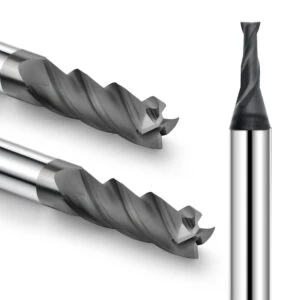
Key Differences and Application Scenarios: Roughing vs. Finishing in Graphite Machining
In our CNC experience, most shop-floor bottlenecks stem from a poorly defined workflow rather than faulty equipment. We once consulted for a mold shop that tried to minimize tool changes by using a single machining strategy for an entire complex electrode. While this setup saved them a few minutes upfront, the constant manual adjustments needed during final QC severely tanked their overall shop productivity.
This real-world bottleneck proves that a robust graphite machining system requires a clear division of labor. Roughing must focus strictly on bulk material removal and throughput, while finishing handles dimensional tolerances and spark readiness. There is no magic, one-size-fits-all parameter; your strategy must adapt to the specific electrode geometry and your shop’s daily production demands.
Differing Objectives: Roughing vs Finishing in Graphite Machining
The roughing stage prioritizes the rapid, safe bulk removal of excess graphite stock. When dealing with deep-cavity components, failing to maximize your initial material removal rate directly bottlenecks the subsequent finishing cycle. We design roughing operations around tool load management and process stability, ensuring the workpiece retains a uniform stock allowance for the next phase.
During finishing, the focus flips completely toward controlling micro-deviations, enhancing surface finish, and ensuring the part matches the CAD model perfectly. In production, we modify finishing toolpaths based on fragile structural features. For thin walls, sharp ribs, or deep slots, we will always prioritize cutting stability and vibration dampening over raw machining speed.
Selection Logic for Graphite End Mills Across Machining Stages
Choosing the wrong cutter geometry for the wrong stage frequently ruins the efficiency of an otherwise perfect graphite electrode machining line. Many shops try to push a single end mill through the entire cycle to cut costs. However, heavy roughing requires maximum core strength and wide flutes for chip evacuation, whereas finishing demands pristine edge stability and high-accuracy diamond coatings.
We select highly specialized graphite end mills tailored to the specific mechanical stresses of each stage. Heavy stock removal demands tools built for aggressive chip loads, while the final profiling stage requires cutters that eliminate tool deflection. The ideal choice must balance the specific graphite grade, spindle capabilities, and part geometry rather than relying on generic tooling categories.
Establishing a Comprehensive Graphite Machining Process
Achieving predictable results in EDM electrode production relies on establishing a comprehensive, controlled process from stock prep to final inspection. Every intermediate variable—including material grain verification, stock allowances, tool wear tracking, and parameter adjustments—affects your spark performance. We always analyze the final EDM application before generating a single line of CAM code.
A world-class workflow smoothly transitions through roughing, semi-finishing, finishing, and automated coordinate measuring machine (CMM) inspection. This systematic approach eliminates redundant paths, monitors tool wear, and ensures predictable blending between stages. For shops looking to upgrade their internal graphite machining system, integrating a structured workflow is far more valuable than simply increasing the cutting speed of a single tool.
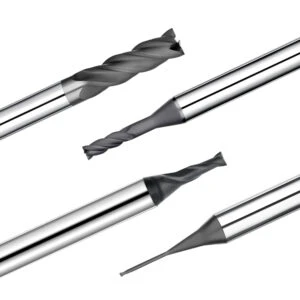
How to Select Graphite End Mills for Roughing and Finishing
In our CNC experience, tool selection is the single most critical factor influencing machining stability. We once worked with a shop that ran an identical end mill for both roughing and finishing on precision EDM electrodes. As the machining depth increased, progressive tool wear caused severe dimensional drift, which forced them into extensive manual rework during the finishing phase. We resolved this by separating tool usage based on the specific machining stage, allowing each cutter to operate within its ideal sweet spot.
Selecting the right cutter for a graphite machining system involves much more than just picking a diameter or flute count. You must carefully evaluate the core machining objective, material grain properties, and electrode geometry. While roughing demands high material removal rates and core strength, finishing requires pristine edge retention and low surface roughness. Therefore, we always define the machining stages first, then pair them with the appropriate tool types.
Structural Design and Application Scenarios for Graphite Roughing End Mills
The throughput of your roughing phase depends heavily on the tool’s geometric design. Graphite milling creates highly abrasive, fine dust that can quickly pack flutes if chip evacuation is poor. Efficient roughing tools require specialized web thicknesses for rigidity and wide flute valleys to clear material quickly. Maintaining tool stability is vital when tackling large electrodes, deep cavities, or blocks with heavy machining allowances.
We select graphite roughing end mills based on stock volume and the complexity of the workpiece. For heavy volumetric removal, we prioritize tools featuring aggressive cutting edge geometries and high core rigidity. When handling smaller, detailed electrodes, we choose a geometry that perfectly balances cutting efficiency with vibration control. In a high-production shop, the biggest cutter is rarely the best choice; the tool must match your specific machine limits.
Advantages of Diamond Coated Graphite End Mills in Finishing Operations
Through long-term process monitoring, we have found that tool wear is the number one enemy of finishing precision. When machining multiple electrodes in a single batch, even micro-wear on the cutting edge destroys part-to-part consistency. For high-precision finishing, our engineering teams focus heavily on tool life, dimensional stability, and final surface integrity.
For demanding EDM electrode production runs, we highly recommend integrating diamond coated graphite end mills into your finishing cycles. The extreme hardness of the diamond film prevents abrasive wear and maintains a sharp cutting edge over extended runtimes. While the initial investment is higher, it drastically reduces the need for frequent tool wear compensation on your CNC controller.
Choosing Between Carbide Graphite End Mills and Diamond-Coated Tools
Choosing between uncoated carbide and diamond-coated tooling is a common dilemma for many shop managers. Uncoated carbide tools remain cost-effective for short-run jobs, prototypes, or applications with loose tolerances. They offer excellent flexibility when you need to frequently modify toolpaths or test different machining strategies on the fly.
However, for high-precision graphite electrode machining, lights-out mass production, or tight tolerance tracking, diamond-coated tools are mandatory. We evaluate the total cost per part by balancing tool longevity against cycle times and surface finish requirements. For industry peers looking to optimize their setups: have you truly found the optimal tooling mix for your shop’s specific production volume?
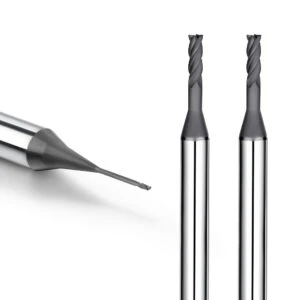
Building a Reliable Graphite Machining System for EDM Applications
In our CNC experience, machining stability is never determined by a single isolated variable; it depends on the harmony of your entire setup. We once troubleshot a precision mold shop that suffered from dimensional fluctuations and unpredictable tool life despite using high-end cutters. Our on-site analysis showed that the root cause was a total lack of integration between their machine tool capability, dust extraction vacuum, and CAM programming.
Consequently, we always prioritize building a comprehensive graphite machining system over simply tweaking individual feed rates. A truly reliable system requires a perfect balance between spindle dynamics, stage-specific tooling, and rigorous process control. We tailor the entire workflow to the structural complexity of the electrodes rather than relying on a generic, one-size-fits-all programming template.
Key Components of a High-Performance Graphite Machining System
A world-class graphite machining system relies on four pillars: a high-speed spindle, graphite-specific cutting geometries, optimized feed strategies, and industrial dust management. We often see shop managers focus entirely on buying expensive end mills while completely ignoring spindle runout and vacuum suction power. To unlock the full potential of your tooling, you must evaluate the entire manufacturing chain as one unit.
For intricate electrode features, we focus heavily on minimizing spindle runout, ensuring rigid workholding, and reducing tool deflection. For roughing large blocks, our priority shifts toward maximum volumetric removal and cutting vibration dampening. Furthermore, proper abrasive dust collection is mandatory, as airborne particles destroy linear guides and compromise long-term machine accuracy.
Matching Graphite End Mills, Machining Parameters, and Equipment
A common bottleneck in graphite electrode machining is the mismatch between high-performance cutting tools and machine capabilities. Some shops invest in premium diamond end mills but fail to hit tolerances because their spindle speed or radial step-over is completely mismatched. We prevent this by dialing in cutting data based on the specific machine kinematics and graphite grain structure.
In our client projects, we run controlled test loops to find the sweet spot for spindle RPM, feed per tooth, ap, and ae. For high-precision EDM electrode production, aggressive parameters do not guarantee better shop throughput. The goal is achieving maximum material removal while protecting part quality, which minimizes tool wear and ensures highly predictable production cycles.
Enhancing Graphite Electrode Machining Stability through Systematic Management
Years of practical shop-floor experience prove that inconsistent part quality stems from poor production tracking rather than bad luck. Batch-to-batch deviations are usually caused by erratic tool change intervals, unlogged parameter tweaks, and varying operator habits. We advise clients to replace tribal floor knowledge with a standardized digital process log to stabilize their workflows.
Systematizing your graphite machining system makes it easy to isolate and fix unexpected dimensional drift. This involves documenting ideal parameters for specific graphite grades, tracking real tool wear limits, and cataloging tricky geometry profiles. For industry peers looking to upgrade: true production stability comes from continuous data optimization, not a one-off parameter change. Has your current electrode manufacturing evolved into a highly repeatable, documented methodology?
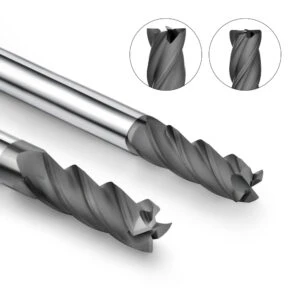
Optimizing Rough vs Finish Machining of Graphite Electrodes with a Comprehensive Graphite Machining System
In our CNC experience, consistent EDM results never stem from a single variable or a lucky tool choice. True success relies on the holistic coordination of your roughing cycles, precision finishing passes, diamond tooling selections, and spindle conditions. Whether you are pushing the volumetric material removal rate during roughing or holding micro-level tolerances during finishing, every single step directly dictates your final EDM spark efficiency.
As our real-world shop cases prove, separating roughing from finishing is not just about tool sequencing; it is a strict manufacturing methodology. To fix low shop efficiency, first verify if your roughing paths leave a perfectly uniform stock allowance for the subsequent finishing cycles. If you fight dimensional drift, audit your tool deflection, CAM lead-ins, and chip load parameters. Building a reliable graphite machining system means finding a tailored balance that matches your specific machine kinematics, graphite grades, and electrode profiles.
Summary of Core Strategies for High-Precision Graphite Electrode Machining
Achieving elite accuracy in graphite electrode machining requires shifting focus away from raw spindle speed and toward stage-specific optimization. The heavy roughing stage demands predictable, continuous bulk removal without triggering spindle spikes or workholding displacement. Conversely, the finishing cycle requires absolute control over tool deflection, edge erosion, and thermal expansion to ensure the electrode meets strict EDM discharge benchmarks.
If your shop routinely mills intricate cavities or fragile thin-walled ribs, you must carefully engineer the transition between your machining phases. Key variables include leaving the correct finish allowance, utilizing constant-engagement finishing toolpaths, and validating your parameters through localized on-site cut tests. Most field failures do not stem from a single massive crash, but rather from the accumulation of multiple minor process errors.
Recommendations for Graphite Rough Milling vs Graphite Electrode Finishing
In our own production workflows, we never treat roughing and finishing as independent or competing steps. Heavy roughing is optimized exclusively to clear mass material and slash cycle times, while precision finishing holds the geometric line for final part approval. A breakdown in communication between these two stages will immediately ruin your part quality and scrap expensive graphite blocks.
To maximize efficiency, optimize your chip loads and toolpath step-overs during the high-feed roughing stage. To upgrade your final part accuracy, focus on tracking micro-wear on the cutting edge, refining CAM step-downs, and checking spindle harmonics during finishing. Because graphite grades and machine rigidities vary wildly across shops, always customize your parameters based on live data rather than copying generic charts.
Building a Stable EDM Machining System with the Right Graphite End Mills
Tool selection remains the absolute bedrock of a highly reliable graphite machining system. Your chosen cutter must perfectly match the mechanical stresses of the current machining stage, your spindle’s torque curve, and the workpiece geometry. Roughing requires massive core diameters and wide flutes for abrasive dust evacuation, whereas finishing demands ultra-hard diamond coatings and flawless edge stability.
When auditing your current EDM electrode production workflow, base your tooling choices on verifiable shop data like actual tool life, cycle times, and CMM variance. Our engineering team is always ready to collaborate with you to analyze your specific drawings, material specs, and cycle goals. After all, the most profitable machining strategies stem from real shop-floor validation, not theoretical data sheets. Are you ready to transition to a more stable, highly repeatable graphite milling method tailored to your exact production environment?
Graphite Electrode Machining – Frequently Asked Questions
In our CNC experience, shop floor complaints usually center on four areas: tool life, rough-to-finish transitions, dimensional drift, and part finish. Machining failures are rarely isolated incidents caused by a single variable. Instead, they stem from a bad mix of graphite material abrasiveness, progressive tool wear, mismatched feed rates, and machine spindle runout.
We compiled these real-world field questions to help shop managers quickly diagnose bottlenecks and optimize their daily workflows. If you are currently struggling with part consistency or premature tool failure, use this guide to audit your setup. Let’s look at the exact variables impacting your current graphite electrode machining throughput.
What is the best end mill for graphite rough milling?
There is no single “magic tool” that fits every graphite rough milling scenario in a machine shop. The ideal selection requires matching your specific graphite grain classification, block size, total stock allowance, and spindle torque curve. For aggressive bulk material removal, we prioritize heavy-duty cutters engineered with deep flute valleys, high core rigidity, and stable cutting edges.
For heavy volumetric roughing, we highly recommend utilizing dedicated high-feed graphite roughing end mills. These specialized geometries maximize the material removal rate while clearing highly abrasive dust away from the cutting zone. You must also balance your spindle RPM and feed per tooth to prevent micro-chipping caused by tool rubbing within your graphite machining system.
Why use diamond-coated graphite end mills for finishing machining?
During high-precision finishing cycles, the number one enemy of dimensional tolerance is progressive abrasive tool wear. Because graphite behaves like an abrasive slurry under cutting pressures, uncoated carbide edges dull rapidly during long runtimes. This edge degradation causes immediate tool deflection, which ruins part-to-part consistency and leaves unacceptable machining marks.
For tight-tolerance applications, running premium diamond-coated end mills during finishing passes is the industry standard. The extreme hardness of the diamond matrix protects the cutting edge from erosion, keeping dimensions perfectly stable across large batches. This predictable tool life is critical for achieving the flawless surface finishes required in automated EDM electrode production.
How can graphite machining accuracy be improved?
Improving part accuracy requires optimizing your entire manufacturing workflow rather than just adjusting a single speed or feed. We often troubleshoot shops that purchase ultra-precise CNC machines yet still fight severe dimensional drift. Our audits usually trace the root cause back to poor roughing stock allocation, loose workholding, or improper CAM toolpath lead-ins.
To lock in tight tolerances, start by standardizing the remaining stock allowance left by your roughing passes. Next, inspect your spindle runout, fixture rigidity, and tool wear compensation schedules on the CNC controller. For high-precision components, a stable, continuous-engagement toolpath is far more valuable than simply upgrading your cutting parameters.
What factors affect graphite electrode finishing quality?
Final electrode surface quality is dictated by a combination of tool geometry, CAM path fluidities, parameter selections, and material density. A failure in any single variable immediately ruins your finish, especially on complex 3D profiles, thin-walled ribs, or deep slots. Uncontrolled vibration during final passes will translate directly into poor spark performance during EDM discharging.
To guarantee pristine finishes, pair a specialized diamond cutter with a fluid, constant-engagement CAM toolpath strategy. Ensure your parameters do not overload the delicate details, and keep your dust collection vacuum running at peak efficiency. Building a highly reliable graphite machining system means constantly refining these environmental and mechanical variables based on actual shop data.