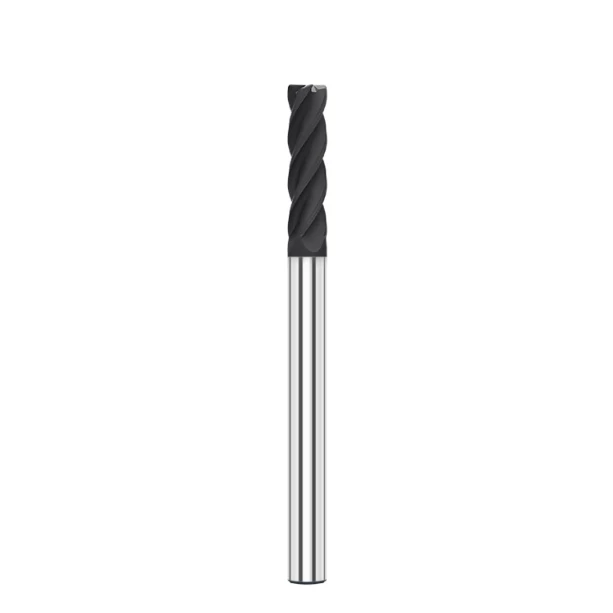
While optimizing electrode processes for a mold-making client, we hit a common bottleneck. Initial machining accuracy with standard carbide tools was acceptable. However, scaling up production quickly triggered severe tool wear, dimensional deviations, and inconsistent surface finishes that compromised subsequent EDM operations.
For complex cavities and high-density materials, the real challenge is not just removing material. The goal is maintaining tight tolerances and surface integrity over long production runs. We must transform electrode production from a process reliant on manual adjustments into a predictable, repeatable precision manufacturing operation.
In practice, we found that high-precision EDM graphite milling requires more than just a sharp tool. Graphite is highly abrasive, and its dust accelerates cutting-edge wear, destabilizing the process. Therefore, a robust graphite machining system must holistically integrate machine rigidity, cutting parameters, tool geometries, dust extraction, and toolpath strategies.
For precision mold-making clients, the primary manufacturing objectives typically include:
-
Maintaining micron-level dimensional control;
-
Enhancing consistency for complex electrode geometries;
-
Minimizing downtime caused by frequent tool changes;
-
Achieving stable, high-quality electrode surface finishes.
Regarding tool selection, practical testing shows that the end mill dictates the final outcome. While traditional carbide tools handle basic tasks, their wear resistance fails during high-speed, high-precision, continuous operations. Consequently, demanding applications increasingly adopt diamond-coated graphite cutters to extend tool life and secure dimensional stability.
As a dedicated manufacturer of premium cutting tools, we believe stable graphite milling requires a systemic approach. True process reliability comes from integrating material characteristics, optimized tool designs, and tailored machining parameters.
In this guide, we provide an in-depth analysis of the key factors influencing precision, efficiency, and tool life. We cover the core components of a graphite machining system, the graphite electrode manufacturing workflow, and optimization strategies for consistent results.
If you struggle with inconsistent tool life or dimensional drift using the same parameters, it is time to ask: has your machining setup truly been optimized for abrasive graphite materials?
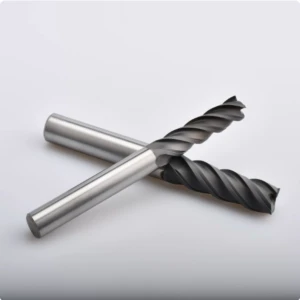
What is High-Precision EDM Graphite Milling? Understanding the Core Applications of Modern CNC Graphite Machining Systems
In many electrode projects, the initial challenge is not cutting graphite, but maintaining consistency over long runs. During batch production of complex cavities, the first few electrodes pass inspection easily. However, as machining progresses, tool wear triggers dimensional drift and surface roughness fluctuations, compromising subsequent EDM results.
True high-precision EDM graphite milling is a comprehensive process optimization encompassing specialized tooling, parameters, and machine stability. For intricate structures and deep cavities, a dedicated graphite machining system minimizes process variability. This system approach transforms graphite electrode production from an experience-dependent craft into a predictable, repeatable digital workflow.
The Critical Role of EDM Graphite Milling in Mold Electrode Manufacturing
Precision mold-making for automotive and connector industries requires electrodes with tiny radii, deep slots, and complex 3D contours. For these demanding applications, consistent graphite electrode manufacturing determines the overall spark erosion quality. It directly influences subsequent spark gap control, discharge efficiency, and the final surface finish of the steel mold.
We tailor our cutting strategies based on specific graphite material grades, electrode structures, and machining allowances. For small, intricate electrodes, we prioritize cutting-edge stability and vibration control to prevent fragile geometries from fracturing. By matching specialized milling tools with optimized toolpaths, we enhance long-term stability across the entire manufacturing cycle.
Requirements for Dimensional Accuracy and Surface Quality in Precision Graphite Machining
The greatest challenge in precision graphite machining lies in balancing strict dimensional tolerances with pristine surface finishes. Although graphite cuts easily, its inherent brittleness makes it highly prone to edge chipping and micro-nicks. If tool conditions, machining parameters, or chip evacuation methods are suboptimal, the electrode will fail inspection.
For demanding EDM applications, we strictly monitor profile accuracy and post-machining dimensional stability. When milling delicate features, engineers must avoid excessive cutting loads while ensuring the cutting edge remains razor-sharp. Consequently, matching the correct tool geometry with premium coating technology is vital to securing clean, chip-free electrode edges.
Achieving a Stable and Efficient Graphite Machining Process with CNC Systems
A reliable graphite machining system is never defined by a single piece of equipment, but by systemic interplay. Every variable, from raw material selection and workholding to CAM programming and dust management, alters the final output. Optimizing the entire ecosystem is the only way to achieve repeatable, unmanned precision.
In continuous production environments, we prioritize proven parameter combinations paired with diamond-coated cutters to ensure long-term stability. Chasing short-term, aggressive cutting speeds often leads to premature tool failure and costly scrap. In high-volume electrode production, true efficiency comes from running a consistently stable process rather than a single fast cycle.
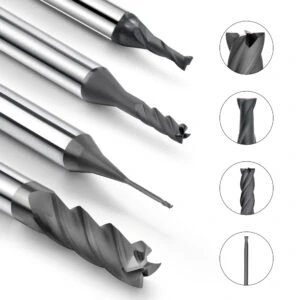
Components and Workflow of Graphite Machining Systems for Precision EDM Electrode Manufacturing
In many electrode projects, production bottlenecks rarely stem from a single isolated step. Many mold shops invest in high-end machines but still face severe edge chipping and dimensional drift because their tooling and CAM strategies lack unity. To eliminate these issues, engineers must evaluate the entire shop floor workflow through the lens of a comprehensive graphite machining system.
Achieving long-term stability requires tight integration of spindle performance, material grade, and cutting paths. We tailor our milling strategies to the specific electrode geometry, whether it involves deep cavities or ultra-thin ribs. Balancing material removal during roughing with surface integrity during finishing is the only way to ensure predictable spark erosion.
Configuration of Machine Tools, Tools, and Parameters in CNC Graphite Machining Systems
Successful graphite processing relies heavily on the technical compatibility between your CNC machine and your cutting tools. High-speed spindles alone do not guarantee superior accuracy; without rigid workholding and strict runout control, high speeds actually accelerate profile errors. A reliable graphite machining system must prioritize structural dampening and reliable dust containment to protect linear guides.
When dialing in machining parameters, feeds and speeds must match the specific density of the graphite block. Roughing cycles require heavier chip loads and maximum dust extraction to clear abrasive particles quickly. Finishing cycles, conversely, demand lower feed rates and precise toolpath smoothing to prevent microscopic fractures on delicate electrode edges.
Application of Graphite Milling Tools in Roughing, Semi-Finishing, and Finishing
Using a single cutter for every stage of electrode production is a recipe for premature tool failure. Rough machining demands highly rigid tool geometries designed for aggressive chip evacuation and heavy impact resistance. Selecting the wrong tool during roughing generates excessive heat, which quickly degrades the structural integrity of the graphite block.
As the workflow transitions to semi-finishing and finishing, the priority shifts to edge sharpness and tool wear tracking. For high-precision EDM graphite milling, deploying small-diameter cutters with dedicated wear-resistant coatings prevents dimensional drift. This strategic tool staging ensures that the final electrode geometry perfectly matches the CAD model without manual compensation.
Enhancing EDM Electrode Consistency through a Comprehensive Graphite Machining System
Maintaining strict batch-to-batch consistency is the ultimate test of any graphite electrode manufacturing setup. Prioritizing raw cutting speed over process stability always results in erratic tool wear and scrapped parts. True operational stability is only achieved when you standardize your tooling specifications and lock down your cutting parameter windows.
A data-driven machining system allows operators to easily replicate successful results across different shifts. By establishing a verified feeds-and-speeds database, shops eliminate the guesswork often associated with manual machine adjustments. In high-volume production, the true engineering challenge is not making one perfect electrode, but ensuring every single part in the batch is identical.

Choosing the Right End Mill for Graphite Machining: A Guide to Selecting Tools for Graphite Electrode Machining
When optimizing a graphite electrode machining line, precise tool selection dictates profitability and part acceptance. We often see shops use identical tool specs across varying material densities, resulting in rapid wear and severe dimensional deviations as depth increases. Therefore, we never evaluate tooling based on purchase price alone; instead, we analyze material grain size, electrode geometry, and tolerance requirements.
For intricate EDM electrodes, the correct tool guarantees a stable cutting state over long continuous cycles. Our engineering team typically splits the tooling strategy based on roughing, semi-finishing, and finishing phases. While standard carbide tools handle utility tasks, high-demand applications require specialized wear-resistant coatings and optimized edge geometries.
Structural Characteristics and Application Scenarios for Carbide End Mills for Graphite
At the start of many projects, we evaluate whether uncoated carbide end mills can handle the client’s current part geometry. Premium carbide substrates offer excellent core rigidity and impact resistance, making them highly effective for machining low-density graphite or simple shapes. However, as the process moves into ultra-precision finishing, the abrasive nature of carbon structures quickly degrades uncoated edges.
In practical shop environments, carbide tool performance depends heavily on the helix angle, core thickness, and overall dust evacuation capability. For example, when milling thin-walled ribs, we prioritize high-vibration resistance and edge retention to prevent workpiece flexing. Conversely, when bulk-clearing material, the focus shifts toward minimizing cutting loads and maximizing localized dust containment.
How Diamond-Coated Graphite Cutters Enhance Tool Life and Machining Stability
In precision manufacturing, standard cutting edges dull rapidly due to the highly abrasive action of loose graphite particles. This micro-abrasion leads to immediate dimensional drift and unpredictable surface finish changes during long production runs. To counter this, tier-one mold shops implement specialized diamond-coated graphite cutters to stabilize their critical dimensions.
CVD diamond coatings provide an extremely hard barrier that shields the carbide substrate from aggressive abrasive wear. In production, we deploy these advanced tools for high-density graphite grades and final finishing operations where zero tolerance drift is permitted. However, adopting coated tools requires matching them with rigid tool holders and optimal feed-per-tooth parameters to prevent coating delamination.
Selection Logic Based on Flute Design for Graphite Milling Tools
The technical impact of flute design on graphite chip evacuation is frequently underestimated by programming departments. Flute geometry dictates the allowable cutting load, available chip pockets, and the overall frequency of structural harmonics. For instance, two-flute graphite milling tools provide massive chip pockets for rapid dust removal, whereas multi-flute designs excel at high-feed finishing.
We adjust our tool suggestions based on the target electrode profile and the specific cycle time objectives. When a client faces complex 3D surfaces or thin micro-features, we prioritize high-helix designs that maintain continuous edge engagement. Finding a balanced configuration that matches your specific machine dynamics is always more valuable than buying a generic tool based on theoretical catalog data.
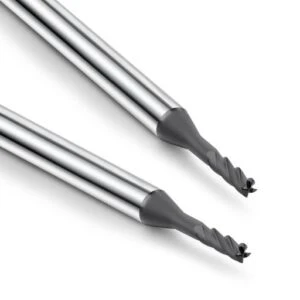
Key Strategies for EDM Graphite Milling: Achieving High Precision Graphite Machining
In electrode manufacturing, erratic tolerances rarely stem from a single variable. We often see shops successfully mill the first few electrodes, only to face severe dimensional drift on subsequent parts. This variance is driven by a cascading chain of tool wear, dust accumulation, and shifting thermal conditions. Establishing a reliable process requires a holistic strategy that balances speeds and feeds with environmental control.
For successful EDM graphite milling, the primary goal is maintaining micron-level repeatability across long production runs without tanking efficiency. We customize our milling approach based on part complexity, material density, and the specific cycle stage rather than running static speeds and feeds. This adaptive control allows high-precision graphite machining to meet the strict demands of medical, automotive, and micro-connector molds.
Optimizing CNC Graphite Machining Parameters: Selecting Speed, Feed, and Depth of Cut
When dialing in a client’s process, we first verify that the CAM parameters match the specific grain structure of the carbon block. Many shop-floor failures occur because of an imbalance between spindle speed, chip load, and depth of cut. Excessive feed rates overload fragile tool tips, while conservative parameters cause material rubbing, which generates friction and accelerates edge degradation.
Engineers must adjust CNC graphite machining parameters based on the effective cutting diameter and the specific machining phase. Roughing cycles prioritize maximum material removal rates and stable tool load limits. Finishing cycles require low cutting forces and uniform stepovers to lock in the final electrode profile. Testing the parameter window on your specific machine tool is far more effective than chasing catalog maximums.
Mitigating the Impact of Graphite Dust on Machining Accuracy and Tool Life
Through decades of shop experience, we have seen that inadequate vacuum extraction is a primary cause of premature tool failure. Fine carbon dust does more than just make a mess; it packs into flutes, coats fixtures, and creates abrasive friction. During long, unattended electrode runs, recycling these loose particles destroys the sharp cutting edges needed for crisp corners.
Therefore, our engineering team advises clients to treat dust extraction as a critical machining variable. High-velocity vacuum hoods and targeted air blasts must be positioned to clear the cutting zone instantly. Removing dust before it settles prevents recutting, protects linear guides, and extends tool life up to 30% in continuous production environments.
Dimensional Control and Surface Quality Optimization in Precision Graphite Machining
When handling tight-tolerance mold components, our quality control centers on batch-to-batch dimensional consistency. This focus is vital when milling thin-rib features and deep slots, where micro-vibrations can cause immediate edge chipping. We focus on tracking wear trends across the entire production batch rather than relying on standard post-process inspection.
To secure a flawless finish, we combine regular laser tool-wear checks with optimized finishing allowances. Drastically reducing the chip load during the final pass minimizes tool deflection and eliminates micro-fractures along the workpiece edge. In high-end mold making, a predictable and repeatable process is always more profitable than a fast but unstable cycle.

Why Are Diamond Coated Graphite Cutters a Key Choice for High-Precision EDM Graphite Milling?
In our precision electrode projects, clients constantly push to increase machining throughput without sacrificing part accuracy. This balance becomes incredibly difficult when milling high-density graphite blocks or complex 3D toolpaths. While standard carbide tools handle initial passes well, progressive cutting-edge wear quickly causes dimensional deviations, leading to erratic spark erosion during the subsequent EDM phase.
To solve this, tier-one mold shops evaluate their setup based on tool wear resistance, cutting stability, and overall cycle times. This is where premium diamond coated graphite cutters deliver an immediate competitive advantage. Proven shop-floor testing confirms these specialized tools withstand the severe abrasion of carbon particles, though your choice must still align with specific graphite grades and spindle capabilities.
How Diamond Coated Graphite Cutters Mitigate Graphite-Induced Wear
When troubleshooting tool failure on the shop floor, the root cause is rarely excessive cutting force, but rather severe abrasive friction. Raw graphite acts like sandpaper; as the spindle spins, loose carbon dust rapidly dulls a standard cutting edge. In high-volume production, maintaining tight batch-to-batch consistency is far more critical than chasing a fast cycle time on a single part.
Deploying advanced diamond coated graphite milling cutters provides an incredibly hard thermal and physical barrier against this structural degradation. Preserving a sharp edge ensures reliable dimensional control and eliminates the costly downtime associated with frequent manual tool changes. While short-run utility jobs can use standard carbide, continuous automated cell operations depend entirely on coated tooling solutions.
Advantages of Diamond Coated Tools Over Standard Carbide End Mills for Graphite
We regularly run side-by-side shop tests comparing uncoated micro-grain carbide end mills against diamond coated variants under identical parameters. Standard carbide tools offer excellent initial toughness and shock resistance for basic geometric shapes. However, their wear curve spikes sharply during extended machining cycles, causing surface roughness fluctuations that ruin tight-tolerance components.
In contrast, diamond coatings retain original edge geometry up to ten times longer, securing the stable cutting conditions required for high-precision EDM graphite milling. We highly recommend them for high-density materials and complex electrode shapes that require flawless finishes. To maximize these performance gains, programmers must pair them with rigid shrink-fit holders and optimized dust evacuation strategies.
Value in Machining High-Density Graphite and Fine-Structure Electrodes
Milling ultra-fine micro-features, deep thin-walled slots, and complex contours in high-density graphite presents the ultimate manufacturing challenge. These delicate geometries offer zero margin for error; any spike in cutting force from a dulling tool will instantly snap thin electrode ribs. Uncontrolled tool wear directly compromises the final spark gap accuracy and the surface integrity of the finished mold steel.
To safeguard these high-value components, we match the best cutting geometries with optimized CAM toolpaths and high-velocity vacuum extraction. For operations running automated production lines, neutralizing tool wear variability is the only way to achieve true lights-out manufacturing. When your shop tackles complex graphite electrode manufacturing, running a stable, predictable process is what separates profitable shops from the rest.

How a Graphite Milling Tools Manufacturer Helps Companies Build a Reliable Graphite Machining System
In our tooling projects, we find that a client’s manufacturing bottleneck goes far beyond simple edge wear. The root issue is usually the lack of a tailored application recipe for their specific shop-floor conditions. Buying premium cutters yields erratic results if the tool geometries, carbon grades, and CAM strategies are misaligned. Building a reliable graphite machining system requires a comprehensive approach covering tool design, application data, and process tracking.
During technical consultations, we evaluate the entire production workflow based on electrode complexity, tolerance limits, and delivery schedules. A professional graphite milling tool manufacturer must do more than just ship products; they must understand specific chip-rubbing mechanics and abrasive wear vectors. By continuously aligning tool geometries with actual cutting conditions, we help shops establish stable, repeatable milling processes.
Tool Design Capabilities Offered by a Professional Graphite Milling Tool Manufacturer
Through decades of testing graphite milling tools, we know that micro-design variables dictate final part acceptance. Cutting-edge micro-geometry, flute core thickness, and coating adhesion directly alter spindle harmonics during high-speed machining. When milling intricate electrode structures, the tool must stay razor-sharp while providing high vibration dampening to eliminate dimensional drift caused by spindle chatter.
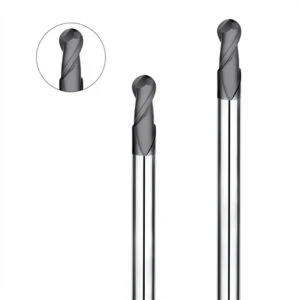
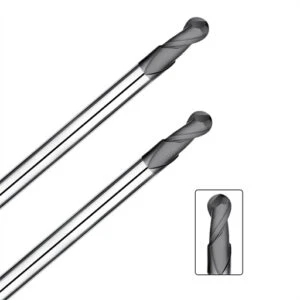
Consequently, we customize our tool geometries for specific target applications rather than relying on standard catalog items. For instance, deep-cavity electrode tools prioritize maximum core rigidity and optimized length-to-diameter (L/D) ratios to minimize deflection. Conversely, micro-ball cutters focus on tight profile tolerances and pristine edge finishes, ensuring the tool matches your exact machining environment.
Tailoring Machining Solutions to Graphite Materials and EDM Electrode Structures
In real-world mold shops, changing your graphite material grade completely changes your tooling requirements. Ultra-high-density graphite blocks provide excellent structural stability but inflict severe abrasive wear on cutting edges. Conversely, while fine-grained graphite allows for superior surface finishes, milling ultra-thin ribs requires specialized geometries that minimize localized cutting pressure to prevent part breakage.
To protect these high-value workpieces, we analyze the final spark erosion objectives before recommending specific toolpaths or coatings. For complex cavity configurations, we balance material removal rates with long-term edge retention to avoid mid-cycle tool changes. Aligning the tooling strategy with specific carbon properties eliminates expensive trial-and-error testing on the production floor.
Technical Support Spanning Tool Selection to Parameter Optimization
In precision manufacturing, machining bottlenecks are rarely solved by simply swapping out a cutting tool. A shop can buy the ideal tool yet still face premature chipping due to incorrect spindle speeds, feed rates, or vacuum positions. Therefore, our application engineering support goes beyond tool selection to lock in the entire parameter window based on your specific machine dynamics.
We continuously refine these parameters using real-time machining feedback from roughing to final finishing passes. Managing cutting-load spikes and clearing abrasive dust instantly creates a predictable wear cycle for automated, continuous production. For companies transitioning to high-volume, high-precision EDM graphite milling, this comprehensive optimization transforms individual tests into a scalable, corporate manufacturing standard.
Common Problems in High Precision EDM Graphite Milling
Through our extensive experience in optimizing electrode workflows, we have found that machining failures rarely occur overnight. Many customers achieve perfect initial results, but as production volume scales up, severe tool wear, dimensional drift, and erratic surface finishes emerge. On-site analysis reveals that these compounding bottlenecks are almost always tied to mismatched parameters, poor dust containment, and degrading cutting edges.
For successful high-precision EDM graphite milling, the goal is to identify these hidden variables early and stabilize the cutting window. Rather than swapping out single components in a panic, engineers must systematically troubleshoot the entire ecosystem. Evaluating material density, tool runout, and CAM paths together is the only way to pinpoint the root causes destroying your production consistency.
Why do graphite end mills tend to wear out quickly during machining?
We frequently troubleshoot customer reports of premature edge failure where tools dull after milling just a few electrodes. While raw graphite requires low cutting forces, its highly abrasive carbon micro-structure inflicts continuous friction on the tool’s cutting edge. This micro-abrasion accelerates drastically if chip pockets clog with dust or if feed rates cause material rubbing instead of clean shearing.
To counter rapid wear, we optimize the substrate toughness, edge hone geometries, and specific CVD coating choices. When continuously running high-density graphite, we deploy premium diamond coatings to safeguard the cutting edge profile over long cycles. Balancing your tooling specifications with the abrasive nature of your specific carbon grade prevents costly, premature tool replacements.
How can the machining stability of CNC graphite machining systems be improved?
Poor part repeatability is rarely caused by a lack of raw machine tool accuracy alone. We often see high-end machining centers yield erratic dimensions due to unmanaged spindle runout, weak workholding fixtures, or inadequate vacuum pressure. Improving the stability of CNC graphite machining systems requires a holistic protocol that harmonizes every mechanical variable on the shop floor.
Shops must standardize tool setup procedures, lock down speed ranges for each graphite grade, and use constant-load CAM toolpaths. For high-volume production, maintaining a predictable, stable machining window is far more valuable than pushing for peak spindle speeds. Securing this operational harmony ensures that every electrode produced matches the master CAD model perfectly.
How can dimensional deviations and edge chipping in EDM graphite milling be addressed?
Dimensional drift and localized edge chipping remain top profitability killers for precision mold shops. On complex electrode projects, subtle tool wear during the final finishing pass can cause thin-rib features to fall out of tolerance. These failures are typically triggered by excessive cutting loads, unmanaged tool deflection, or entry shock as the tool engages the material.
To eliminate deviations in EDM graphite milling, programmers must optimize finishing allowances and utilize climb-milling strategies. For fragile electrode details prone to fracturing, reducing the stepover and chip load lowers the physical impact while maintaining necessary edge engagement. In a strict production environment, repeatable process stability always beats aggressive, high-risk machining parameters.
Establishing a Highly Reliable Graphite Machining System for Precision EDM Graphite Milling
Through decades of managing automated electrode cells, we know that flawless machining results never happen by accident. True long-term profitability stems from a graphite machining system where machine kinematics, material characteristics, and CAM parameters are perfectly synchronized. While chasing peak removal rates is tempting, reducing your overall cost-per-part depends entirely on process predictability and batch-to-batch consistency.
As outlined in this guide, achieving manufacturing stability requires an all-front commitment to tooling selection, rigid parameter windows, and high-velocity dust containment. If your shop is currently tackling thin-walled ribs or high-density carbon blocks, we recommend auditing your current workflow setup. Transitioning from manual, experience-based adjustments to a data-driven, repeatable process is the only way to protect your subsequent mold EDM operations.
Summary of Core Technologies for High-Precision EDM Graphite Milling
The operational technicalities of high-precision EDM graphite milling extend far beyond buying the fastest spindle or the sharpest cutter. True precision manufacturing requires balancing material removal rates with tight profile tolerances and predictable tool wear cycles. Any unchecked vibration or micro-chipping during the finishing pass will directly compromise your spark gap accuracy and finish on the mold steel.
If you are currently fighting dimensional drift or erratic surface finishes, it is time to halt production and audit your ecosystem. Evaluate your specific graphite grain structure, check spindle runout, and verify your dust collection velocity. In our application projects, we eliminate these quality bottlenecks by engineering tailored parameter recipes rather than relying on standard catalog recommendations.
Summary of Selection Logic for Graphite Machining End Mills
In the precision mold industry, there is no such thing as a universal end mill that can handle every carbon application. Tooling geometries and substrate requirements shift drastically between roughing cycles, semi-finishing, and final high-feed profiling passes. Roughing demanding blocks requires massive core rigidity for impact resistance, while finishing delicate ribs requires razor-sharp edge retention and highly specialized clearances.
Before selecting your next tool, clearly define your primary processing goals based on cavity depth, micro-features, and graphite density. Matching your specific batch volumes with the correct CVD coating technology eliminates mid-cycle tool changes and scrap. This structured selection logic makes it much easier to achieve predictable, unmanned machining stability across your entire manufacturing floor.
Optimizing Future Machining Efficiency with a Professional Graphite Milling Tools Manufacturer
The commercial value of a tier-one graphite milling tools manufacturer goes far beyond simply delivering standard boxes of cutters. True value lies in providing application engineering expertise that bridges the gap between premium cutting tools and your specific shop floor variables. Leveraging deep data on coating adhesion, micro-geometries, and parameter windows drastically reduces expensive trial-and-error testing on your machines.
If you are upgrading your electrode production lines or troubleshooting a persistent finish issue, we invite you to evaluate your current setup with us. Let’s analyze your specific carbon grades, part prints, and spindle limitations together to build a robust machining recipe. Contact our engineering team today to share your blueprint specifications and collaborate on a reliable, high-yield manufacturing solution.