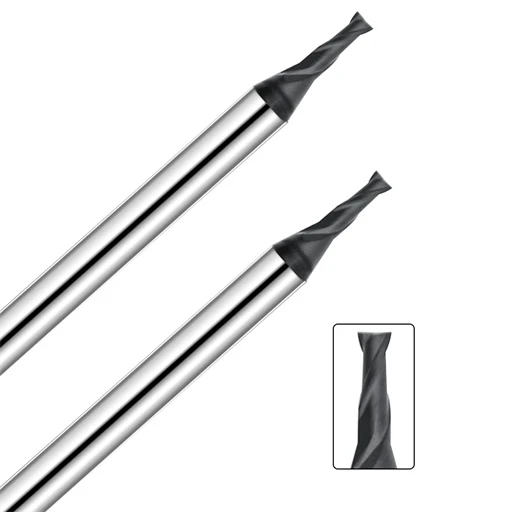
While providing graphite electrode machining solutions to a precision mold shop, we encountered a common bottleneck. Despite having advanced EDM equipment and deep EDM expertise, the client struggled with efficiency when producing complex graphite electrodes. They faced rapid tool wear, long cycle times, and inconsistent dimensional accuracy, which severely delayed subsequent mold delivery schedules.
Our engineering audit revealed that the root cause was not just a single machining parameter or a poor tool choice. Instead, the shop lacked a systematic optimization workflow for the entire graphite machining system. Every phase—from understanding material densities to programming toolpaths—directly impacts the final quality of the EDM electrode.
Many mold manufacturers focus solely on tool price or cutter material when sourcing graphite end mills. This narrow focus overlooks critical shop-floor challenges like abrasive dust, high-speed cutting dynamics, and edge chipping. Standard cutting tools fail to maintain a consistent tool life when milling intricate electrode features or deep cavities.
These tooling limitations lead to frequent machine downtime for tool changes and degraded surface quality. For high-precision EDM electrode manufacturing, relying on trial-and-error tool selection instead of data-driven processes will consistently bottleneck your production capacity.
To overcome these challenges, shops must treat graphite electrode machining as an integrated system rather than isolated operations. By pairing specialized diamond coated cutting tools with optimized cutting speeds and feeds, you can significantly eliminate micro-chipping. This systemic approach guarantees the strict dimensional tolerances required for precision mold making.
Furthermore, matching your machining strategies to specific graphite material densities is crucial for success. Implementing correct high-speed machining (HSM) toolpaths reduces tool deflection and ensures a superior surface finish. This stable process directly translates to faster spark erosion times during the subsequent EDM phase.
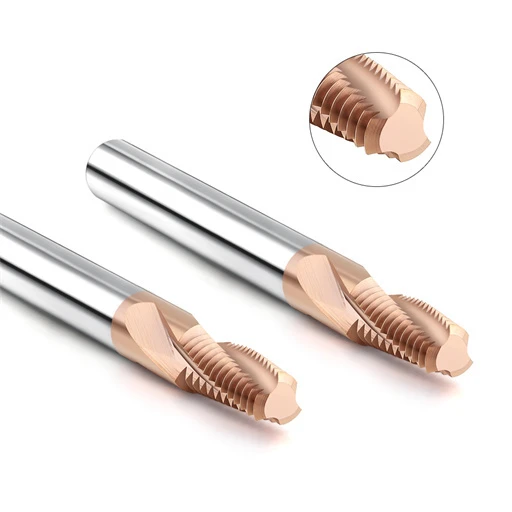
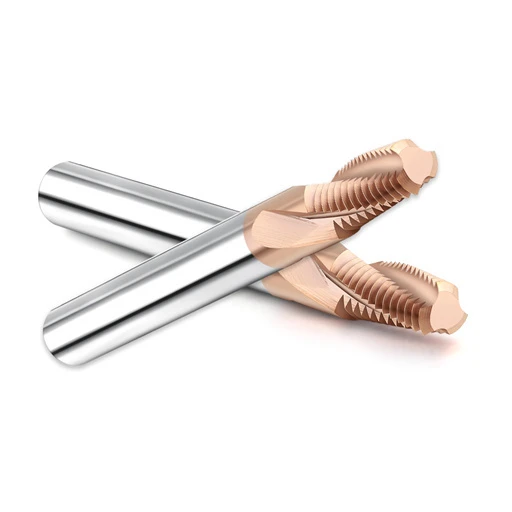
Selecting the proper end mills for graphite requires evaluating both substrate geometry and specialized coatings. Diamond coated carbide tools are essential to withstand the highly abrasive nature of graphite dust. Look for tools with optimized rake angles and sufficient flute clearance to evacuate chips efficiently.
Using the wrong tool geometry increases cutting forces and accelerates flank wear, destroying fine electrode details. Investing in premium graphite end mills ensures predictable tool life and maintains part consistency across long production runs.
True electrode machining efficiency comes from balancing high spindle speeds with precise feed rates. Because graphite fractures rather than shears, maintaining the correct chip load prevents the material from crumbling. Fine-tuning these parameters reduces machining cycle times while protecting fragile, thin-walled electrode ribs.
When faced with complex geometries, simply swapping a cutter is never enough. Elevating your shop’s throughput requires a comprehensive graphite machining system that harmonizes tools, parameters, and programming.

Understanding EDM Electrode Machining Requirements for Graphite Machining Systems
Precision mold shops with advanced EDM gear often face upstream bottlenecks like low efficiency and severe tool wear during electrode fabrication. This occurs because machining brittle graphite requires a completely different approach than milling metals. Achieving predictable results requires a unified graphite machining system that harmonizes material grades, specialized tooling, and high-speed CNC dynamics.
A robust machining workflow must address abrasive dust generation, material chipping, and strict dimensional tolerances simultaneously. Relying on traditional milling habits leads to inaccurate electrode profiles and costly downstream EDM corrections. Implementing targeted cutting strategies and proper chip evacuation ensures stable production and lowers overall manufacturing costs.
Core Requirements for Graphite Electrode Machining
Successful graphite electrode machining depends heavily on understanding the material’s micro-grain structure and particle size. Because graphite lacks elasticity, improper cutting forces trigger micro-notches, edge chipping, and profile distortion. Machining strategies must be tailored to the specific graphite grade to maintain the integrity of fragile electrode ribs.
High-quality EDM electrode machining demands excellent surface finishes, minimal tool deflection, and predictable tool life. Process stability is achieved not by blindly boosting spindle speeds, but by optimizing toolpath engagement and depth of cut. This holistic optimization guarantees that the finished electrode mirrors the exact CAD geometry.
Challenges in Precision, Surface Quality, and Efficiency in Graphite Electrode Machining
The primary challenge in high-precision milling is maintaining part-to-part consistency during long, unattended production runs. Even slight dimensional drift or surface degradation within an electrode batch will alter the EDM spark gap, stalling the mold debugging phase. Machinists must actively monitor flank wear to keep volumetric accuracy within tolerance.
Balancing rapid cycle times with extended tool life requires precise parameter matching. When selecting graphite end mills, engineers must match flute geometry to the specific cavity depth and pocket dimensions. Fine-tuning the chip load prevents the material from crumbling, protecting both the cutting edge and the electrode.
Why Traditional Machining Methods Struggle to Meet High-Precision EDM Electrode Manufacturing Needs
Using standard carbide cutters and conventional milling parameters on graphite inevitably leads to unpredictable tool failure. Standard tools cannot withstand the abrasive nature of graphite dust, causing rapid rounding of the cutting edge. This failure mode results in poor surface finishes and out-of-tolerance finishing allowances on complex electrode geometries.
Maximizing electrode machining efficiency requires moving away from empirical trial-and-error and adopting systematic high-speed machining (HSM) protocols. Integrating diamond coated tooling, optimized speeds and feeds, and dedicated dust extraction stabilizes the process. Partnering with an experienced applications supplier allows shops to establish repeatable workflows rather than just buying cutters.
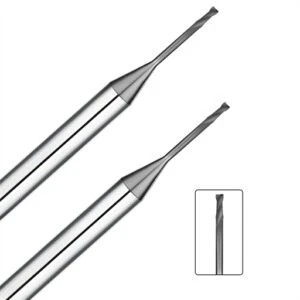
Optimizing Graphite Electrode Machining Processes for Higher Efficiency
Many shop-floor efficiency bottlenecks stem from improper process planning rather than CNC machine limitations. When machining complex EDM electrodes, attempting to rough and finish with a single tool accelerates flank wear and compromises dimensional accuracy. Achieving stable production requires a structured process breakdown based on electrode geometry, material grades, and tolerance requirements.
Optimizing these workflows requires a strategic balance between high material removal rates (MRR) and precise finishing allowances. Dedicated cutting strategies must be deployed for deep cavities, thin-walled ribs, or micro-features instead of using a one-size-fits-all parameter set. This targeted approach stabilizes cutting loads, eliminates repetitive test cuts, and prevents costly part scrap.
Breakdown of the Complete Graphite Electrode Machining Workflow
A reliable graphite electrode machining sequence must separate operations into distinct phases: roughing, semi-finishing, and high-precision finishing. The initial phase focuses on aggressive bulk material removal, while the finishing stage prioritizes final contour accuracy and spark-gap consistency. Applying identical cutting logic across all phases inevitably creates a conflict between throughput and precision.
Engineers must select specialized cutting tools based on the electrode’s structural vulnerabilities and pocket depths. Roughing stages require heavy chip loads and excellent chip evacuation, whereas finishing demands minimal tool deflection and vibration control. This phased workflow prevents premature tool failure and guarantees part-to-part consistency.
Roughing and Finishing Strategies in CNC Graphite Machining
Isolating spindle speed without adjusting your milling strategy across different machining stages often causes premature tool chipping. During roughing, excessive cutting forces trigger macro-fractures in brittle graphite structures. Conversely, overly conservative parameters during finishing rubbing actions glaze the cutting edge and degrade surface quality.
For premium EDM electrode manufacturing, we implement a high-feed roughing combined with a high-speed finishing protocol. Utilizing specialized diamond cutters to clear stock rapidly, followed by tight step-over finishing paths, optimizes the cycle. This method shortens production turnaround times while achieving the mirror-like finishes required for precision mold making.
Reducing Machining Time and Tool Wear with a Graphite Machining System
Minimizing operational costs requires optimizing the entire graphite machining system rather than focusing solely on cutter longevity. A mismatch between toolpath programming, diamond coatings, and dust extraction methods will quickly sabotage tool life. For example, poor vacuum suction allows abrasive dust to recut, which accelerates abrasive flank wear regardless of tool quality.
True electrode machining efficiency is unlocked by synchronizing high-speed machining (HSM) toolpaths with proper dust management and robust workholding. Adjusting step-overs and maintaining constant tool engagement angles yields far better stability than merely swapping tool brands. Establishing this systematic approach ensures predictable, unattended machining cycles for high-mix, low-volume mold shops.
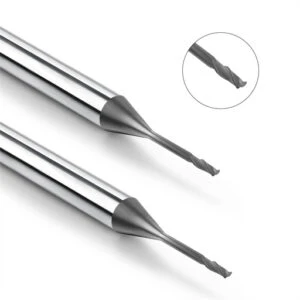
Choosing the Right End Mill for Graphite Machining
Tool selection is the single most critical factor dictating process stability in any graphite machining system. Even with high-end CNC centers, shops frequently suffer from premature tool failure, edge chipping, and erratic surface finishes if the cutter geometry mismatches the graphite grade. Engineers must evaluate tooling based on graphite density, pocket depths, and structural tolerance requirements rather than unit price.
Different milling phases—such as bulk roughing, intricate detailing, or high-gloss finishing—demand distinct cutting edge characteristics. A reliable tooling strategy prioritizes long-term edge retention and predictable wear behavior under continuous production stresses. Selecting the correct cutter profile prevents unexpected machine downtime and stabilizes the entire manufacturing chain.
Key Factors in Selecting End Mills for Graphite Machining
When sourcing graphite end mills, balancing cutting edge sharpness with micro-geometry strength is paramount. Because graphite fractures abrasively rather than forming ductile chips, an overly sharp, unsupported edge chips instantly under high feed rates. Conversely, a blunt edge increases cutting forces, causing severe part-deflection and localized material crumbling on thin-walled electrode ribs.
Engineers must carefully match the tool diameter, flute count, helix angle, and reach to the specific cavity depth. For instance, deep-pocket milling requires high-rigidity tapered necks and optimized helix angles to prevent harmonic vibration. Aligning these mechanical specifications with your exact shop-floor setup yields a far more stable process than relying on generic tool charts.
Impact of Graphite End Mill Structure on Machining Efficiency
The structural architecture of an end mill directly governs the cutting dynamics and chip evacuation inside the machining envelope. Engineered flute geometries rapidly evacuate highly abrasive graphite dust away from the cutting zone, eliminating dangerous recutting friction. Minimizing this secondary abrasion prevents heat spikes and drastically reduces localized flank wear during HSM.
Optimizing electrode machining efficiency requires using distinct structural configurations for roughing and finishing. Roughing cutters require heavy-duty core dimensions to withstand high material removal rates and structural impacts. Finishing cutters prioritize extreme concentricity and runout control to ensure flawless surface finishes and tight dimensional replication.
How Diamond Coated Graphite End Mills Enhance Tool Life and Machining Stability
Machining high-density, ultra-fine grain graphite requires the use of specialized diamond coated graphite end mills. Standard tungsten carbide substrates dull rapidly against abrasive carbon, resulting in dimensional drift across a single batch of electrodes. Premium CVD diamond coatings provide extreme surface hardness, preserving the critical cutting edge radius during extended, unattended production runs.
However, a high-performance coating cannot compensate for poor toolpath programming or incorrect chip loads. If the feed rate is too low, the tool rubs and glazes; if it is too high, the diamond layer delaminates under excessive impact. Maximizing your investment requires integrating diamond tooling with precision high-speed cutting parameters tailored to your specific electrode materials.
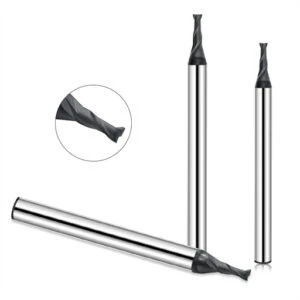
Optimizing Graphite Milling Speed and Feed for EDM Electrode Production
In practical graphite electrode machining, premature tool failure often stems from rigid, unoptimized cutting feeds rather than poor tool quality. Running identical parameters across different material densities and cavity depths accelerates tool wear and causes severe dimensional drift. Engineers must dynamic-tune cutting speeds based on real-time tool deflection and the structural fragility of the electrode.
Achieving high-throughput production requires a calculated balance between spindle RPM, axial depth of cut (DOC), and radial step-overs. Instead of blindly boosting speeds, managing the volumetric removal rate prevents the brittle graphite from crumbling. Implementing data-driven graphite milling speed and feed rates is the foundation of any high-performance machining workflow.
Principles for Setting Graphite Milling Speed and Feed Parameters
Determining the ideal cutting parameters depends heavily on cutter diameters and the structural complexity of the electrode. For heavy roughing, engineers prioritize high feed rates and maximum chip evacuation stability to clear material fast. For fragile, thin-walled geometries, reducing the chip load prevents harmonic vibration and preserves fine tolerances.
During HSM, increasing spindle speeds must always be paired with a proportional feed rate to prevent tool rubbing. Rubbing friction glazes the cutter edge, generating intense localized heat that degrades specialized diamond coatings. Monitoring spindle load indicators and cutting acoustics helps machinists fine-tune parameters to match their specific machine tool dynamics.
Optimizing Cutting Parameters Based on Graphite Material Density
Graphite material densities vary wildly, ranging from coarse-grain roughing grades to ultra-fine isotropic graphite for high-precision finish molding. Low-density graphite mills quickly but is highly prone to edge blowout and structural crumbling on sharp corners. High-density grades offer excellent EDM wear resistance but exert massive cutting resistance and abrasive wear on CNC tools.
Consequently, a single generic parameter chart cannot satisfy a modern graphite machining system. When milling ultra-fine grain graphite, technicians must prioritize low cutting forces and constant tool engagement over raw speed. Balancing feed per tooth with micro-grain hardness minimizes structural stress, preventing micro-cracking during long machining cycles.
Reducing Graphite End Mill Wear Through Machining Parameters
Accelerated tool wear is rarely a standalone issue; it is a symptom of mismatched feeds, improper chip clearance, and poor toolpaths. Running excessive chip loads or deep axial cuts overworks the cutter, leading to catastrophic micro-chipping along the outer cutting edge. Managing the machining rhythm is key to extending the life of premium graphite end mills.
To mitigate abrasive wear, engineers should employ light-cut, high-speed trochoidal milling strategies during roughing phases. Maintaining efficient dust extraction is equally vital to eliminate re-cutting, which quickly erodes the tool’s flank face. For high-volume mold shops, maintaining a stable, predictable parameter set yields far higher electrode machining efficiency than pushing tools to their breaking point.
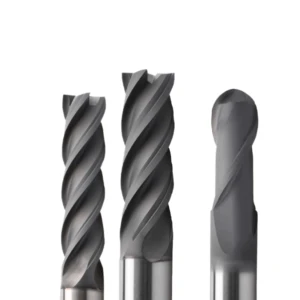
Building a High-Performance Graphite Machining System for EDM Electrodes
Many mold shops chase fast cycle times on a single electrode without realizing that true profitability relies on batch repeatability. High-end tooling or fast CNC mills cannot fix erratic dimensional drift if your toolpaths and parameter logic lack cohesion. Achieving predictable manufacturing requires a fully integrated graphite machining system where machine kinematics, diamond coatings, and processing data work in absolute harmony.
For high-mix, low-volume mold shops, systematic stability during continuous production is far more valuable than short-term speed bursts. A well-engineered workflow aligns the specific grade of isotropic graphite with specialized cutter geometries and advanced toolpath strategies. This holistic optimization removes shop-floor variables, minimizes scrapped parts, and guarantees a seamless transition into downstream EDM spark erosion.
Core Components of a Graphite Machining System
A high-performance machining system relies on four pillars: specialized cutting tools, calibrated feeds, rigid CNC platforms, and optimized toolpaths. A bottleneck in any single element collapses the efficiency of the entire manufacturing chain. For instance, using premium graphite end mills with incorrect entry angles causes instant edge chipping, regardless of how advanced your high-speed spindle is.
Engineers must analyze the electrode’s fragile geometric features before locking in flute configurations, diamond coating thickness, and step-overs. For deep-cavity work, managing tool deflection and maintaining aggressive dust extraction are paramount to prevent localized heat buildup. This disciplined approach ensures your CNC setup is fine-tuned for high-precision EDM electrode machining rather than just a one-off test run.
Stable Production Solutions for High-Precision Graphite Electrode Machining
Achieving tight dimensional repeatability across a multi-cavity mold project is the ultimate test of a shop’s process capability. Many shops mill a perfect prototype but face dimensional drift and surface degradation once automated, lights-out production begins. These erratic errors typically stem from progressive flank wear, inconsistent chip loads, and inadequate thermal control over long cycles.
Stabilizing your graphite electrode machining requires standardizing HSM protocols and implementing rigid tool-life management. Machinists should run dedicated toolpath strategies for roughing, semi-finishing, and micro-finishing to segregate mechanical stress. Monitoring cutting hour metrics allows shops to swap out worn tools before edge degradation alters the critical EDM spark gap.
Achieving High-Speed, High-Precision, and Low-Wear Graphite Electrode Machining
Balancing maximum feed rates with minimal tool wear requires a data-driven approach rather than aggressive guesswork on the CNC controller. Pushing spindle speeds too high without sufficient chip clearance leads to dust recutting, which swiftly strips diamond coatings from carbide substrates. True efficiency is unlocked by maintaining a constant chip load and optimizing the volumetric material removal rate.
Shops can maximize their electrode machining efficiency by pairing high-feed trochoidal milling paths with premium diamond coated milling cutters. This strategic combination minimizes cutting forces on fragile ribs while maintaining tight geometric profiles. Investing in a systematic workflow ensures predictable tool life and flawless surface finishes, driving down the total cost of EDM electrode production.
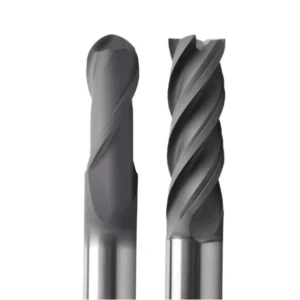
Common Problems in EDM Electrode Machining and Practical Solutions
Process instability is the most frequent complaint from shops expanding their graphite electrode machining volume. A process that runs perfectly on the first few parts can suddenly suffer from accelerated tool wear, severe dimensional drift, and degraded surface finishes during high-volume production runs. These processing failures are rarely caused by a single isolated variable; they result from the complex interplay of material grit, tooling harmonics, and shop-floor dust management.
Before prematurely replacing expensive cutters, engineers must run a structured root-cause analysis on the CNC center. Technicians need to audit whether erratic tool life stems from localized toolpath over-cutting, excessive cutting force spikes, or abrasive dust packing the flutes. Pinpointing these mechanical bottlenecks allows you to implement targeted parameter adjustments that restore volumetric accuracy and stabilize the overall manufacturing workflow.
Causes of Rapid Tool Wear in Graphite Machining
A common misconception among traditional metal machinists is that since graphite is soft, tool life should be exceptionally long. In reality, the highly abrasive micro-grain structure of carbon causes severe, continuous friction along the cutting edge. During HSM of dense isotropic graphite, improper tool geometry or uncalibrated feeds trigger rapid flank wear, micro-chipping, and catastrophic edge rounding.
To halt rapid tool degradation, shops must balance tool geometry selection with strict mechanical limits. Excessive tool overhang induces high-frequency chatter that destroys sharp cutting edges, while oversized radial step-overs overload the cutter. Extending the service life of graphite end mills requires reducing deflection through programmed trochoidal paths rather than simply purchasing harder tool substrates.
The Impact of Graphite Dust on CNC Machining Stability
In long-term CNC operations, managing airborne carbon particles is just as critical as selecting the correct spindle speeds. Machining graphite produces an immense volume of fine, abrasive dust that quickly settles into the cutting zone if extraction systems are weak. This trapped dust causes the cutter to repeatedly recut loose particles, accelerating abrasive friction and stripping specialized diamond coatings.
Inadequate dust collection dynamics will consistently sabotage electrode machining efficiency, regardless of how advanced your CNC machine tool is. Allowing abrasive slurry or dry dust to pack the workpiece cavities degrades the surface topology and leads to thermal spikes. Integrating high-velocity vacuum shrouds with optimized air-blast vectors clears the machining envelope, maintaining a stable and predictable cutting environment.
Preventing Edge Chipping, Dimensional Errors, and Surface Defects in Graphite Electrode Machining
Edge blowout, out-of-tolerance dimensional errors, and surface defects typically manifest during critical finishing stages. Because the electrode profile is near its final CAD geometry, even micro-meters of tool deflection can ruin the spark gap for subsequent electrical discharge machining. Resolving these quality defects requires micro-managing finishing allowances and ensuring absolute cutting-edge integrity.
To eliminate micro-chipping on fragile, thin-walled electrode ribs, engineers must deploy a rigid finishing strategy. Utilizing high-performance graphite end mills with tightly controlled runout preserves sharp corners and prevents corner crumbling. Furthermore, programming continuous, tangential toolpaths eliminates the sudden cutting direction changes that trigger material blowout, ensuring flawless batch consistency.

Why Choose a Professional Graphite Machining Tools Supplier
When shops encounter a sudden drop in electrode machining efficiency, their immediate instinct is often to blindly swap the cutter brand. However, an experienced CNC applications partner understands that machining outcomes depend on a complex matrix of material grain sizes, machine kinematics, and spindle harmonics. Working with a technical partner who analyzes your complete cutting ecosystem is far more valuable than simply buying from a commodity vendor.
A premium tooling partner provides tailored engineering diagnostics based on your specific electrode profiles and production volume. For micro-electrode fabrication, the focus must be placed on dynamic runout control and high-frequency vibration damping. For high-volume automated lines, the priority shifts to predictable flank wear behavior and long-term batch consistency to ensure unattended operation.
Technical Support Provided by a Professional Graphite Machining Tools Supplier
Sourcing high-performance tools for complex mold making requires deeply integrated application engineering support rather than just looking at tool catalogs. A qualified graphite machining system partner must actively analyze shop-floor challenges like abrasive dust packing, localized cutting force spikes, and macro-chipping. They should deliver data-driven parameter adjustments based on your specific CNC controller and dust-extraction capabilities.
When an electrode line suffers a drop in volumetric precision, engineers must first audit the chip load and toolpath entry angles. Often, optimizing the HSM path or step-over parameters resolves the bottleneck without forcing an expensive tooling overhaul. This systematic, data-backed troubleshooting is critical to maintaining a predictable spark gap for subsequent electrical discharge machining.
Custom Graphite End Mill and Machining Process Optimization Services
Standard catalog cutters frequently fail when confronting extreme electrode geometries like deep, narrow ribs or micro-scale details. These complex cavities demand customized tool lengths, specialized neck tapers, and engineered diamond coating thicknesses to prevent tool deflection. Partnering with a supplier capable of manufacturing custom graphite end mills eliminates risky trial-and-error adjustments on your production floor.
Beyond modifying tool geometries, a professional vendor optimizes the entire milling interface to maximize your machine’s capabilities. This involves calculating precise feed per tooth metrics and programming tangential lead-ins based on your specific grade of isotropic graphite. Harmonizing custom tooling with optimized parameter sets slashes setup times and stabilizes your long-term production margins.
A Holistic Solution—From Tool Selection to a Graphite Machining System
Achieving a flawless, zero-defect graphite electrode machining process cannot be accomplished by treating cutting tools as isolated components. Maximum throughput is achieved only when specialized substrates, high-feed parameters, rigid workholding, and dust management function as a single unit. A holistic engineering approach is mandatory to secure the tight tolerances demanded by modern precision mold manufacturing.
Before launching a high-precision electrode project, engineers must establish a clear benchmark covering material density, machine tool kinematics, and target cycle times. Validating this setup with synchronized speeds and feeds ensures the diamond cutter performs reliably during continuous, lights-out machining. Transitioning from a simple tool buyer to establishing a robust, integrated process yields sustainable gains in overall manufacturing capacity.
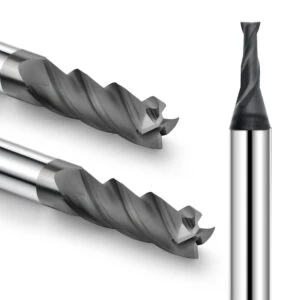
Achieve Efficient EDM Electrode Machining with the Right Graphite Machining System
Boosting your shop’s electrode machining efficiency cannot be achieved by tweaking isolated cutting variables or buying cheaper cutters. Sustainable, profitable production relies entirely on the technical synergy between material grades, diamond coatings, high-speed CNC kinetics, and optimized toolpaths. Building a systematic workflow tailored to your specific shop-floor conditions is the only proven method to eliminate dimensional drift and lower operational costs.
If your line is plagued by slow cycle times, unpredictable tool life, or poor spark-gap consistency, look beyond basic spindle adjustments. Audit the entire processing sequence, evaluating how your machine rigidity interacts with the geometry and density of the carbon block. Pinpointing the mechanical root causes of process instability yields immediate, measurable improvements, whereas blind tool swapping only wastes valuable machine uptime.
Key Takeaways for Boosting EDM Electrode Machining Efficiency
Maximizing throughput during graphite electrode machining requires mastering three pillars: structured process sequencing, matched tool geometries, and data-driven parameter management. Roughing operations must be programmed to maximize material removal without fracturing corners, while high-speed finishing must prioritize constant chip loads. Tailoring each milling phase to the structural vulnerability of the specific electrode profile is mandatory for success.
When machining ultra-fine details or deep pockets, engineers must closely monitor localized cutting force spikes and chip evacuation dynamics. Eliminating excessive tool deflection during semi-finishing prevents geometric errors from carrying over into the final finishing pass. Optimizing these subtle toolpath transitions slashes electrode production lead times and drastically shortens subsequent mold debugging schedules.
Summary of Selection Logic for Graphite Machining End Mills
Selecting premium graphite end mills requires matching the cutter’s micro-geometry with the exact mechanical objectives of the milling phase. Heavy roughing demands high-core-rigidity substrates and generous flute clearing zones to evacuate highly abrasive dust at high feed rates. Conversely, fine-detailing cutters require micro-grain substrates, flawless concentricity, and specialized diamond coatings to maintain tight geometric profiles without eroding.
Procurement teams must evaluate tooling assets based on the volumetric density of the graphite, target tolerance fields, and machine spindle configurations. For continuous, automated electrode production, predictable wear behavior across long tool paths is far more valuable than short-term cutting speeds. True process stability is unlocked only when the tool’s wear characteristics align perfectly with your programmed high-speed machining (HSM) cycles.
Future Directions for Building a Stable Graphite Machining System
As precision mold specifications tighten, the global tooling industry is shifting away from empirical manufacturing toward highly predictable, closed-loop processing. Future competitiveness depends on implementing a standardized graphite machining system that continuously integrates tooling telemetry, dust extraction data, and post-machining metrology. Transforming your shop floor into a data-driven ecosystem ensures your electrode quality remains identical from the first part to the last.
If you are currently designing a new graphite automated cell or struggling to troubleshoot an existing milling line, start with a comprehensive technical audit. Analyze your specific isotropic material grades, workholding rigidity, tool runout metrics, and dominant failure modes to build a baseline. Partnering with an advanced applications specialist to analyze your CAD drawings and material specs is the fastest route to establishing a zero-defect electrode production workflow.