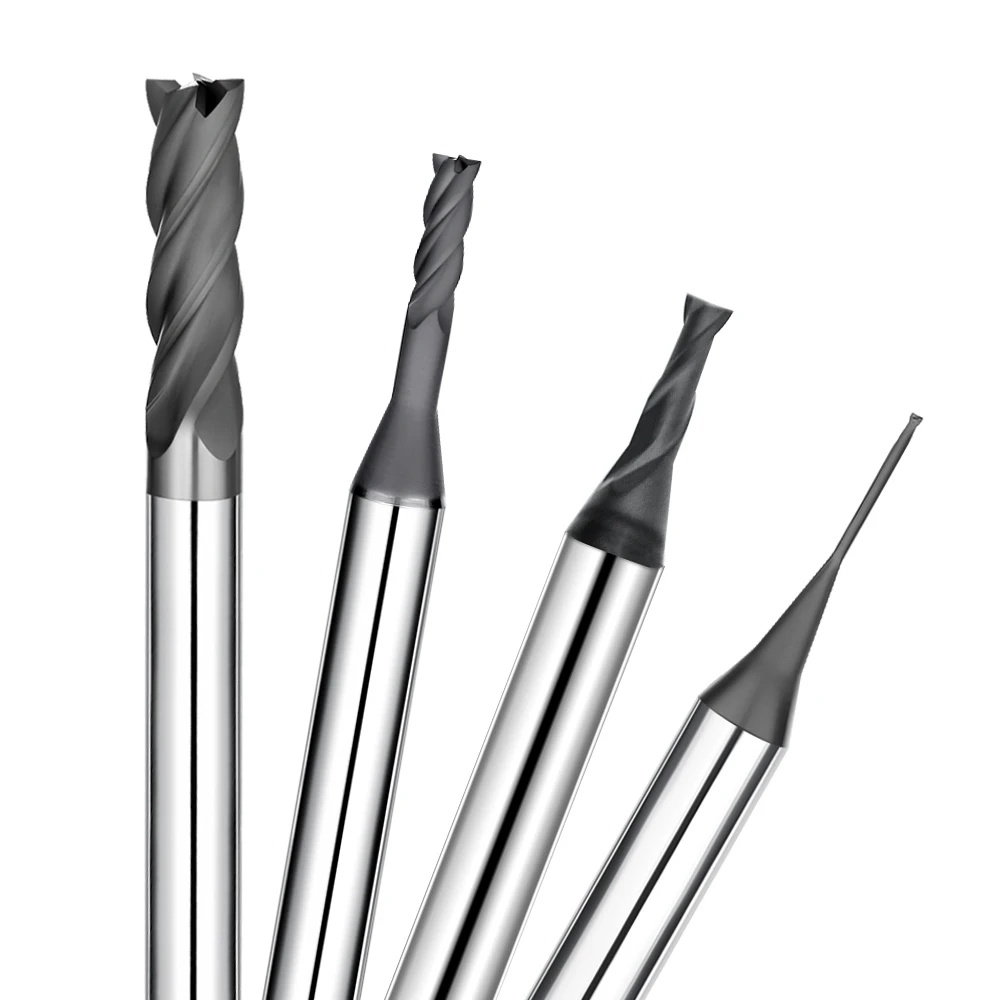
In recent years, producing high-quality graphite electrodes for EDM molds has become essential across the automotive, consumer electronics, and precision connector industries. However, many mold shops still face costly bottlenecks during the graphite electrode machining stage. Common floor-shop frustrations include inconsistent electrode dimensions, severe corner chipping, poor surface finishes, and unpredictable tool life.
Upgrading to high-end CNC machines alone cannot resolve these persistent manufacturing issues. Achieving a stable production workflow requires a holistic strategy that balances graphite material grades, tool geometries, and tailored milling paths. Today, leading mold manufacturers rely on comprehensive, system-wide solutions rather than focusing on isolated pieces of equipment.
In the machine shop, cutting tools are the ultimate deciding factor for both cycle efficiency and part quality. Tool specifications, geometries, and diamond coating technologies directly affect dust evacuation, edge integrity, and dimensional accuracy. For high-precision graphite electrode machining, specialized diamond-coated end mills minimize tool wear and deliver superior surface finishes.
Unfortunately, many purchasing managers prioritize the upfront tool price over long-term performance and material synergy. A truly mature machining solution integrates the proper cutting tool with optimized milling parameters and efficient dust collection systems. This systematic approach ensures consistent electrode quality for the subsequent electrical discharge machining process.
Drawing on a decade of CNC milling experience in the EDM molds industry, this guide outlines a proven framework for graphite production. We break down the complete workflow, from tool selection principles to advanced parameter optimization and tool life extension. Our goal is to help your shop build a highly efficient, low-wear machining system that slashes production costs.
In a highly competitive manufacturing landscape, high-end CNC machinery is only half the battle. True production efficiency comes from the synergistic optimization of the entire graphite electrode machining ecosystem.
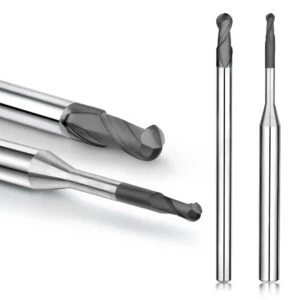
Why Graphite Electrode Machining Has Become a Mainstream Process for EDM Mold Manufacturing
Modern machine shops increasingly prioritize advanced graphite solutions over traditional metals for complex tool making. For applications involving intricate cavities, deep ribs, and high-frequency discharge, graphite electrode machining delivers superior dimensional consistency. Faced with shrinking lead times, thinning margins, and aggressive schedules, optimizing this milling phase is now a top operational priority.
A robust electrode manufacturing workflow requires more than just premium raw materials. It demands the seamless integration of specific graphite grades, precision tool geometries, optimized cutting paths, and high-velocity dust control. Balancing these variables ensures maximum machining efficiency and extended tool life during high-volume EDM mold manufacturing campaigns.
Advantages of EDM Graphite Machining in Precision Mold Manufacturing
When milling precision connector molds with deep cavities and thin ribs, minimizing electrode rework is critical. Implementing tailored tool paths and zone-specific cutting parameters stabilizes the overall graphite electrode machining process. This targeted engineering approach significantly reduces manual benchwork and mold adjustment times during subsequent electrical discharge machining.
For complex electrode geometries, structural stability under dynamic loads outweighs sheer cutting speed. Controlling cutting forces, eliminating corner chipping, and ensuring efficient dust evacuation directly translate to more reliable spark erosion performance. Therefore, top-tier shops customize milling strategies for EDM molds based on part geometry rather than relying on generic, factory-default parameters.
Comparison of Machining Performance: Graphite vs. Copper Electrodes
Choosing between graphite and copper depends on part geometry, production volume, and surface finish tolerances. While copper remains viable for large, flat-surface burns, graphite is the industry standard for complex 3D profiles and fine details. Choosing graphite allows shops to better control cycle times and total manufacturing costs during EDM mold manufacturing.
Graphite exhibits lower cutting forces, making it perfect for high-speed CNC milling with reduced cycle times. Conversely, copper is highly ductile and prone to built-up edge (BUE) formation, which accelerates tool wear. Balancing material characteristics with specific production needs allows shops to optimize both precision and electrode cost-per-part.
How Graphite Machining Systems Enhance EDM Efficiency
True floor-shop efficiency depends on how well the entire graphite electrode machining system works in unison. Every variable—from workholding repeatability and spindle harmonics to diamond-coated tooling and dust extraction—impacts the total production cycle. If a single element fails, maintaining tight tolerances becomes impossible, regardless of your CNC machine’s capabilities.
To maximize throughput, treat electrode fabrication as an integrated system rather than isolated milling steps. Combining specialized diamond-coated cutters with optimized tool paths drastically reduces tool wear and eliminates manual polishing. This systemic approach is the most effective way to boost long-term stability in precision EDM molds production.
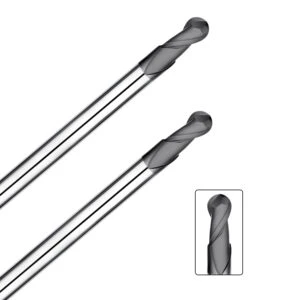
How a Graphite Machining System Achieves High Precision Graphite Electrode Machining
Achieving tight tolerances in graphite electrode machining requires more than just a high end CNC mill or optimized feeds and speeds. In production environments, final part quality depends on a matrix of variables, including environmental dust control, workholding stability, and structural harmonics. Leading mold shops utilize a closed-loop graphite machining system to guarantee part-to-part consistency across complex multi-cavity runs.
During batch production for high-precision plastic injection molds, subtle thermal shifts or improper setups can cause localized dimensional deviations. True process optimization addresses root causes by stabilizing workholding rigidness, refining the cutting sequence, and monitoring tool wear dynamically. This systematic approach eliminates variations in surface finish and ensures reliable results that standalone equipment upgrades cannot deliver.
Core Components of a Graphite Machining System
A dependable workflow for fabricating electrodes used in EDM molds integrates six critical elements: the machine tool platform, a high-speed spindle, specialized tooling, dust extraction, precision fixtures, and advanced CAM software. Spindle stability dictates cutting smoothness, while the tool’s edge condition directly impacts corner chipping. Meanwhile, the CNC program determines the geometric accuracy of complex 3D contours.
Many machine shops invest heavily in premium CNC centers but still suffer from inconsistent electrode dimensions due to component mismatch. Common culprits include pairing the wrong cutting tool geometry with a specific graphite grade, or using fixtures with poor positioning repeatability. For shops targeting high-precision graphite electrode machining, building a standardized parameters database is far more effective than upgrading individual components.
The Impact of High-Speed Spindles, Dust Extraction Systems, and Fixtures on Machining Stability
Milling micro-electrodes or deep-cavity structures requires ultra-precise equipment configurations to handle fragile, thin-walled geometries. A high-speed spindle minimizes cutting vibrations, protecting delicate features from premature fracturing. Simultaneously, high-velocity dust extraction prevents highly abrasive graphite particles from re-entering the cutting zone and causing secondary tool wear or surface scoring.
Workholding repeatability is another critical factor that CNC programmers often overlook during setup. When machining high-precision electrodes for EDM molds, any minute clamping distortion is amplified across long, slender profiles. Selecting a dedicated, modular workholding system tailored to the electrode’s geometry ensures absolute stability during aggressive high-speed milling cycles.
Advantages of a Graphite Machining System for Complex EDM Electrode Production
Manufacturing complex molds frequently requires milling deep narrow slots, micro corner radii, and intricate 3D cavities. The ultimate challenge in graphite electrode machining is maintaining uniform dimensional accuracy throughout long unmanned machining cycles. Strategically balancing your machine tool resources and cutting strategies is vital to conquering these highly complex geometric challenges.
Implementing a comprehensive machining system allows mold shops to maintain strict geometric consistency across low-volume, high-mix production runs. Optimizing high-speed milling paths and utilizing specialized diamond-coated cutters drastically reduces manual benchwork and downstream EDM rework. For shops producing high-end EDM molds, this systematic approach significantly lowers total manufacturing costs.
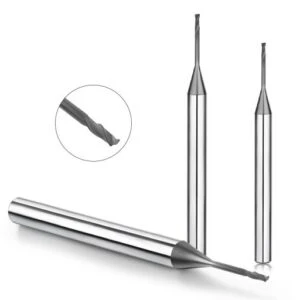
How to Choose Between Graphite Milling Cutters and Graphite Cutting Tools
Selecting the right cutting tool geometry is a make-or-break decision for high-quality graphite electrode machining. Because industrial graphite is highly abrasive and brittle, it is notoriously prone to edge chipping and micro-fracturing during CNC milling. Machine shops must look beyond material hardness alone; success requires matching the cutter’s geometry to the specific graphite grade and electrode profile.
For automotive mold projects featuring deep ribs and complex 3D contours, generic tooling frequently causes severe corner chipping. Resolving these issues requires optimizing the tool selection, cutting parameters, and milling paths in unison. A stable process relies on choosing a specialized graphite milling cutter designed to handle the abrasive nature of the material while maintaining tight dimensional tolerances.
Common Types of Graphite Milling Cutters and Their Applications
A reliable production workflow for EDM molds divides electrode fabrication into three distinct stages: roughing, semi-finishing, and finishing. Roughing stages prioritize maximum material removal rates (MRR) and heavy chip evacuation, demanding robust tool cores. Conversely, fine finishing demands ultra-sharp cutting edges and high-precision geometries to ensure superior surface integrity.
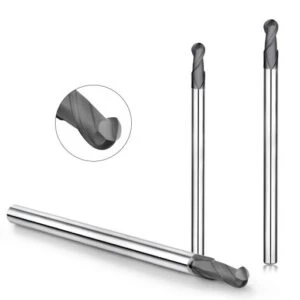
Tool selection must adapt directly to the electrode’s structural features. While simple cavities can be cleared using standard flat end mills, complex profiles with deep slots require tapered neck ball-nose cutters. For high-precision contouring, prioritizing tool rigidity and harmonic vibration control is far more critical than chasing faster spindle speeds.
The Impact of Graphite Cutting Tool Geometry on Machining Quality
Cutter geometry dictates the magnitude and direction of cutting forces during graphite electrode machining. Key variables such as the rake angle, helix angle, and core thickness determine how efficiently abrasive dust is evacuated from the cutting zone. Poor flute design leads to dust accumulation, which triggers secondary tool wear and degrades the surface finish.
This geometric impact is magnified when milling fragile micro-electrodes or thin-walled webs. Machinists can minimize deflection by reducing tool stick-out, balancing cutting loads, and utilizing geometries optimized for high-speed dry milling. Properly engineered graphite cutting tools prevent premature edge blowout and ensure predictable results prior to the EDM spark process.
Why Diamond Coated Graphite End Mills Are the Preferred Choice for EDM Graphite Machining
While standard carbide tools can cut graphite, rapid edge wear quickly destroys dimensional consistency during long production runs. For tight tolerances and automated continuous machining, diamond coated tooling solutions are an absolute necessity on the shop floor. This specialized coating preserves the sharp cutting edge required for high-volume electrode fabrication.
Using a premium diamond coated graphite end mill paired with optimized feeds and speeds ensures outstanding batch repeatability for intricate EDM molds. However, the diamond coating is only as good as the underlying tungsten carbide substrate. The core material, edge preparation, and coating adhesion must work together to prevent premature delamination.
Performance Comparison of Various Graphite Machining Tools
Developing an efficient tooling strategy requires a comprehensive evaluation of your specific machining goals. For high-efficiency roughing, focus on tool life and volumetric removal rates. For high-precision graphite electrode machining, the priority shifts completely toward long-term dimensional tracking, low surface roughness, and edge sharpness.
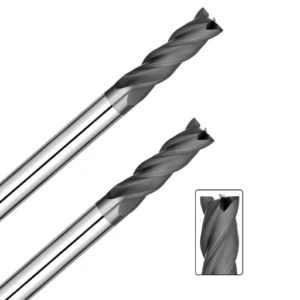
Uncoated carbide tools offer a low-cost alternative for short-run, loose-tolerance jobs. However, CVD diamond-coated cutters are the industry standard for high-mix, close-tolerance automated environments. Rather than searching for a single magic tool, successful mold shops establish a tiered tooling matrix based on part geometry and production volume.
Key Factors Affecting EDM Graphite Machining Precision
In high-end tool rooms, achieving extreme precision during graphite electrode machining is paramount. Poor results during spark erosion typically stem from subtle errors introduced during the milling phase rather than flaws in part design. When machining micro-features or deep cavities, even a microscopic dimensional deviation will compromise the critical discharge gap control and destroy the final surface quality of your EDM molds.
Securing sub-micron repeatability across identical production batches requires a closed-loop control strategy. Relying on isolated machine adjustments cannot compensate for cumulative errors caused by material grade variations, cutting edge degradation, and poor dust evacuation. True dimensional stability is only achieved when the entire CNC milling ecosystem is systematically monitored and controlled from roughing to final inspection.
The Impact of Graphite Material Grade on Electrode Precision
Selecting the proper raw material grade drastically changes the dynamics of graphite electrode machining. Key material properties—such as average grain size, particle distribution, bulk density, and shore hardness—dictate how the material behaves under high-speed cutting loads. For close-tolerance electrodes, selecting an ultra-fine grain graphite structure is critical to preventing micro-fractures at sharp corners.
When programming electrodes with thin ribs or intricate vertical webs, maintaining pristine edge integrity is a common floor-shop challenge. Utilizing a low-grade graphite with uneven density or large particles will cause localized blowout, regardless of how advanced your CNC mill is. Machinists must match the specific graphite classification directly to the geometric tolerances required for the final EDM molds.
The Contribution of Diamond Coated Graphite End Mills to Dimensional Consistency
Progressive cutting edge wear alters dynamic cutting forces over time, leading to gradual dimensional drift across long milling cycles. This cumulative error is highly problematic when mass-producing multi-cavity electrode sets where identical consistency is non-negotiable. Uncoated tools fail prematurely due to the highly abrasive nature of carbon dust, destroying part accuracy.
Integrating premium diamond coated graphite end mills into the process ensures maximum tool life and preserves tight profile tolerances. The extreme hardness of a CVD diamond coating maintains a razor-sharp cutting edge throughout unmanned shifts. To fully unlock this benefit, engineers must balance tool substrate quality, specialized edge geometry, and optimized high-speed machining parameters.
Controlling Edge Chipping, Burrs, and Graphite Dust
Edge chipping and corner blowout are frequent bottlenecks that derail the efficiency of graphite electrode machining. Because industrial graphite is highly brittle, unstable cutting forces at sharp corner transitions or thin walls easily trigger structural micro-fractures. If these microscopic edge defects go unnoticed, they are duplicated directly into the steel cavity during the subsequent EDM burn.
Minimizing these defects requires lowering localized tool loads by optimizing step-over strategies and drastically reducing tool stick-out. Furthermore, highly efficient dust extraction is mandatory; if abrasive graphite particles pack into deep slots, they cause secondary friction. This dust packing scores the finished surface and accelerates cutting edge wear, compounding dimensional deviations.
Practical Insights on Improving Graphite Electrode Machining Precision
Maximizing electrode precision requires continuous optimization across the entire manufacturing workflow rather than a single magic setting. Strategically planning the stock allowance distribution between the semi-finishing and finishing toolpaths heavily reduces tool deflection. For complex EDM molds, a precise tool-use cycle ensures that finishing cutters always maintain their exact nominal diameter.
For mold shops targeting long-term profitability, establishing a centralized parameters database is far more valuable than making isolated on-screen adjustments. Documenting the specific feeds, speeds, tool wear tracking data, and material grades creates a repeatable machining standard. This data-driven approach is the ultimate way to fulfill the strict consistency demands of modern precision mold manufacturing.
Typical Applications of Graphite Electrode Machining in Various EDM Mold Projects
The application scope of specialized carbon materials spans across diverse manufacturing sectors, from heavy automotive stamping to micro-electronics. Different industry sectors enforce distinct technical benchmarks for CNC milling, forcing shops to balance cycle speeds with extreme feature accuracy. Developing tailored milling strategies based on part geometry is crucial to unlocking the material benefits of graphite during the spark erosion phase.
When producing intricate inserts or multi-cavity tools, machine shops must conquer localized structural challenges. Typical tool-room bottlenecks include preserving razor-sharp corners, milling deep slots, and mitigating vibration on thin-walled webs. Implementing standard, out-of-the-box parameters across different applications often results in part failure and expensive scrap.
Graphite Electrode Machining for Plastic Injection Molds
Fabricating core and cavity inserts for plastic injection tooling frequently requires milling highly intricate 3D contours and complex parting lines. The milled electrodes must possess flawless surface integrity to guarantee clean cosmetic finishes on the final molded parts. Therefore, maintaining strict profile accuracy during the final finishing pass is the primary objective when machining these electrodes.
Milling large appliance housings often introduces geometric challenges at tight radii transitions, where tool deflection can ruin the electrode’s profile. Adjusting the CAM finishing paths and utilizing specialized high-helix cutters stabilizes the fragile margins of the workpiece. For plastic injection tooling, tight control over surface roughness (Ra) is far more critical than pushing aggressive material removal rates.
Graphite Electrode Machining for Automotive Molds
Automotive tooling components are universally characterized by massive physical dimensions, complex multi-axis geometries, and long production timelines. Producing large-scale bumper or instrument panel tooling requires highly consistent, multi-hour continuous CNC cycles without dimensional drifting. Any subtle deviation in the electrode profile will destroy the critical flush matching of the final body panels.
To handle these large-scale workpieces, CNC programmers must meticulously plan tool-wear cycles, block segmentation, and stock allowances in advance. Prioritizing process reliability over sheer cutting speed ensures that the cutter maintains its nominal diameter across extensive toolpaths. This structured approach dramatically minimizes downstream manual benchwork and troubleshooting times on the EDM floor.
Graphite EDM Machining for Precision Connector Molds
High-density electronic connector tooling represents the pinnacle of close-tolerance manufacturing, featuring micro-structures and narrow pitch slots. Given the micro-dimensions involved, a microscopic corner breakout or a minor thermal variation will completely fail the final molded product. Consequently, graphite electrode machining for electronics demands specialized micro-milling tactics.
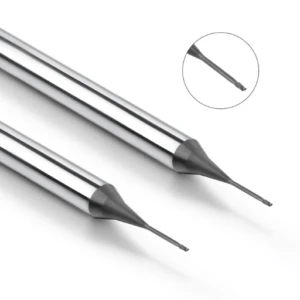
To prevent fragile vertical ribs from flexing or fracturing under dynamic cutting loads, programmers must lower localized tool engagement. Drastically reducing tool stick-out and using specialized micro-grain diamond cutters preserves sharp corner profiles down to the micron level. In this high-precision sector, process repeatability and harmonic control completely override the pursuit of fast cycle times.
Case Study: Graphite Electrode Machining for Complex Deep Cavities and Micro-structures
Milling multi-layered profiles with deep narrow channels and micro corner radii represents the ultimate challenge in mold making. The tightly confined spaces restrict cutter access, making efficient dust evacuation and tool deflection management incredibly difficult. Inadequate setup rigidity or sub-optimal toolpaths quickly trigger harmonic chatter, dimensional drift, and premature tool failure.
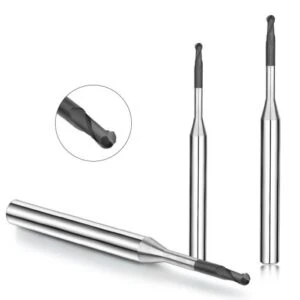
Conquering these deep-cavity geometries requires utilizing specialized tapered long-neck end mills and progressive high-speed peeling toolpaths. Maintaining a short tool stick-out ratio minimizes cutting errors and keeps the fragile margins of the micro-structures completely stable. Ultimately, implementing an integrated machining system determines the total throughput and quality performance of complex EDM molds.
How to Select a Supplier of Graphite Milling Cutters for EDM Electrode Machining
Achieving consistent results in graphite electrode machining requires more than just premium high-speed CNC milling machinery. In reality, persistent quality issues usually stem from a mismatch between cutting tool specifications, machining parameters, and supplier application knowledge. Therefore, progressive mold shops must prioritize tooling partners who deliver comprehensive technical application support rather than vendors who simply sell off-the-shelf catalog tools.
High-precision electrode milling demands cutters capable of withstanding extreme abrasive wear while maintaining flawless edge geometries in dusty environments. Procurement managers should evaluate potential suppliers based on their practical application expertise and long-term batch consistency. A premier tooling partner must fully grasp your specific shop-floor challenges and help optimize your entire high-speed milling system.
Key Performance Indicators for Graphite Cutting Tools
Evaluating performance metrics for graphite electrode machining requires looking beyond basic tool geometries or upfront cost-per-cutter. While volumetric wear resistance is vital, a tool with a durable substrate can still fail if its edge preparation causes excessive cutting forces. A comprehensive evaluation must analyze the underlying tungsten carbide grade, cutting edge sharpness, and diamond coating adhesion in unison.
For close-tolerance projects destined for precision EDM molds, finishing cutters must maintain strict dimensional tracking over extensive unmanned machining cycles. Minute variations in the tool’s nominal radius will corrupt the final spark-discharge gap and trigger manual electrode dressing. Consequently, verifying cutting tool capabilities through rigorous live test cuts is far more reliable than relying solely on catalog specs.
How Diamond Coated Graphite End Mills Reduce Machining Costs
Milling abrasive carbon grades with standard uncoated carbide cutters quickly triggers severe edge recession, leading to rapid dimensional drift. This forces operators to constantly perform manual offset adjustments and premature tool changes, driving up total production costs. Overcoming these expensive bottlenecks requires upgrading to specialized tooling geometries engineered specifically for abrasive dry milling environments.
Utilizing a premium diamond-coated graphite end mill stabilizes dynamic cutting forces and guarantees outstanding batch-to-batch repeatability for complex EDM molds. The ultra-hard diamond barrier drastically reduces tool wear, minimizing part scrappage and eliminating localized corner chipping. However, maximizing your return on investment requires precisely matching the coating thickness to optimized high-speed feeds and speeds.
Key Capabilities of a Professional Graphite Machining Tool Supplier
A premier tooling manufacturer must possess a deep understanding of the practical, real-world machining environments their customers operate in every day. Machine shops utilize a vast array of graphite grades, spindle harmonics, workholding fixtures, and dynamic toolpath strategies. Without extensive, on-site floor application experience, a vendor cannot provide effective technical recommendations when manufacturing bottlenecks occur.
Therefore, highly successful partnerships rely on a supplier’s ability to analyze machining feedback and continuously refine custom tooling solutions. They must guide your team on optimal parameter adjustments across the roughing, semi-finishing, and fine finishing stages. A reliable graphite cutting tool supplier behaves as a strategic technical resource, helping your shop establish a stable and highly profitable manufacturing workflow.
Achieving Efficient, High-Precision Graphite Electrode Machining with a Comprehensive System
Achieving flawless, repeatable results in graphite electrode machining requires a synchronized manufacturing ecosystem rather than reliance on a single piece of premium equipment. Final part accuracy depends on the seamless interplay between fine-grain material selection, balanced roughing-to-finishing sequences, and rigid workholding. For shops mass-producing complex electrode cavities, implementing an integrated graphite machining system is the only way to eliminate process variables and ensure downstream EDM stability.
If your tool room is experiencing costly bottlenecks, auditing your current workflow from a holistic perspective is critical. Evaluate whether your selected carbon grade matches the part geometry, and ensure your CNC parameters support efficient dust evacuation without sacrificing edge sharpness. True shop-floor efficiency is never determined by a single isolated milling operation, but by how effectively all structural details work in unison.
Summary of the Core Value of a Graphite Machining System
High-volume mold fabrication requires treating electrode production as a fully integrated process rather than an isolated CNC milling chore. A truly stable machining system aligns machine kinematics, spindle temperature control, optimized tooling databases, and automated inspection protocols. Standardizing these floor-shop variables guarantees sub-micron part repeatability across every single production shift.
When facing unexpected dimensional drift or unpredictable tool life, evaluating the complete machining ecosystem is far more effective than making hasty parameter adjustments. Many manufacturing defects blamed on machine tool inaccuracy are actually caused by improper tool matching, incorrect cutting sequences, or inadequate dust collection. Fixing these underlying root causes stabilizes your daily throughput and slashes manual electrode rework.
Recommendations on Choosing Between Standard Graphite Milling Cutters and Diamond Coated Graphite End Mills
Selecting the ideal cutting tool must be dictated by your specific electrode geometry and the corresponding milling stage. Heavy roughing passes prioritize aggressive volumetric removal rates and high core stability, while final finishing demands razor-sharp edge retention. Because the abrasive properties of carbon dust accelerate tool wear, a single un-coated tooling strategy cannot handle both sequences.
For close-tolerance geometries with deep slots or complex 3D surface profiles, prioritizing diamond coated graphite end mills is non-negotiable. The extreme hardness of a CVD diamond layer preserves the exact nominal cutter radius needed to maintain tight tolerance tracking. Combining these high-performance cutters with optimized high-speed parameters ensures flawless surface integrity for your high-precision EDM molds.
Building a Stable, High Efficiency EDM Graphite Machining Solution
The ultimate benchmark of an excellent milling strategy is delivering long-term, predictable process reliability across unattended shifts. Whether your shop specializes in large automotive body panels, medical inserts, or precision electronic connector tooling, each application demands tailored optimization. Cultivating a robust workflow requires a data-driven approach that balances cutting parameters directly with raw material specifications.
To eliminate quality fluctuations or accelerate your current cycle times, start by auditing your CAD/CAM part geometry and tooling matrices simultaneously. Analyzing these technical fundamentals allows engineers to pinpoint the true root causes of edge blowout and premature cutter degradation. Tailoring your graphite electrode machining parameters to your specific workshop environment is the ultimate way to secure a competitive edge in modern mold manufacturing.