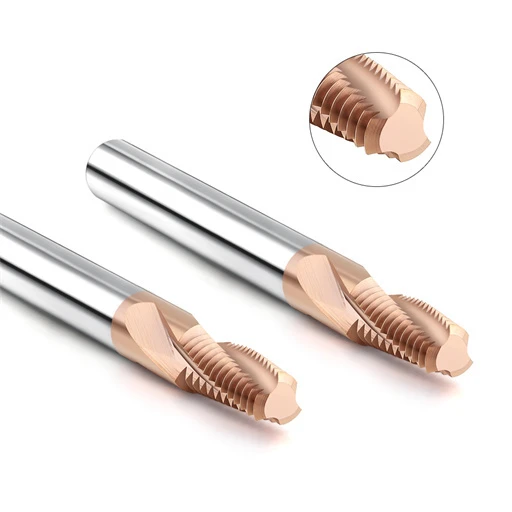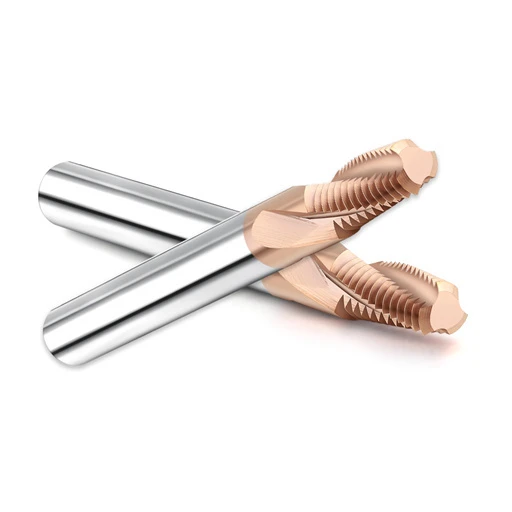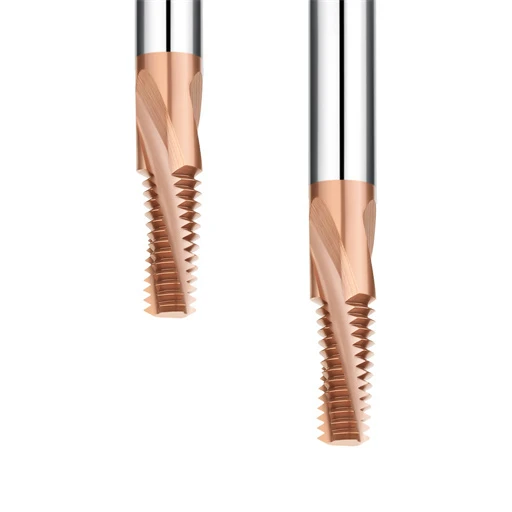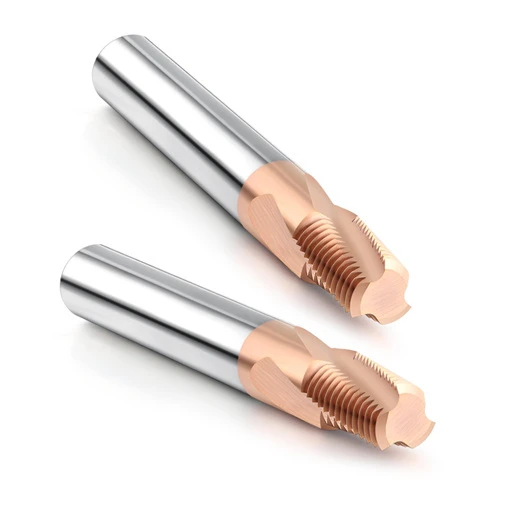
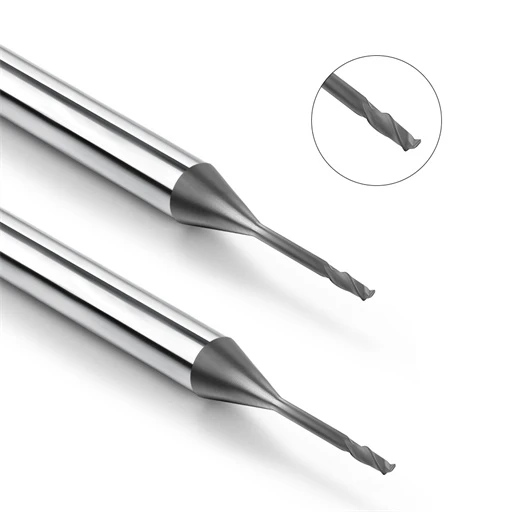
While supplying semiconductor equipment components, we recently tackled a critical project involving batch production of high-purity graphite parts for heat treatment equipment. Although the geometries were straightforward, maintaining consistent dimensional stability, clean edge integrity, and surface finish during continuous machining proved difficult. Standard cutting tools degraded rapidly, leading to frequent size drift and edge chipping during extended runs.
These challenges are common across semiconductor graphite machining projects. Critical semiconductor applications demand high thermal stability, ultra-low contamination, and tight dimensional tolerances. Consequently, successful manufacturing relies on process repeatability and long-term stability rather than just basic machining feasibility.
High-quality semiconductor graphite milling requires a holistic machining system rather than a simple tool change. Every variable—from material grain size and CNC cutting parameters to tool geometry and dust extraction—directly affects final component quality.
We develop custom graphite machining solutions tailored to each client’s specific graphite grade, part geometry, and production volume. Our engineers optimize roughing operations for maximum material removal rates, then fine-tune finishing passes to deliver superior surface smoothness and sub-micron accuracy.
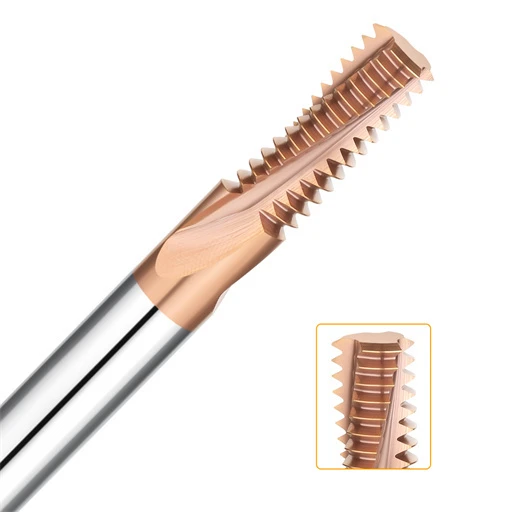
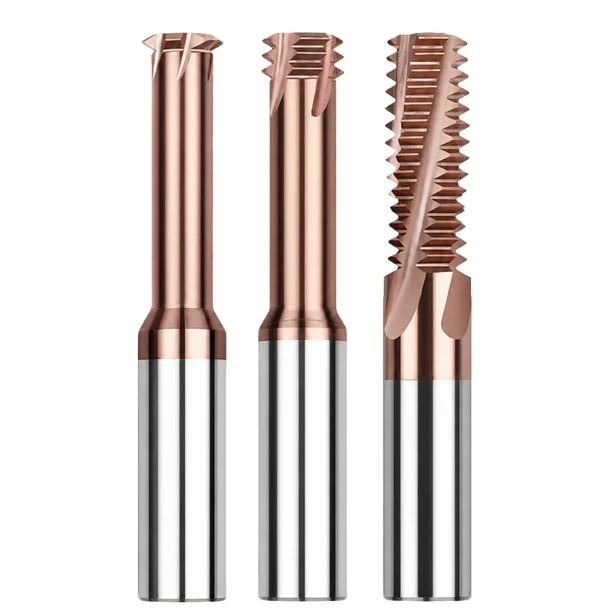
Tool selection determines your overall machining stability and component yield rates. Specialized graphite milling cutters require unique geometries, optimized rake angles, and diamond coatings to resist abrasive wear and prevent micro-chipping along delicate edges.
To reduce process fluctuations, we deploy premium wear-resistant tools that significantly extend tool life. Minimizing tool changes stabilizes thermal conditions, protects tight tolerances, and lowers overall operational costs during high-volume runs.
Building on years of hands-on shop-floor experience, we developed a systematic protocol covering tool selection, speed/feed optimization, and in-line quality control. Our main objective is helping clients build repeatable, high-yield manufacturing capabilities for complex graphite parts.
If your shop struggles with rapid tool wear, inconsistent surface finishes, or loose tolerances on semiconductor graphite components, standard fixes are not enough. It is time to audit your entire graphite machining system rather than just swapping out a worn milling cutter.
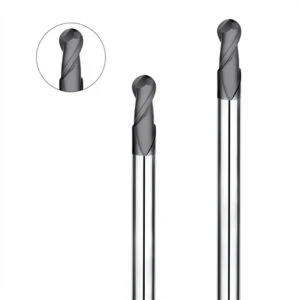
The Value of Semiconductor Graphite Machining in the Semiconductor Industry
In our CNC shop, semiconductor graphite machining is never just about cutting a shape; it is about delivering long-term dimensional stability. We recently worked on high-purity graphite carriers for heat treatment furnaces where early prototypes met specs, but full batch runs suffered from edge chipping and size drift. Our root-cause analysis revealed that success depended on aligning feeds, speeds, and tool selection, rather than blaming the material grade.
This experience highlights a common hurdle in semiconductor component production. Crucial parts like wafer carriers, heating elements, and furnace structural rings must endure intense thermal cycling and rigorous cleanliness standards. Machining providers must prioritize repeatable process stability over raw cutting speed, ensuring every graphite part performs reliably inside client equipment.
The Importance of Milling Semiconductor Graphite Parts for Equipment Manufacturing
When milling semiconductor graphite parts, equipment builders demand more than initial blueprint accuracy; they need consistent thermal and mechanical performance over thousands of operational hours. Critical components require high purity, superior thermal conductivity, and flawless structural integrity. Every micro-step in the milling process directly impacts final tool life and operational reliability.
We approach every job by balancing material properties, part geometry, and end-use environments. When milling thin-walled features or intricate contours, our engineers focus on controlling cutting forces, minimizing tool deflection, and protecting delicate edges. Balancing high material removal rates with gentle finishing passes guarantees the longevity expected by leading semiconductor manufacturers.
Requirements for Precision Machining of High-Purity Graphite Components
Machining high-purity graphite requires extra care because the material’s softness can be misleading. While fine-grained, high-purity grades offer lower cutting resistance, they demand exceptionally sharp cutting edges and ultra-stable CNC platforms to prevent subtle surface micro-fractures during finishing operations.
To guarantee tight tolerances, we apply a multi-stage precision graphite machining workflow tailored to each part’s geometry. Roughing passes relieve internal material stress, while light finishing passes maintain pristine edge integrity and sub-micron accuracy. This structured method prevents post-machining warping and keeps contamination levels low for sensitive fab environments.
How a Graphite Machining System Enhances Machining Stability for Semiconductor Graphite Parts
Achieving consistent quality on complex graphite parts requires a fully integrated production setup rather than a single upgraded tool. We frequently see shops upgrade to diamond-coated cutters, only to still suffer from dimension drift due to overlooked factors like inadequate dust management, improper tool pathing, or thermal expansion.
Solving persistent machining issues requires implementing a holistic graphite machining system. By standardizing tool selection, monitoring machine health, optimizing tool paths, and enforcing strict in-line inspection, we eliminate process variations during high-volume runs. Has your team ever struggled with process instability even after upgrading to high-end milling cutters?

Key Challenges in Machining Semiconductor Graphite Components
Precision manufacturing of semiconductor graphite components is rarely about whether a part can be cut, but whether dimensional accuracy remains stable across high-volume runs. On a recent batch of graphite support plates, initial prototypes passed inspection, but production runs suffered from bore position drift, edge micro-chipping, and inconsistent surface finishes. Our shop-floor root-cause analysis traced these defects to an uncalibrated mix of material brittleness, tool wear, cutting parameters, and ambient dust buildup.
High-purity graphite features a dense grain structure and high brittleness, generating fine abrasive dust during cutting. Chasing quick cycle times while ignoring process stability guarantees yield loss in mass production. We mitigate these risks using a holistic optimization framework that harmonizes material dynamics, tool path generation, and specialized milling cutters to meet the semiconductor industry’s rigid cleanliness and precision standards.
Controlling Machining Accuracy for High-Purity Graphite
Machining high-purity graphite presents a deceptive challenge because its relative softness can mask underlying structural sensitivities. The material’s micro-grain uniformity makes it vulnerable to minor cutting edge wear, spindle vibration, and poor allowance distribution. These micro-variations quickly translate into costly dimensional inaccuracies and scrapped parts.
To control tolerances, we execute a multi-stage cutting strategy. Heavy roughing passes remove bulk material without imparting thermal stress, while delicate finishing passes minimize cutting loads, control heat, and protect edge integrity. Incorporating in-process probe inspections allows us to make real-time offsets, ensuring every high-purity graphite component satisfies tight customer specifications.
Graphite Dust Control and Environmental Management in CNC Machining
Graphite dust management directly dictates machine health and part yield rates. We once investigated a precision line where high-end milling cutters failed prematurely because fine dust penetrated machine guideways and optical encoders, causing mechanical positioning errors. This case proved that shop-floor environmental control is just as critical as cutting parameter optimization.
We resolve dust issues by integrating high-cfm vacuum extraction systems, specialized machine enclosures, and optimized air-blast strategies directly into our CNC graphite machining setups. Rapid dust removal protects precision guideways and prevents fine particles from re-welding onto the part surface. Maintaining a clean cutting zone directly improves process capability and equipment lifespan.
Surface Quality and Dimensional Consistency in Graphite Finishing
While prototypes prove part design feasibility, long-term surface quality and batch consistency dictate final operational performance in fab environments. Semiconductor parts used in wafer carriers and thermal chambers require pristine surface finishes and flawless edge integrity to prevent localized thermal stress, particle shedding, and premature part failure.
We treat graphite finishing as a distinct process requiring dedicated tool geometries, light finish allowances, and smooth, continuous tool paths. Prioritizing uniform batch performance over single-part speed helps clients reduce assembly rework and extend component service life. Has your machine shop ever produced a flawless sample part, only to struggle with batch-to-batch consistency during full production?
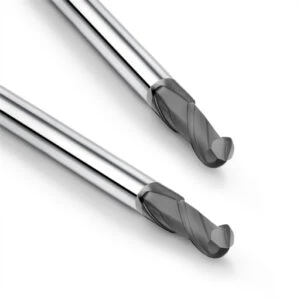
Building a Reliable Graphite Machining System for Semiconductor Graphite Parts Milling
In complex semiconductor projects, production bottlenecks rarely stem from a single flaw; they usually result from fragmented process planning. On a recent mass-production run of graphite structural components, initial samples were flawless, but scalable production quickly suffered from cycle-time variance, rapid tool wear, and size drift. Our root-cause analysis proved that tweaking one cutting parameter was not enough—we had to realign material dynamics, tool paths, and quality protocols into a single framework.
Consequently, we always establish a comprehensive graphite machining system before starting full-scale production. For semiconductor applications, a stable system integrates machine rigidity, custom cutting tools, dust extraction, dynamic parameter tuning, and quality feedback loops. This systematic approach ensures long-term process capability when milling various graphite grades and complex component geometries.
Optimizing CNC Graphite Machining Processes and Workflow Design
When machining high-purity graphite, maximizing removal speed without a structured strategy inevitably leads to part failure. We once evaluated a project where aggressive roughing parameters caused excessive tool deflection and uneven stock distribution, compromising final sizing. Redesigning the workflow into balanced roughing, semi-finishing, and finishing passes restored process control and eliminated dimensional drift.
Executing successful CNC graphite machining requires balancing spindle speeds, feeds, depth-of-cut, and real-time tool wear monitoring. We fine-tune these parameters based on specific graphite grain sizes and shore hardness. This structured process design reduces manufacturing variables, ensuring strict dimensional compliance across continuous production runs.
Enhancing Machining Capabilities for Complex Graphite Parts through Precision Milling
Semiconductor components frequently feature delicate geometry, such as thin walls, deep cavities, and tight-tolerance mounting pockets. The primary challenge is not bulk chip removal, but maintaining tool rigidity, damping vibration, and preventing micro-chipping in narrow features. Flawed toolpaths on high-end machine tools can still trigger catastrophic edge failure.
We overcome these geometry challenges through tailored precision graphite milling protocols. Engineers carefully select tool length-to-diameter ratios, optimize entry/exit strategies, and regulate cutting forces during final finishing passes. For complex graphite parts, selecting a toolpath strategy tailored to part geometry is far more effective than simply pushing faster feeds.
Precision Graphite Machining Solutions for Highly Reliable Results
In semiconductor manufacturing, real value lies in batch-to-batch repeatability rather than one lucky sample part. We develop customized machining frameworks—combining application-specific tooling, parameter tuning, and strict quality control—to meet unique fab requirements instead of relying on generic, off-the-shelf methods.
This continuous refinement forms our comprehensive precision graphite machining solution for high-specification parts. By closely tracking surface finishes, size hold, and wear patterns, we make data-driven adjustments that protect long-term yield. For manufacturers targeting zero-defect production, building a dedicated machining system delivers lasting value over quick temporary fixes. Are you ready to optimize your setup for better precision, efficiency, and batch consistency?
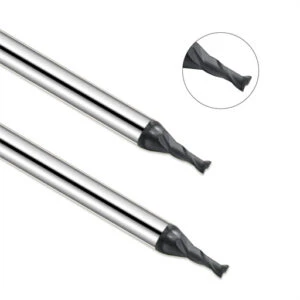
Selecting Graphite Milling Cutters for Semiconductor Graphite Machining
In precision CNC milling, tool selection defines the upper limit of process capability. We once audited a line where a client used standard carbide tools to produce high-purity graphite heat treatment components. While initial parts passed quality checks, rapid tool edge breakdown caused significant dimensional drift and edge chipping during extended finishing passes.
Succeeding in semiconductor graphite machining requires matching cutting tools directly to material grain structure, feature geometry, and operation type. When evaluating graphite milling cutters, our engineers analyze cutting edge geometry, chip flute volume, substrate toughness, and coating adhesion. A strategic tooling plan minimizes dimensional variance and boosts continuous spindle uptime.
The Impact of Graphite Milling Cutter Geometry on Machining Performance
Tool geometry directly dictates cutting forces and chip evacuation efficiency when milling abrasive graphite. On thin-walled or deep-cavity features, improper core thickness or flute design causes tool deflection, chatter, and micro-chipping along critical part edges.
When selecting graphite milling cutters, we optimize flute count, helix angle, and core rigidity for specific operations. Roughing cutters require open flutes for rapid chip removal, whereas finishing end mills demand maximum edge stability and stiffness. For high-purity graphite, selecting the correct cutter geometry delivers far better accuracy than simply increasing spindle speeds.
Extending Tool Life with Wear-Resistant Graphite Milling Tools
Abrasive tool wear is a primary cost driver in high-volume graphite machining. On one semiconductor job, rapid edge wear forced frequent tool offsets and tool changes, causing unwanted thermal cycles and dimensional inconsistencies. Upgrading to specialized wear-resistant graphite milling tools eliminated excessive downtime and stabilized key tolerances.
These specialized tools feature tough carbide substrates designed to withstand constant micro-impacts from graphite dust. We tailor our tooling strategy based on cavity depth, material hardness, and finishing allowances to prevent premature flank wear. Minimizing tool wear guarantees predictable tool life and maintains process capability across extended production runs.
Advantages of Diamond Coated Graphite End Mills in Semiconductor Graphite Machining
Semiconductor graphite components demand flawless surface finishes, tight tolerances, and zero edge burrs. Standard uncoated carbide cutters degrade too quickly under continuous abrasive wear, making it difficult to maintain tight tolerances across large batches.
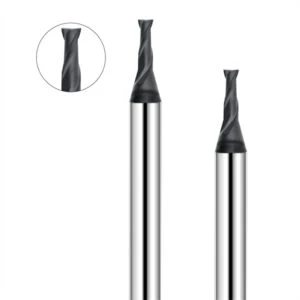
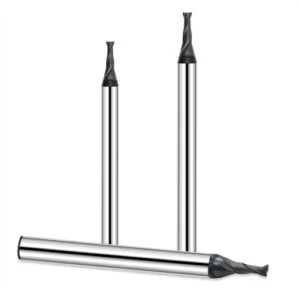
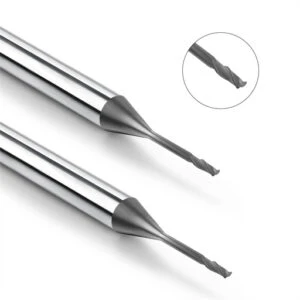
Deploying diamond coated graphite end mills drastically reduces cutting friction and protects edge sharpness over long machining cycles. The diamond layer resists abrasive wear, making these tools ideal for finishing passes on high-purity graphite wafer carriers and heating elements. To maximize their ROI, engineers must pair these high-end cutters with rigid tool holders and optimized feed rates. Has your shop ever struggled with part quality drift even after upgrading to diamond coated end mills?
Graphite Finishing Machining Optimizes the Quality of Semiconductor Graphite Parts
In semiconductor component manufacturing, the final finishing pass dictates whether a component survives real-world furnace conditions. We once audited a run of heat-treatment components where roughing went smoothly, but finishing operations revealed inconsistent surface roughness (Ra) and micro-edge defects. Root-cause analysis proved the issue was not material quality, but rather misaligned cutting allowances, worn tool edges, and unoptimized finishing speeds.
Consequently, we prioritize the graphite finishing machining stage across all manufacturing schedules. Critical semiconductor components demand tight tolerances, zero particle shedding, pristine edge integrity, and flawless batch consistency. By fine-tuning finishing toolpaths, controlling cutting loads, and conducting in-process probe measurements, we ensure every part achieves strict dimensional and surface compliance.
Graphite Precision Milling Achieves Micron-Level Accuracy
High-purity graphite parts used in semiconductor equipment—such as precision positioning fixtures and heating elements—require sub-micron accuracy and complex geometry. Although graphite cuts easily, its inherent brittleness means cutting force spikes can immediately cause edge chipping or dimensional drift.
We overcome these physical constraints through refined graphite precision milling techniques. Engineers adjust cutter diameters, finishing allowances, and stepover strategies while maintaining rigid machine spindle stability. For tight-tolerance semiconductor graphite parts, precision milling eliminates cumulative errors and guarantees seamless assembly in critical production equipment.
Graphite Finishing Machining Improves Surface Roughness and Edge Quality
In fab environments, part failures often stem from poor surface condition rather than loose dimensions. Minute surface defects or micro-burrs on wafer carriers and heat-treatment fixtures disrupt component seating and risk particle contamination. Therefore, controlling surface finish is a vital quality target during final machining passes.
Optimizing the graphite finishing machining process requires adjusting tool rake angles, reducing depth-of-cut, and smoothing directional transitions. Matching tool geometries to specific graphite grain structures eliminates edge chipping and uneven surface textures. This systematic refinement delivers superior surface roughness, protecting component yield and extending operational service life.
Optimizing Cutting Parameters to Boost Graphite Machining Efficiency
Chasing faster cycle times by simply cranking up spindle speeds and feed rates backfires when machining brittle graphite. Rapid feed rates increase tool wear, induce edge breakout, and generate excessive scrap during finishing passes. Achieving maximum productivity requires balancing cutting speed, tool life, and process stability.
Our engineers calibrate spindle speeds, feed-per-tooth, depth-of-cut, and air-blast cooling to maximize our complete graphite machining solution. Tailoring parameter sets to specific graphite grades protects cutting edges and reduces machining downtime. For semiconductor suppliers, true efficiency is not about absolute speed—it is about maintaining a stable, repeatable process that minimizes rework. Have you ever accelerated cutting speeds only to lose hours troubleshooting batch quality fluctuations?
How to Choose a Reliable Graphite Milling Cutter Supplier for Long-Term Machining Advantages
In semiconductor component manufacturing, selecting a tool vendor directly impacts overall shop-floor stability. We once assisted a client who initially purchased tools based solely on upfront unit price. Once mass production started, severe batch-to-batch tool life variations forced constant parameter tweaks, causing cycle-time delays and size drift. A comprehensive audit proved that long-term tool performance and vendor technical support matter far more than initial purchasing costs.
Partnering with a reliable graphite milling cutter supplier requires looking beyond basic catalog specs. We evaluate a supplier’s knowledge of material grades, custom tool design, and real-world CNC experience. Because semiconductor graphite components require tight long-term tolerances, trusted vendors must collaborate on custom geometries, optimized coatings, and process adjustments tailored to specific client applications.
Technical Capabilities Required of a Professional Graphite Milling Cutter Supplier
Top-tier tool vendors offer deep manufacturing knowledge alongside raw production capacity. Different high-purity graphite grades require specific tool diameters, helix angles, and diamond coating strategies based on part geometry. Vendors who lack real-world machining experience struggle to deliver tooling solutions that perform reliably on the shop floor.
When auditing a graphite milling cutter supplier, we inspect substrate quality, edge prep precision, coating adhesion, and engineering support. Semiconductor production demands strict consistency, clean edge retention, and continuous process capability. A vendor’s practical application expertise is ultimately more valuable than generic marketing claims or product catalogs.
The Impact of Wear-Resistant Graphite Milling Tools on Production Efficiency
Unplanned tool changeovers severely diminish production efficiency and overall equipment effectiveness (OEE). On one semiconductor production line, excessive tool wear forced frequent offsets, touch-offs, and part re-inspections, drastically lowering daily output. Upgrading to specialized wear-resistant graphite milling tools eliminated redundant setup checks and restored steady throughput.
Superior wear resistance prevents premature flank wear and edge breakdown, protecting dimensional tolerances over long unattended runs. While maximizing tool life is critical, engineers must balance cutting speeds, feed rates, and part specs to optimize the entire process. Matching the tool to the specific application yields the best balance of output and part precision.
Reducing Machining Costs through a Comprehensive Graphite Machining Solution
Cutting procurement costs on end mills often increases total manufacturing expenses. We routinely see shops select cheaper, lower-grade cutters, only to suffer from scrap parts, machine downtime, and increased rework. Focus should always center on total cost per part rather than initial tool purchase price.
We lower overall manufacturing costs by implementing an integrated graphite machining solution. Combining optimized tool paths, custom tooling, correct cutting parameters, and strict quality control minimizes hidden process risks and maximizes spindle uptime. For semiconductor graphite fabricators, choosing the right tool supplier builds a scalable, long-term process capability rather than just buying cutting tools. Have you found that process stability impacts your bottom line far more than individual tool price tags?
Achieving Reliable Semiconductor Graphite Parts Milling via a Graphite Machining System
Precision machining of semiconductor components is never about maxing out speed on a single pass; it requires connecting material science, optimized toolpaths, cutter selection, and strict quality control. Through our hands-on manufacturing projects, we have proven that systematic management is the only way to eliminate batch-to-batch dimensional drift, premature tool failure, and poor surface finishes.
A dependable graphite machining system for semiconductor graphite parts milling must adapt to specific shop-floor conditions rather than relying on generic templates. If you are machining high-purity components, evaluate your setup across material grade, part geometry, tight tolerances, and batch volume. Aligning custom tooling strategies with specific part needs—such as prioritizing edge retention over bulk removal—ensures repeatable success.
Summary of Semiconductor Graphite Machining Value
Semiconductor components must endure extreme furnace heat, rapid thermal cycles, and rigorous cleanliness requirements during operation. Consequently, process repeatability and shop-floor stability carry far more value than a single fast cycle time. Every step—from raw high-purity graphite prep to final finishing passes—directly impacts component performance inside fab equipment.
If you manufacture semiconductor components, inspect your current workflow for hidden bottlenecks like tool wear drift, finishing micro-cracks, or missing inline measurement data. Continuously optimizing your semiconductor graphite machining setup stabilizes total process yield, balances efficiency with precision, and minimizes costly production downtime.
Selection Framework for the Ideal Graphite Milling Cutter
In high-precision projects, we never select tools based solely on purchase price or catalog ratings. Instead, we evaluate material grain size, structural complexity, and specific operation goals. Roughing passes require aggressive chip removal and tool stiffness, whereas finishing passes demand maximum cutting edge stability, size hold, and pristine surface quality.
When selecting a graphite milling cutter for extended runs, compare core geometry, diamond coating quality, tool life test data, and edge retention under abrasive conditions. For continuous semiconductor production, steady cutter performance delivers far lower operating costs than temporary cutting speed boosts. Matching tool specs with process demands eliminates hidden setup and rework expenses.
Partnering with a Graphite Milling Cutter Supplier for a Precision Graphite Machining Solution
Long-term machining success relies on collaborative engineering between parts manufacturers and cutting tool suppliers. From initial tool geometry design and feed/speed tuning to real-world trial evaluation, a knowledgeable tooling partner helps resolve complex shop-floor issues that catalog tools simply cannot address.
If you are upgrading your semiconductor graphite production line, review your machine tools, material grades, blueprints, and current yield rates to ensure your setup is built for long-term production. Implementing a tailored precision graphite machining solution lowers trial-and-error costs while raising batch-to-batch consistency. If your shop faces rapid tool wear, dimensional variance, or complex part challenges, reach out to review your drawings and optimize your machining process together.