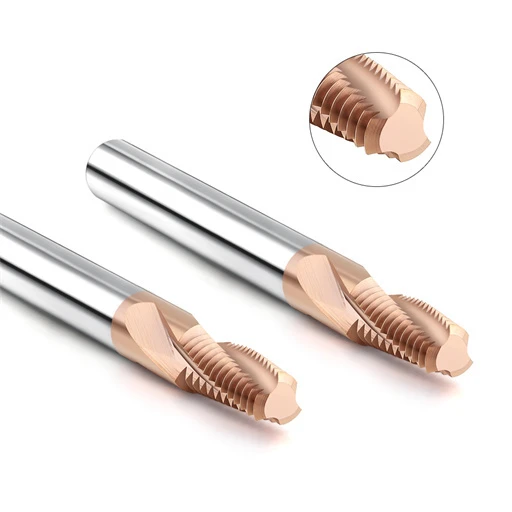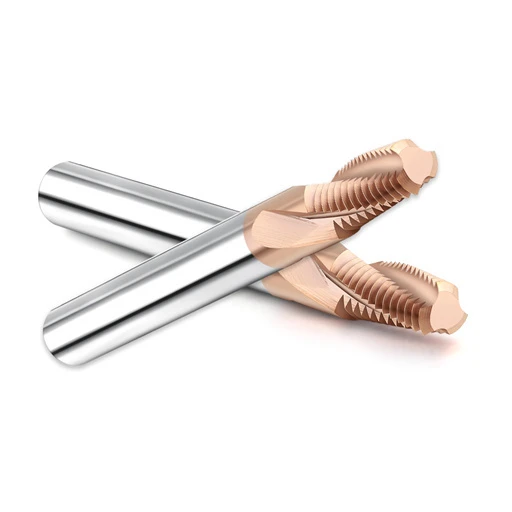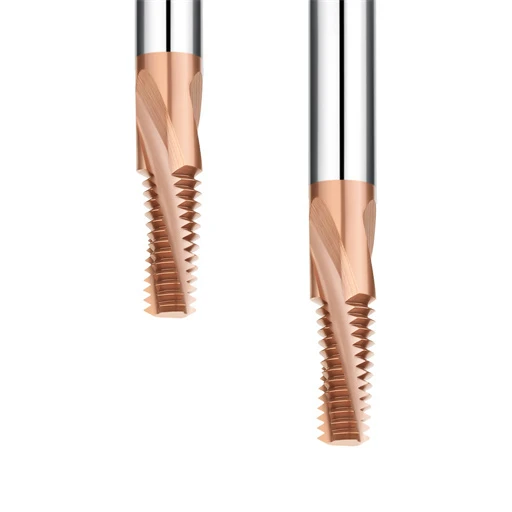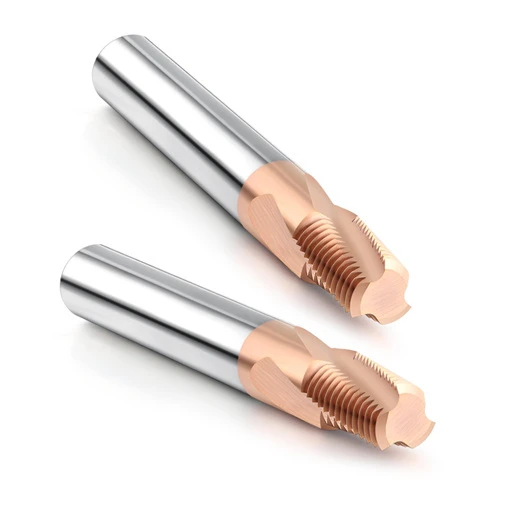
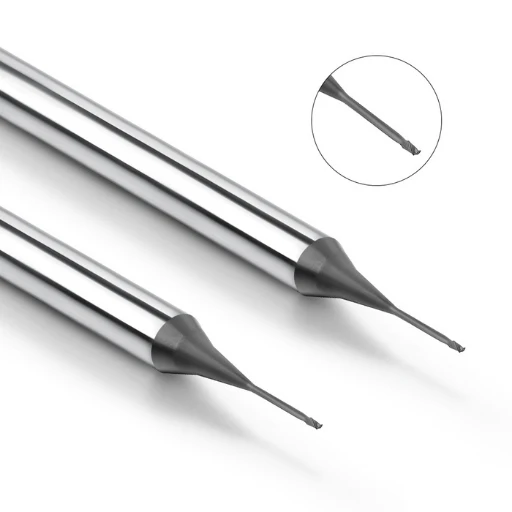
A few months ago, our shop took on a demanding EDM electrode job. The client’s purchasing team wanted to cut upfront costs by sourcing a cheaper carbide graphite end mill. On paper, slashing the initial purchase price looked like an instant win for shop margins.
Once spindle time added up, the real machining cost told a very different story. The budget tools wore down rapidly against the abrasive material, forcing frequent offsets and unexpected tool changes. Scrap rates climbed, cycle times dragged out, and the true cost per finished electrode ended up higher than running premium diamond-coated cutters.
Evaluating cutting tools requires looking beyond the sticker price on the box. In abrasive applications, your cost-effectiveness depends heavily on substrate grade, edge preparation, flute geometry, and specialized diamond coatings. A cheap cutter quickly drains profit if it cannot maintain dimensional tolerances across a full production shift.
Tool life, surface finish, and machine uptime dictate the true economic return of your tooling investment. Premium diamond-coated graphite end mills carry higher upfront prices, but they hold tight tolerances across hundreds of parts without chipping. That consistency cuts your scrap rate, eliminates mid-program tool swaps, and drastically reduces operator interventions.
Comparing cutting tools comes down to calculating your total machining cost per part. A budget cutter makes sense for rough prototypes, but volume production demands consistent tool wear and predictable cycle times. Match the tool’s coating thickness and geometry to your graphite grade, target tolerances, and batch sizes.
In this guide, we break down real-world shop data to compare graphite end mill price against actual shop-floor performance. We examine how tool wear patterns, cutting speeds, and diamond coatings impact your bottom line. By looking at total cost of ownership instead of unit price, you can select the most cost-effective cutting tool for your CNC operation.
Graphite End Mill Price vs Cost: Why Do Prices Vary?
When quoting graphite electrode jobs, we often see massive price spreads for cutters that look identical on paper. Customers frequently ask why one tool costs double another, but purchase price alone ignores the real machining environment. Your target graphite grade, part tolerances, and roughing versus finishing passes all dictate how much cutting stress a tool actually endures.
We evaluate every cutter based on total operational life rather than invoice price. The visible graphite end mill price represents only your upfront spend at the checkout counter. True machining efficiency comes down to parts per edge, required tool offsets, and cycle stability, which easily outweigh small differences in initial sticker price.
Key Factors Influencing Graphite End Mill Price
A cutter’s price tag reflects the precision of its entire manufacturing process, starting from the raw carbide rod. Sub-micron carbide grades, specialized edge hones, and precision flute grinds require tighter quality control, directly impacting base manufacturing costs. When adding a chemical vapor deposition diamond coating, layer thickness and adhesion quality become the main drivers of the final price.
We once helped a shop that burned through budget carbide while cutting dense isostatic graphite, destroying their profit margins in hours. Switching to an application-matched tool stopped the rapid abrasive wear and stabilized their process. Comparing tool quotes only works when you verify the underlying substrate, micro-geometry, and coating grade behind the graphite end mill price.
What Is the Difference Between Graphite End Mill Price and Graphite End Mill Cost?
On the shop floor, price is what you pay the distributor, while total cost includes every minute the spindle runs. A cheap cutter that wears down after three electrodes introduces hidden downtime for tool touch-offs, offset adjustments, and tool swaps. If inconsistent wear causes dimensional drift or chipping on an electrode rib, scrap costs quickly erase any initial savings.
A high-performance cutter demands a higher upfront investment but delivers predictable wear and longer runs without operator intervention. We calculate cost per part by dividing the tool price and associated machine overhead across the total finished electrodes. For volume production, minimizing your total graphite end mill cost always delivers better margins than chasing the lowest invoice price.
How Do Diameter, Flutes, Substrate, and Coating Affect Graphite End Mill Cost?
Tool diameter and flute count directly shape manufacturing costs and cutting dynamics. Micro-diameter cutters require extreme runout control and grinding precision, while larger tools consume more premium carbide rod stock. Selecting between two, three, or four flutes depends on graphite dust evacuation space rather than price, since packed flutes cause premature tool breakage.
Your substrate hardness and coating type determine whether a tool survives abrasive carbon dust. Uncoated micrograin carbide works fine for one-off graphite prototypes, but continuous batch runs demand genuine diamond layers to resist edge breakdown. Matching these structural specifications to your production volume prevents overpaying for unused performance while keeping your long-term graphite end mill cost predictable.
Graphite End Mill Performance: How to Evaluate Machining Quality
A cutter might produce clean ribs on its first cycle, but true shop performance is measured across entire production runs. In abrasive carbon milling, subtle flank wear quickly causes dimensional drift, corner chipping, and excessive dust buildup. We evaluate cutters by tracking tool wear progression, dimensional repeatability, and surface roughness from the first cut to the final part.
Evaluating cutting tools requires testing them under your actual shop conditions rather than relying solely on supplier catalog ratings. The same tool behaves differently in fine-grain isostatic carbon compared to coarse extruded grades. Validating a cutter requires running baseline tests on your machine tool to confirm that graphite end mill performance stays consistent across multi-hour cycles.
Which Metrics Should Be Prioritized for Graphite End Mill Performance?
The primary metric in electrode manufacturing is dimensional stability across complex geometries and thin ribs. We track flank wear progression, Ra surface roughness values, edge sharpness retention, and material removal rates per minute. If a cutter loses its corner radius prematurely, the operator must pause production to apply continuous offsets, which slows down the shop.
Maximizing productivity requires balancing aggressive cutting speeds with cutting edge stability. Ramping up feed rates to clear material faster sounds efficient, but excessive tool pressure easily chips delicate electrode details. Maintaining balanced speeds, chip loads, and stable tool engagement is the best strategy to maximize graphite end mill performance without risking scrapped workpieces.
How Does Graphite End Mill Tool Life Affect Actual Machining Costs?
In high-volume machining, premature tool wear creates hidden operational costs that destroy your project margins. Frequent tool swaps require stopping the spindle, cleaning the collet, running laser tool-setter cycles, and verifying datum points. Over a full shift, repeated setup pauses tie up machine capacity and multiply your labor cost per finished part.
We measure usable graphite end mill tool life in completed electrode features rather than theoretical bench minutes. The true end of a tool’s life occurs when wear begins compromising corner accuracy or surface finish tolerances. Tracking linear cut meters per tool under consistent speeds and feeds gives an accurate baseline to protect your production budget.
How Do Efficiency, Surface Quality, and Stability Interact?
Balancing roughing removal rates with pristine finishing passes requires distinct approaches to cutting tool dynamics. Heavy roughing demands high core rigidity to resist deflection under high-feed conditions, while fine finishing demands minimal spindle runout to prevent rib breakage. Pushing feed rates too hard during finishing passes causes chatter and micro-chipping along thin graphite walls.
Consistent cutting forces and effective vacuum dust evacuation are essential for maintaining stable, continuous machining. Extremely fine abrasive dust can pack flutes and accelerate edge erosion if the chip clearing path is compromised. Achieving dependable results requires running optimized graphite end mill cutting parameters that preserve sharp cutting edges while maintaining tight part tolerances.
Graphite End Mill Price vs Performance: Are Higher-Priced Cutters Worth It?
In precision machining, we never judge an end mill as simply cheap or expensive. During a recent high-volume electrode run, a client compared two cutters with vastly different invoice prices. While the budget tool cut well initially, abrasive wear quickly forced frequent stops, whereas the premium tool delivered rock-solid dimensional stability across the entire batch.
Comparing supplier quotes requires looking past the purchase order to evaluate spindle throughput. The real question is how many accurate parts a cutter produces before dimensional drift forces an offset. Balancing initial graphite end mill price against actual shop-floor reliability reveals the true value of your tooling investment.
How Should Graphite End Mill Price vs Performance Be Compared?
Head-to-head testing under identical shop conditions is the only reliable way to evaluate tooling. We run both cutters in the same graphite grade using identical spindle speeds, feed rates, step-overs, and depths of cut. Recording edge wear progression, cycle times, and finished dimensions provides a realistic comparison for shop-floor decision making.
An accurate comparison evaluates usable tool life, cutting efficiency, surface finish, and part tolerances over time. A cutter that cuts quickly on part one means nothing if rapid wear forces you to slow down feeds on part four. A genuine graphite end mill price vs. performance analysis balances cutting speed with long-term dimensional repeatability.
How Is the Cost-Performance Ratio of Graphite End Mills Calculated?
Calculating the true cost-performance ratio requires combining purchase price with total machine overhead. We measure the number of verified electrodes each cutter completes alongside the downtime required for tool swaps and laser touch-offs. If a tool costs twice as much but produces four times the parts without intervention, your cost per finished part drops significantly.
Batch size dictates whether premium tooling makes economic sense for your shop. For one-off prototypes, an extended tool life provides limited financial return since the cutter rarely wears out during the job. In continuous electrode manufacturing, the cost vs. performance of graphite end mill selections depends on eliminating spindle downtime and preventing scrap parts.
Why Can a Higher Tool Price Lower Overall Machining Costs?
Low-cost cutters often carry hidden expenses that surface during mass production. Worn tools require operators to halt machining, clean toolholders, reset touch-off probes, and run tedious manual part inspections. In contrast, premium tools hold size across long cycles, eliminating machine downtime and slashing scrap rates on tight-tolerance electrodes.
Higher tooling prices only pay off when your production environment demands extended endurance. Budget carbide remains practical for soft carbon roughing or low-volume prototypes where tool wear is negligible. However, running high-volume jobs with dialed-in graphite end mill cutting parameters proves that premium cutters quickly recover their upfront cost through sustained spindle uptime.
Cheap vs Premium Graphite End Mills: What’s the Difference?
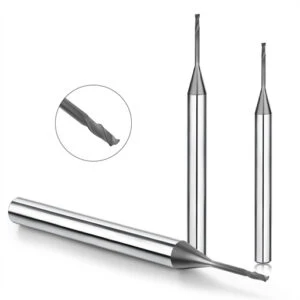
Two cutters might share the exact same outer dimensions on a tool sheet, but their shop-floor behavior diverges fast. Low-cost cutters often produce acceptable parts for the first thirty minutes, but rapid edge erosion quickly forces manual offset adjustments. In a recent production run, budget cutters accelerated edge wear mid-shift, requiring extra part inspections and slowing down machine throughput.
Evaluating tooling requires testing under your specific machining envelope, including carbon density, spindle rigidity, and roughing allowances. The real debate between cheap vs. premium graphite end mills is not just initial invoice cost, but long-term cycle predictability. Paying a premium only pays off if the tool delivers extended wear resistance, holds rib tolerances, and prevents operator downtime.
Key Performance Differences Between Cheap and Premium Graphite End Mills
Tool wear progression separates industrial-grade cutters from low-cost options once cutting hours accumulate. High-tier cutters rely on ultra-fine micrograin carbide substrates, precision edge hones, and uniform chemical vapor deposition diamond layers. In dense isostatic graphite, premium tools resist abrasive flaking, whereas cheaper cutters suffer micro-chipping along the outer corner radius.
Budget tools can handle soft, porous carbon blocks or fast roughing passes where surface finish is secondary. For fine finishing and thin-rib electrode milling, however, tool runout and cutting-edge integrity make or break the job. High-grade graphite end mill performance ensures crisp part corners, prevents workpiece blowout, and maintains tight dimensional stability across multiple shifts.
Do Low-Priced Graphite End Mills Really Lower Machining Costs?
One of our contract clients once bought budget tooling to reduce upfront tooling expenses across a large electrode order. The initial purchase orders looked economical, but machine spindles sat idle while operators constantly swapped worn cutters and touched off tools. Scrapped workpieces caused by chipped cutting edges ultimately wiped out the initial procurement savings.
Measuring the true cost-efficiency of a cutter requires dividing total machining expenses by finished, verified parts. Frequent tool changes introduce hidden setup costs, machine downtime, and dimensional drift that inflate your overall job expenses. When evaluating whether a low-priced graphite end mill is truly economical, look at your allocated tooling cost per part rather than the invoice discount.
When Are Premium Graphite End Mills More Cost-Effective?
High-performance cutters deliver the strongest return on investment during continuous, unattended lights-out manufacturing runs. They excel in abrasive, high-density graphite grades, deep-pocket electrode designs, and operations requiring tight dimensional repeatability. The higher purchase price is easily justified when the cutter runs three to five times longer without human intervention.
Cycle time reduction also plays a major role in overall shop profitability. High-performance cutters can maintain aggressive feed rates without deflecting, trimming crucial minutes off every electrode cycle. Matching your production volume and part tolerances to premium graphite end mills ensures your shop captures higher spindle uptime and lower final part costs.

Graphite End Mill Tool Life: How Does Tool Life Determine Actual Cost?
In electrode production, usable cutting life reveals a cutter’s true value far better than its purchase order. On a recent multi-cavity mold job, a client started with budget tooling that cut well on early cycles. As part counts climbed, rapid abrasive wear forced constant radius offsets and mid-shift swaps, turning a perceived discount into costly production delays.
Evaluating a cutter requires tracking when machining stability degrades rather than running the tool until catastrophic failure. We log finished electrode counts alongside the point where flank wear compromises rib tolerances or surface finish. Linking reliable output to machine uptime proves that graphite end mill tool life serves as the true foundation of cost analysis.
What Factors Affect Graphite End Mill Tool Life?
Usable cutting life varies across setups because abrasive wear depends on material density, cutting geometry, and machine rigidity. High-density, fine-grain isostatic carbon accelerates abrasive flank wear much faster than coarse extruded blocks. Spindle runout, excessive tool overhang, and overly aggressive step-overs further multiply cutting forces and degrade the cutting edge.
When tool longevity drops between machine cells, the tool itself is rarely the only variable to investigate. We inspect spindle taper runout, holder clamping torque, dust vacuum velocity, and actual programmed feed per tooth. Effective dust extraction prevents recutting abrasive carbon particles, preserving graphite end mill tool life under demanding production schedules.
How Does Graphite End Mill Tool Wear Increase the Cost per Machined Part?
Tool wear begins draining shop margins long before the cutter completely fails in the cut. A dulling corner radius pushes tool pressure upward, which introduces chatter, rounds off crisp corners, and triggers workpiece blowout. Operators often slow feed rates to protect delicate ribs, adding unbudgeted cycle time to every single part.
Calculating the financial impact of worn tooling requires tallying downtime, labor rates, and scrap risks. Frequent cutter replacements demand spindle pauses for touch-offs, test cuts, and manual CMM checks. In volume production, premature graphite end mill tool wear compounds cycle delays and drives up the final cost per finished electrode.
How Can Tool Life Be Used to Compare the Price-to-Performance Ratio?
Validating tool economy requires running head-to-head trials under identical CNC programs, graphite grades, and machine setups. We record the total linear meters cut, dimensional deviations, and the exact number of finished cavities per tool. This empirical shop data proves whether a costlier cutter delivers a lower net tooling cost per part.
A premium cutter easily pays for itself if it finishes three times more electrodes without operator intervention. If your shop only machines quick one-off prototypes, an extended lifespan provides minimal return on investment. Assessing graphite end mill price vs performance ultimately means measuring reliable finished output against total spindle runtime rather than comparing catalog prices.
Graphite End Mill Cutting Parameters: How Do They Affect Price and Performance?
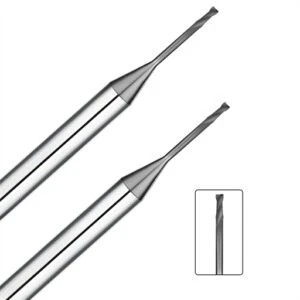
Tool life and cycle stability vary wildly between machine shops using the exact same cutter. A client once reported severe flank wear after just two shifts, but their machine logs revealed cutting loads far beyond recommended limits. Dialing back the step-over and balancing spindle speed with chip load immediately stabilized the edge and tripled total output.
Blindly copying manufacturer speeds and feeds often creates severe shop-floor bottlenecks. Variables like carbon density, grain structure, and tool overhang dictate how aggressively you can cut. Dialing in dialed-in graphite end mill cutting parameters establishes a dependable baseline that maximizes spindle uptime and preserves tool margins.
How Do Cutting Parameters Affect Graphite End Mill Tool Life?
Spindle speed, chip load per tooth, and depths of cut act as an interdependent system on the tool edge. Running feed rates too low creates rubbing and severe abrasive friction, while feeding too hard overloads cutting tips. In fine-grain carbon, excessive chip load causes rapid edge chipping that destroys cutting geometry prematurely.
When tool wear outpaces expectations, check the entire machining envelope before blaming the cutter. Toolholder runout, excessive gauge length, and weak fixture clamping amplify cutting deflection and accelerate wear. Establishing balanced graphite end mill tool life targets requires prioritizing stable chip formation over pushing individual cutting values to extremes.
How Do Speed, Feed, and Cut Depth Influence Performance?
Surface speed and chip load must scale together to maintain proper shearing mechanics in brittle carbon. Increasing spindle RPM without adjusting table feed alters chip thickness, while pushing feeds too aggressively spikes cutting pressure. Axial depth and radial step-over determine cutting edge contact area, requiring dedicated strategies for roughing versus finishing passes.
Roughing cycles require maximum material removal rates and ample dust evacuation space to prevent recutting debris. Finishing passes demand minimal spindle runout, light radial cuts, and vibration-free toolpaths to protect thin electrode walls. Maintaining peak graphite end mill performance means dialing in stable cutting windows rather than chasing peak numbers that risk tool failure.
Why Do Incorrect Cutting Parameters Increase Graphite End Mill Costs?
Overly aggressive cutting parameters often shorten cycle times on paper while destroying project profitability. Forcing tools beyond their mechanical limits triggers rapid wear, micro-chipping, and frequent machine stoppages for tool changes. The resulting scrap parts, re-machining passes, and operator intervention quickly inflate actual production expenses.
Conversely, overly timid cutting data unnecessarily ties up spindle capacity and increases machine-hour overhead. True machining efficiency requires balancing metal removal rates with predictable edge durability. Optimizing your cutting strategy minimizes machine downtime, reduces scrap, and keeps long-term graphite end mill costs under strict control.
Diamond Coated End Mills for Graphite – Are They Worth the Higher Price?
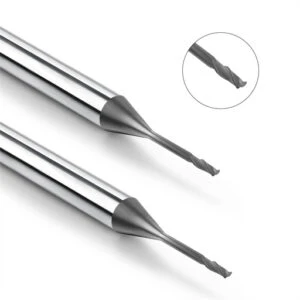
When machinists see quotes for diamond-coated tooling, the immediate reaction is often sticker shock. While two cutters look identical in the holder, abrasive carbon dust quickly exposes the massive gap in flank wear resistance. In high-density isostatic graphite, a proper coating preserves sharp cutting edges long after untreated tools dull and lose tolerance.
Recommending diamond tooling depends strictly on production volume, carbon hardness, and required rib tolerances. Standard carbide tools work well for short prototype runs or non-critical roughing passes where wear is negligible. For lights-out production, running diamond coated end mills for graphite slashes tool swaps and lowers the final cost per finished part.
Why Do Diamond Coated End Mills for Graphite Cost More?
The higher price tag reflects the complex chemistry and precision grinding required to bond diamond to tungsten carbide. Manufacturers rely on hot-filament chambers to grow real microcrystalline or nanocrystalline diamond films across the flute profile. Achieving consistent layer thickness while maintaining razor-sharp cutting edges demands rigorous substrate preparation and tight process controls.
Batch-to-batch consistency also drives manufacturing overhead, ensuring every cutter behaves identically in your spindle. Flaking coatings or inconsistent edge hones force unexpected offset tweaks, defeating the purpose of premium tooling. Investing in proven diamond-coated end mills for graphite guarantees the substrate adhesion and edge retention needed for automated manufacturing.
How Do Diamond Coatings Improve Tool Life and Machining Performance?
Uncoated carbide struggles against the extreme abrasiveness of synthetic carbon, suffering rapid flank wear and corner breakdown. A specialized diamond matrix provides extreme surface hardness, preventing cutting forces from abrading the underlying carbide edge. Under stable cutting conditions, these wear-resistant coatings keep your tool running clean across hundreds of continuous parts.
Even the best coating will chip prematurely if pushed with improper cutting speeds, excessive overhang, or heavy runout. Dialing in appropriate speeds, feeds, and chip extraction is critical to protect the diamond layer against micro-impacts. Maximizing the service life of a diamond-coated end mill for graphite requires pairing superior tooling with rigid setups and optimized chip evacuation.
Choosing Between Diamond Coated and Standard Carbide Cutters
Carbide end mills remain an economical choice for simple setups, small prototype runs, or general roughing passes. When total machine runtime is short, paying a premium for extreme wear resistance rarely yields a measurable return on investment. If a job only requires cutting two quick electrodes, standard uncoated tools complete the work at a lower initial cost.
High-volume mold runs, thin-rib electrodes, and abrasive carbon grades heavily favor advanced diamond tooling. Extended edge retention eliminates mid-program tool swaps, preserves rib dimensions, and prevents scrapped electrodes due to tool push-off. In continuous production cells, selecting a diamond-coated graphite end mill reduces your overall cost per part by maximizing spindle uptime.
Custom Graphite End Mill Manufacturer: How to Choose Tools for Your Shop
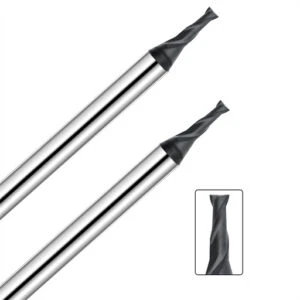
Standard catalog cutters cannot solve every complex graphite electrode geometry. High-density carbon grades, micro-cavities, and deep-reach rib designs often expose the limits of off-the-shelf tooling. When cycle times stall or tool deflection causes part taper, partnering with an experienced custom graphite end mill manufacturer helps tailor flute profiles, neck lengths, and core thickness to your exact machine setup.
Evaluating tooling proposals requires analyzing your internal machine logs rather than comparing basic line-item prices. Track your average parts per tool, tool change downtime, scrap rates, and final cost per electrode. If catalog tools cause ongoing bottlenecks, sharing this shop-floor data with a tooling engineer determines whether custom cutter geometries will lower your net manufacturing costs.
When Do You Need a Custom Graphite End Mill?
We never recommend custom tooling for standard planar roughing or generic shallow pockets. Custom tooling becomes necessary when catalog reaches cause excessive vibration, or when standard flute lengths force toolholders into tight workpiece features. Specialty geometries, like tapered-rib cutters and step tools, combine multiple passes into a single cycle, eliminating secondary operations and cutter swaps.
If your shop battles persistent micro-chipping, poor floor finishes, or rib deflection, identify the root physical constraint. Modifying helix angles, flute counts, and corner radii directly resolves high cutting pressures that snap fragile graphite walls. In volume production, investing in a custom graphite end mill pays for itself whenever a single tool eliminates dedicated finishing setups.
Balancing Price, Performance, and Tool Life on Custom Tools
Engineering a custom cutter requires balancing substrate hardness, edge preparation, and coating thickness against your budget. High-speed roughing requires strong core rigidity and open flutes for chip clearance, while micro-finishing demands ultra-low runout and razor-sharp edge hone consistency. Attempting to maximize every performance metric simultaneously inflates custom grinding costs without delivering practical floor value.
Identify your shop’s primary cost driver before finalizing a custom specification sheet. Pinpoint whether your main issue is cycle duration, frequent tool replacement pauses, or high part scrap rates. Designing your custom graphite end mill around those specific production bottlenecks ensures that the added manufacturing investment translates into measurable spindle uptime.
How to Choose a Reliable Custom Tooling Partner
Vetting a tooling partner requires looking beyond basic grinding capabilities to evaluate their graphite machining expertise. A trustworthy supplier discusses carbon grain sizes, vacuum evacuation paths, and machine spindle rigidity before suggesting a flute geometry. They should analyze worn tool samples and explain the physical wear mechanisms rather than just quoting from a drawing.
Ask potential suppliers technical questions directly tied to your daily production challenges. Confirm their tolerances for shank runout, core concentricity, and specialized edge preps for diamond adhesion. A reputable custom graphite end mill manufacturer offers actionable design feedback and tweaks tool profiles based on your cutting trial results.
Getting an Accurate Quote Based on Application Data
Submitting a generic request for a custom tool quote leads to guesswork and inaccurate pricing. An experienced grinding house needs your exact graphite grade, target depth of cut, corner radius tolerances, and step-over requirements. Providing details about your current tool wear patterns helps engineers select the ideal substrate hardness and relief angles.
Send your part print alongside your target spindle RPM, table feed limits, and toolholder interface. Including your typical abrasive dust extraction setup and coolant or air-blast method ensures proper coating and flute recommendations. Providing detailed operational parameters allows a custom graphite end mill manufacturer to deliver an accurate quote that solves your machining challenge on the first run.
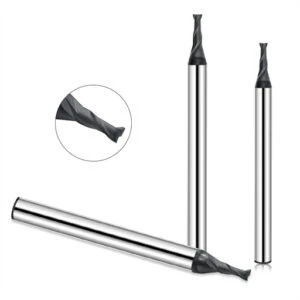
FAQ: Graphite End Mill Price vs. Performance
Tool procurement decisions should align with real shop-floor data rather than catalog list prices. This FAQ bypasses generic marketing specs to answer the critical questions machinists and buyers ask when optimizing electrode milling operations.
Our answers reflect hands-on CNC experience across diverse graphite grades, tolerances, and batch sizes. Use these insights to accurately weigh upfront tooling spend against machine uptime, tool life, and final part cost.
What Is the Typical Price of a Graphite End Mill?
Tooling prices range widely based on micrograin carbide grades, grinding tolerances, and diamond coatings. Standard uncoated carbide tools cost significantly less up front, whereas thick-film diamond cutters command premium prices due to complex manufacturing processes.
To get an accurate graphite end mill price quote, provide your specific tool diameter, reach, graphite grade, and batch volume. Quoting tools without your specific machining context makes it impossible to determine actual manufacturing costs.
Is a More Expensive Graphite End Mill Worth the Cost?
A higher invoice price pays off only when your production volume demands continuous spindle uptime. For single prototype electrodes or general roughing, an economical cutter completes the job without wasting money on unused tool endurance.
In mass production, however, paying a higher graphite end mill price delivers multi-shift edge retention and minimal tool swaps. The resulting scrap reduction and uninterrupted spindle time quickly offset the initial purchase premium.
What Factors Affect the Cost of Graphite End Mills?
Substrate purity, specialized edge hones, flute relief geometries, and diamond coating thickness directly dictate the manufacturing price. Operational expenses depend on abrasive flank wear, tool-offset frequency, machine downtime, and unexpected scrap rates.
Purchase price represents only a fraction of total machining expenses. Calculating your true graphite end mill cost requires tracking total finished, verified electrodes per cutting edge rather than the upfront invoice total.
How Long Does a Graphite End Mill Last?
Usable cutting life depends on carbon density, grain structure, spindle runout, and programmed chip loads. We track tool life by linear meters cut or total finished electrodes rather than spindle minutes.
The true end of graphite end mill tool life occurs when flank wear causes dimensional drift, corner breakdown, or rib chipping. Benchmarking this failure point under production conditions gives an accurate measure of tooling value.
Is a Diamond-Coated End Mill for Graphite Worth the Higher Price?
Specialized diamond layers provide extreme hardness that resists the abrasive nature of fine-grain isostatic carbon. In volume production, this wear resistance eliminates mid-program tool swaps and prevents out-of-spec electrode ribs.
For small prototype batches or non-critical roughing, budget carbide remains the practical choice. Investing in a diamond-coated end mill for graphite makes financial sense when tool life extension directly lowers your cost per part.
How Do I Choose the Best Graphite End Mill for the Money?
Start by evaluating your graphite material density, part tolerances, and required surface finish. Compare cutters by calculating total machine cycle time, required tool change intervals, and finished parts per tool.
Choosing the right graphite end mill requires balancing upfront cutter cost against verified machining performance. The most economical tool holds tight tolerances consistently without demanding constant operator offsets or causing scrap.
Can a Custom Graphite End Mill Manufacturer Reduce Machining Costs?
Custom tools combine multiple step cuts, optimize reach, and control corner radii to solve deep-pocket and thin-rib bottlenecks. While standard tools work well for planar geometries, specialized cutters eliminate secondary setups on complex electrode designs.
Partnering with an experienced custom graphite end mill manufacturer helps you tailor core rigidity, helix angles, and coatings to your machine. Sharing workpiece prints and cutting parameters ensures the custom design lowers your overall production cost.