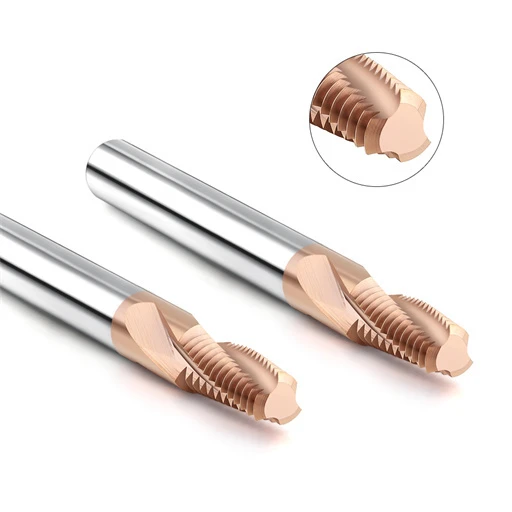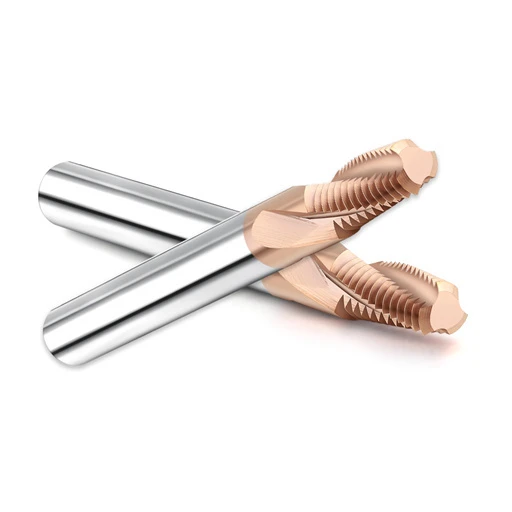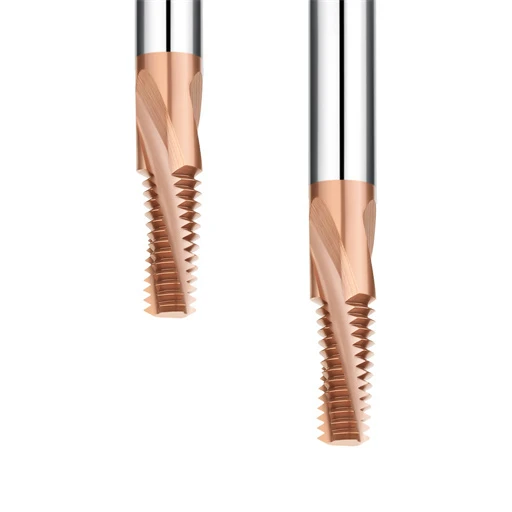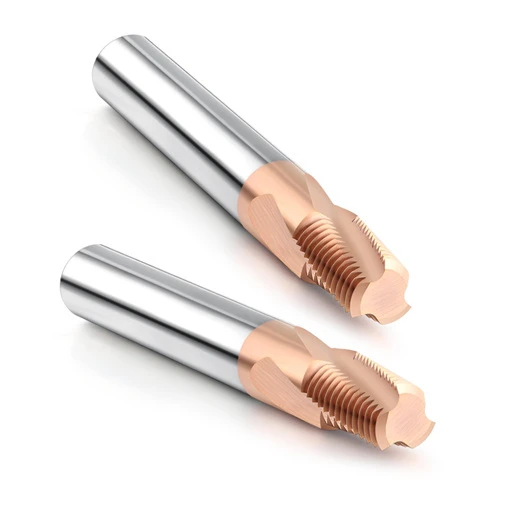
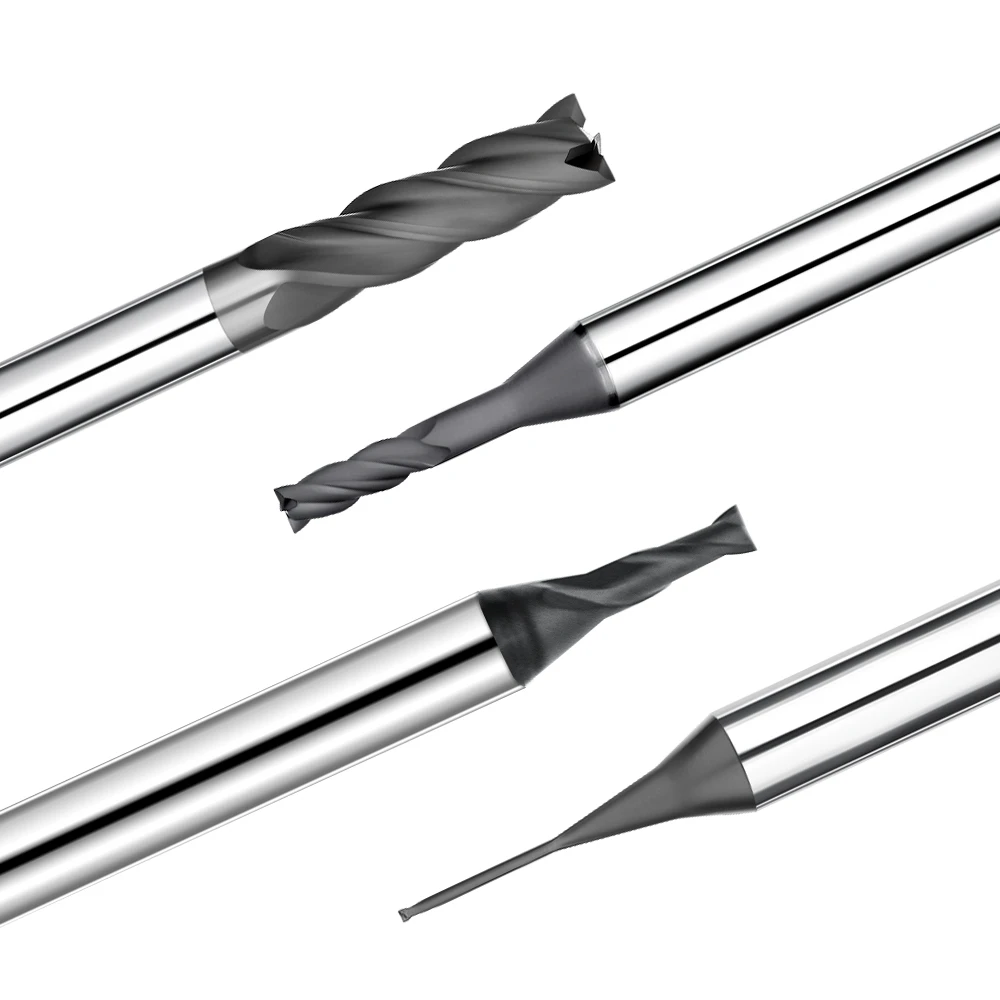
We recently handled a graphite electrode machining project. The client was using standard carbide end mills. While initial workpieces were acceptable, tool wear accelerated as volume increased. Edge chipping and minor surface defects soon appeared. The client tried different tool specifications, but problems persisted. Some tools offered good wear resistance but poor efficiency, while others achieved great surface quality without consistent tool life.
This is a recurring challenge in practical graphite machining. Often, the issue is uncertainty regarding selection criteria. Factors like graphite density, grain size, machining characteristics, and operations alter operating conditions. Relying solely on tool diameter, flute count, or price often leads to mismatched tooling.
We evaluate a combination of factors for graphite cutting tools. These include material properties, machining stages, cutting loads, and wear resistance requirements. Roughing operations prioritize removal efficiency and tool stability. Finishing operations focus on edge integrity, dimensional consistency, and surface quality.
For high-density graphite, diamond-coated end mills for graphite often outperform standard uncoated carbide tools. Conversely, diamond-coated tools are not a universal solution for all applications. Variations in tool size, flute count, and geometry directly impact machining rigidity and chip evacuation.
Holistic evaluation is essential for ideal graphite end mill tool life. Selecting the right graphite cutting tools depends on matching materials, tasks, and coatings. The ideal roughing and finishing end mills for graphite differ based on specific project requirements.
Drawing on our practical experience, we analyze how to select the right graphite cutting tools, end mills, and diamond-coated tools. We examine factors influencing tool wear, machining quality, and service life. Choosing a tool best suited to specific operating conditions matters more than simply buying a more expensive tool.
Graphite Cutting Tool Selection: How to Choose the Right Tool for CNC Graphite Machining?
When undertaking graphite machining projects, we rarely ask clients about flute counts or tool diameters first. Instead, we examine the workpiece, graphite material density, grain structure, and final surface requirements. Because graphite is brittle and generates fine dust, tool wear and edge chipping depend on both material properties and operating conditions.
Effective graphite cutting tool selection requires a holistic approach rather than just comparing price or hardness. We evaluate tool material, edge geometry, flute design, and machining stages based on actual project needs. Matching the right graphite cutting tools to specific operating conditions ensures optimal efficiency and consistent tool life.
Why is graphite cutting tool selection more critical than selecting tools for standard materials?
A client machining graphite electrodes initially used standard carbide end mills for roughing. While dimensional control seemed acceptable, edge wear accelerated rapidly as production volume increased. The client assumed a more wear-resistant tool would fix the issue, but wear persisted without adjusting tool dimensions and machining parameters.
Graphite dust subjects the cutting edge to continuous abrasive wear, leading to edge chipping and localized fracturing. For high-density graphite and precision graphite electrodes, we prioritize wear resistance and cutting edge stability over maximum cutting speeds. Monitoring specific tool wear patterns remains vital for long-term machining success.
What factors should be considered when selecting graphite cutting tools?
We first clarify fundamental questions regarding graphite grades, density, grain size, and whether the task involves roughing or finishing. Details like machining depth, thin walls, and narrow slots determine the ideal tool diameter, flute count, substrate material, and coating requirements.
Tool condition inspection after machining guides our future graphite cutting tools adjustments. If tip chipping occurs, we modify edge geometry and cutting loads, whereas general wear points to coating and material selection. Balancing roughing stability with finishing edge retention ensures reliable tool performance across all production stages.
The Relationship Between Graphite Grade, Machining Method, and Tool Selection
Different graphite grades feature unique densities, grain sizes, and microstructures that alter material removal dynamics and tool wear rates. If a tool fails on a new graphite grade, we analyze the material properties before concluding the tool itself is defective.
Machining methods dictate whether roughing prioritizes removal efficiency or finishing focuses on surface integrity. For high-density graphite projects, diamond-coated end mills for graphite provide superior durability. Aligning graphite grade, machining methods, and tool selection guarantees optimal machining results for every application.

Comprehensive Guide to Choosing the Right Graphite End Mills for CNC Machining
Selecting graphite end mills goes far beyond matching basic dimensions from a client blueprint. In complex projects involving deep, narrow slots, initial tool selections often fail due to unexpected chip evacuation issues and rapid cutting edge wear. To ensure machining stability, evaluate tool material, flute count, flute geometry, cutting edge design, and tool dimensions holistically rather than adjusting processes afterward.
Because graphite is exceptionally abrasive, tools face constant edge dulling, micro-chipping, and loss of dimensional accuracy during continuous production. Assessing the specific machining task first allows engineers to determine the ideal tool structure. This proactive strategy ensures long-term reliability, minimizes unexpected downtime, and guarantees superior surface finishes across diverse graphite electrode applications.
Selecting the Ideal Material for Graphite End Mills
Carbide tools and diamond-coated options represent the two most common choices for graphite machining projects. Carbide end mills remain practical for low-volume tasks and limited cutting loads where initial tooling costs must be carefully managed. However, high-density graphite materials demand diamond-coated tools to withstand severe abrasive wear over extended production cycles.
Balancing coating performance against actual project requirements prevents unnecessary tooling expenditures. Small parts with shallow slotting rarely justify premium diamond coatings, whereas batch processing of high-density graphite electrodes relies heavily on advanced coatings to maintain cutting edges. Evaluating real-world wear patterns helps finalize the most cost-effective and durable material solution.
Optimizing Flute Count and Geometry for Graphite Machining
Increasing flute counts to boost efficiency often backfires when machining graphite due to restricted particle evacuation. While multi-flute tools seem advantageous, fine graphite dust requires ample chip space to prevent clogging and tool breakage in deep cavities. Flute geometry and chip clearance must be prioritized equally alongside the raw number of cutting edges.
Roughing operations require robust flute designs that facilitate rapid material removal and stable chip evacuation. Conversely, finishing passes benefit from increased flute counts to enhance cutting continuity and achieve superior surface quality. Verifying chip clearance paths prevents recurring friction from trapped graphite debris during deep-slot milling operations.
Mastering Cutting Edge Geometry and Tool Rigidity
Cutting edge shape, helix angles, core thickness, and rake angles directly influence cutting dynamics at the tool-graphite interface. Insufficient rigidity or improper edge profiles frequently cause chipping when machining thin-walled graphite electrodes. Even minor edge wear during finishing operations can rapidly compromise overall dimensional accuracy and surface integrity.
Evaluating tool geometry specifically for narrow slots, deep cavities, or thin-walled structures ensures optimal rigidity and chip evacuation. Tools with identical substrates exhibit vastly different wear patterns when subjected to varying geometric configurations. Conducting strategic test cuts remains essential for validating optimal edge geometry in demanding real-world applications.
Determining the Correct Graphite End Mill Size
Selecting the smallest available diameter for narrow slots often compromises tool rigidity and shortens service life. A balanced approach requires working backward from specific machining features, slot widths, and required depths. Adjusting toolpaths and machining allowances alongside diameter selection ensures the tool maintains optimal rigidity throughout operation.
Balancing rigidity and accessibility prevents premature tool failure while handling complex workpiece geometries. Small-diameter end mills access intricate features but demand strict control over cutting loads and overhang lengths. Choosing the largest feasible diameter maximizes structural stability and guarantees consistent machining performance across all graphite components.
Diamond Coated End Mills for Graphite vs. Carbide End Mills for Graphite
Selecting between diamond coated and carbide tools for graphite machining projects requires evaluating complete lifecycle performance rather than initial cutting capability alone. Uncoated carbide end mills often exhibit rapid edge wear during continuous graphite electrode production, leading to frequent machine downtime. Assessing cumulative machining capacity, dimensional consistency, and surface degradation over time ensures optimal tool selection for demanding shop floor environments.
Focusing exclusively on upfront tooling costs frequently obscures total production efficiency and part quality. High-density graphite materials, extended production cycles, and strict tolerance requirements demand robust diamond coated end mills for graphite applications. Balancing these operational variables helps engineering teams establish reliable tool-change intervals and maximize overall machining productivity.
When Should You Choose a Diamond Coated End Mill for Graphite?
Prioritizing diamond-coated end mills for graphite is essential when processing high-density materials, managing long machining cycles, or handling high-volume production batches. Cumulative downtime and frequent re-zeroing associated with standard carbide tools quickly inflate real-world operating expenses. Evaluating actual cutting loads and total part volume ensures coatings deliver a measurable return on investment.
Small-batch runs, shallow pocketing, or short machining times rarely justify the higher expense of diamond-coated tooling. Validating tool performance through controlled test cuts confirms whether specialized coatings provide genuine efficiency gains. Matching tool specifications to specific project requirements prevents unnecessary tooling expenditures without compromising final part quality.
What Are the Advantages of Diamond-Coated Graphite End Mills?
Diamond coatings protect the cutting edge against the severe abrasive wear generated by fine graphite particles during milling operations. Standard carbide end mills frequently suffer from rapid edge dulling, micro-chipping, and localized failure under continuous heavy loads. Premium coatings enhance wear resistance, preserving structural integrity and dimensional stability throughout extended service lives.
Coating adhesion, edge retention, and substrate hardness dictate overall performance during high-speed graphite machining. However, advanced coatings cannot compensate for excessive overhang, incorrect tool dimensions, or improper cutting parameters. Evaluating diamond-coated graphite end mills as part of an integrated machining system guarantees predictable, high-precision results.
When Should You Choose Carbide End Mills for Graphite?
Carbide end mills remain an economical choice for low-volume projects, shallow slotting tasks, and operations with limited cutting depths. When total operating times are short, initial procurement savings outweigh the extended longevity provided by expensive diamond coatings. Managing upfront expenses effectively without sacrificing workpiece quality preserves profit margins on specialized jobs.
Selecting carbide end mills for graphite requires analyzing substrate hardness, edge condition, and expected wear rates. Upgrading to coated alternatives becomes necessary only when accelerated tool wear disrupts production schedules or compromises dimensional tolerances. Tracking actual tool life metrics helps shops determine the precise threshold for switching tooling technologies.
How Do You Choose Between Diamond Coated and Uncoated Graphite End Mills?
Comparative testing using identical material grades, toolpaths, and cutting parameters reveals true performance trends across different end mill types. Tracking edge degradation, dimensional drift, and surface finish metrics over extended runs provides actionable data for process optimization. Prioritizing empirical shop-floor data over manufacturer claims eliminates guesswork in tool selection.
Short-run production prioritizes minimizing initial tooling costs, whereas long-run manufacturing demands stability and predictable tool life. Adopting diamond-coated graphite end mills resolves productivity bottlenecks caused by frequent tool changes and dimensional compensation adjustments. Matching the tool to the specific operational scale ensures maximum efficiency and consistent graphite machining quality.
How to Choose a Graphite Roughing End Mill?
Selecting graphite roughing end mills requires balancing high material removal rates with structural stability during aggressive stock-removal tasks. Large machining allowances on graphite blanks often tempt operators to maximize feeds and speeds, which frequently triggers premature edge chipping or severe abrasive wear. Tool rigidity, chip evacuation pathways, and the accumulation of graphite dust dictate roughing success far more than raw cutting speed alone.
Evaluating total material volume first allows engineers to select a robust graphite roughing end mill capable of withstanding heavy cutting loads. Deep cavities, thin walls, and complex geometries demand careful adjustments to maintain edge integrity over extended production cycles. Establishing a stable roughing strategy ensures efficient stock removal while preserving optimal tool life for subsequent finishing passes.
For Which Machining Scenarios Are Graphite Roughing End Mills Suitable?
Graphite roughing end mills excel in high-allowance milling operations where large volumes of stock must be cleared efficiently from raw blanks. Using finishing tools for initial stock removal causes rapid thermal degradation and extreme edge wear under heavy cutting loads. Deploying specialized roughing geometry quickly establishes the primary profile and protects delicate cutting edges.
Deep cavity milling and extensive material reduction in graphite electrode production rely heavily on dedicated roughing end mills to maintain process stability. Adequate flute space prevents fine graphite dust from compacting inside deep pockets, eliminating secondary friction and thermal shock. Careful management of tool overhang during roughing prevents catastrophic tool breakage in narrow features.
What Tool Parameters Should Be Prioritized for Graphite Roughing End Mills?
Core thickness, helix angles, flute count, and overall tool diameter represent critical parameters when optimizing graphite roughing end mills for abrasive environments. Multi-flute designs can restrict chip clearance, making optimized two- or three-flute geometries superior for clearing dense graphite particle accumulation. Prioritizing ample chip evacuation space prevents dust packing and significantly extends operational lifespan.
Controlling axial and radial depths of cut alongside feed rates prevents excessive deflection during aggressive graphite roughing operations. Excessive overhang severely compromises rigidity, introducing harmonic vibrations that accelerate micro-chipping along the cutting edge. Verifying tool clamping security and effective cutting length ensures maximum structural stability before increasing spindle speeds.
How Do You Balance Material Removal Rate (MRR) and Tool Life for Graphite Roughing End Mills?
Maximizing the material removal rate without monitoring graphite roughing end mill tool life often leads to diminished productivity due to constant tool changes. Pushing feed rates past optimal thresholds accelerates flank wear, erasing time gains through frequent machine recalibration and unplanned downtime. A balanced approach optimizes chip load per tooth to sustain a predictable, stable wear progression.
Evaluating tool performance based on total volume removed rather than raw machining time provides a realistic measure of overall efficiency. When tool life degrades prematurely, adjusting substrates, coatings, and cutting parameters restores profitability to high-volume graphite manufacturing. Achieving an optimal balance between MRR, tool wear, and part cost delivers sustainable shop-floor performance.
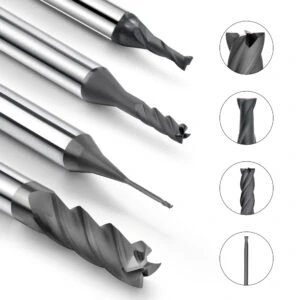
How to Choose a Graphite Finishing End Mill?
Finishing graphite components requires prioritizing final dimensional accuracy, contour integrity, and surface quality over material removal rates. Unlike roughing operations, finishing flaws such as localized micro-chipping often stem from subtle tool wear, improper overhang, or flawed toolpaths rather than excessive stock allowance. Balancing tool rigidity and edge preservation ensures consistent surface finishes across demanding electrode applications.
Assessing the required final tolerances and surface finish first allows engineers to select the optimal graphite finishing end mill for precision tasks. Standard structural components permit cost-effective tooling choices, whereas intricate cavities and complex contours demand superior edge retention. Minimizing residual error during the final pass guarantees predictable component quality and eliminates costly rework.
For Which Finishing Scenarios Are Graphite Finishing End Mills Suitable?
Graphite finishing end mills perform best when deployed after roughing operations have removed the bulk of the material. Leaving a consistent, uniform stock allowance ensures the finishing tool handles predictable cutting loads rather than absorbing heavy volumetric pressure. This phased approach prevents premature edge breakdown on delicate sidewalls, small fillets, and complex geometries.
Thin-walled electrodes and narrow slots demand rigorous control over tool diameter and overhang length to eliminate vibration defects. While small-diameter tools access intricate features, their limited rigidity increases the risk of surface chatter and edge chipping. Prioritizing structural stability over minimum tool size guarantees flawless contour replication in precision graphite machining.
How Do You Select a Graphite Finishing End Mill Based on Surface Finish Requirements?
Evaluating surface quality requires monitoring tool wear, machining marks, and edge integrity across extended production runs rather than single-part samples. Initial surface finishes often degrade as micro-wear dulls the cutting edge during continuous batch production. Compensating for wear solely by altering feed rates rarely solves underlying stability issues.
Achieving superior surface finishes depends heavily on tool geometry, radial runout, and maintaining optimal remaining allowances. Selecting a graphite finishing end mill with exceptional edge retention ensures consistent surface quality from the first part to the last. Maintaining a sharp, stable cutting edge delivers superior results compared to pushing cutting parameters beyond safe operational limits.
Are Diamond Coated Graphite End Mills Suitable for Precision Graphite Machining?
Diamond-coated tools excel in precision graphite machining by maintaining critical edge retention and dimensional stability over extended production cycles. Fine graphite particles rapidly dull uncoated substrates, causing dimensional drift on subsequent workpieces despite initial success. Premium diamond coatings mitigate this abrasive wear, making them ideal for high-density electrode manufacturing.
Coating benefits disappear quickly if excessive tool overhang, unreasonable cutting allowances, or machine runout compromise the setup. Evaluating diamond-coated options requires analyzing the complete machining system, including machine rigidity and tool geometry. Validating performance through sustained real-world testing ensures these advanced tools deliver maximum precision and long-term cost efficiency.
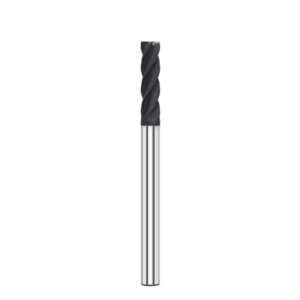
How Do You Assess Graphite End Mill Wear and Tool Life?
Evaluating graphite end mill wear requires monitoring changes throughout the entire service cycle rather than tracking hours alone. Edge dulling and micro-chipping develop gradually, eventually compromising dimensional stability and surface finish long before catastrophic failure occurs. Tracking cumulative performance prevents costly part rework caused by running tools past their optimal lifespan.
Comprehensive assessment involves analyzing abrasive wear, coating degradation, cutting loads, and tool overhang simultaneously. A tool reaches its functional limit when it fails to meet strict part tolerances or surface quality requirements. Establishing data-driven replacement criteria ensures consistent manufacturing quality across high-volume graphite electrode production.
What Are the Primary Causes of Graphite End Mill Wear?
Continuous abrasive friction from fine graphite dust represents the primary driver of tool wear during machining operations. As abrasive particles sweep through the cutting zone, cutting edges gradually round off and lose their sharpness. High cutting loads, excessive tool overhang, and restricted chip evacuation further accelerate this degradation process.
Beyond material abrasiveness, suboptimal tool geometry and aggressive cutting parameters place destructive stress on the cutting edge. Selecting incorrect tool diameters or pushing feeds beyond safe limits induces micro-chipping and premature failure. Addressing rigidity and dust evacuation alongside tool selection minimizes overall wear progression.
How Do You Identify Graphite End Mill Wear?
Inspecting workpiece dimensions, surface textures, and machining cycle times reveals tool wear long before visual inspection becomes effective. Drifting tolerances, increased roughness, or unexpected processing delays signal that the cutting edge has degraded. Tracking these subtle indicators prevents out-of-spec production on precision graphite components.
Direct examination of the cutting edge using shop-floor microscopy identifies localized nicks, dulling, and coating breakdown. Correlating visual tool wear with finished part quality establishes precise metrics for determining the optimal replacement window. Continuous monitoring provides reliable data for scheduling proactive tool changes.
How Does Diamond Coating Affect Graphite End Mill Tool Life?
Diamond-coated end mills significantly enhance wear resistance when machining highly abrasive graphite materials over extended production cycles. The hard coating protects the underlying carbide substrate from the constant erosive impact of fine carbon particles. However, actual diamond coated graphite end mill tool life depends heavily on coating adhesion, substrate quality, and overall setup rigidity.
While advanced coatings extend service intervals, they cannot overcome fundamental process issues like excessive overhang or incorrect cutting parameters. Evaluating diamond-coated tools requires verifying post-processing dimensional stability and edge retention across real-world test batches. Balancing coating performance with proper machining conditions maximizes total return on investment.
How Can Graphite End Mill Tool Life Be Extended?
Optimizing the entire machining system frequently resolves premature tool wear without requiring immediate upgrades to expensive tooling. Adjusting tool clamping to minimize overhang, refining cutting paths, and ensuring efficient dust extraction dramatically improve stability. Addressing root environmental causes protects cutting edges from unnecessary mechanical stress and thermal shock.
Extending graphite end mill tool life relies on matching substrate specifications to graphite grades and maintaining clean machining zones. Keeping detailed logs that correlate part counts with wear patterns helps engineers establish rational tool-change intervals. Proactive system tuning guarantees predictable performance and lowers overall manufacturing costs.
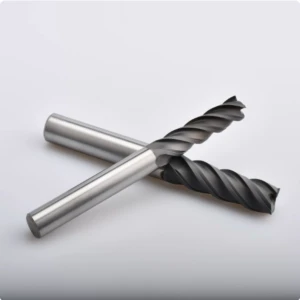
How to Choose Graphite End Mill Sizes?
Choosing a graphite end mill size based solely on the minimum slot width shown on a drawing often leads to machining errors. Although a tool might physically fit into a tight feature, issues like insufficient rigidity and excessive overhang cause rapid tip wear and micro-chipping. Successful electrode manufacturing requires looking beyond simple clearance to ensure true structural stability.
When evaluating graphite end mill sizes, balance slot width, machining depth, overhang length, and workpiece geometry simultaneously. We recommend working backward from specific features to determine optimal diameters for roughing and finishing operations. Proper sizing ensures predictable cutting loads, reduces abrasive wear, and guarantees superior surface finishes.
How do you select a graphite end mill size based on machining depth?
Deep cavity machining of graphite electrodes frequently presents challenges where cavity width matches the tool, but effective cutting length falls short. Simply increasing tool overhang to gain reach reduces rigidity, triggering chatter marks, dimensional drift, and edge chipping. Engineers must carefully analyze the relationship between tool diameter, flute length, and toolpaths.
For deep milling tasks, verify actual cutting depth and keep tool overhang to an absolute minimum through layered machining passes. Whenever part geometry permits, deploy larger-diameter roughing tools first before switching to slender tools for fine detailing. This phased approach maintains maximum rigidity and prevents premature tool failure during extended cycles.
How do you select graphite end mill sizes based on slot width and machining features?
Selecting tool diameters for intricate graphite electrodes demands careful attention to narrow slots, tight internal radii, thin walls, and complex contours. Relying solely on slot width minus a small clearance margin ignores critical factors like material removal volume and side loads. Comprehensive evaluation of both depth and stock allowance prevents catastrophic tool breakage.
Precision cavities benefit greatly from a multi-stage tooling strategy that pairs bulk stock removal with dedicated fine-detail machining. While small-diameter tools provide essential access to tight corners, they are highly sensitive to spindle runout and cutting loads. Prioritizing robust tool performance over single-tool convenience ensures consistent dimensional accuracy across complex features.
How do you choose between small and large graphite end mills?
Relying exclusively on small-diameter end mills for an entire complex electrode project drastically increases machining time and accelerates tool wear across expanded areas. Splitting the workload between robust roughing tools and specialized detailing end mills yields vastly superior efficiency. Matching the tool scale to the specific operational zone maximizes overall shop productivity.
Evaluating small and large graphite end mills requires treating accessibility and bending rigidity as distinct performance metrics. Large-diameter options deliver exceptional material removal rates and structural stability, while small tools conquer tight radii and fine pockets. Assigning specific tasks based on geometry rather than convenience ensures optimal tool life.
How do graphite end mill sizes affect rigidity, precision, and tool life?
Tool diameter directly dictates bending rigidity, with small-diameter cutters being highly susceptible to deflection and vibration under long overhangs. These microscopic deflections degrade surface finishes and cause gradual dimensional drift during critical finishing passes. Controlling cutting loads and overhang lengths is vital for maintaining tight tolerances on graphite components.
Selecting graphite end mill sizes involves balancing reachability, structural rigidity, precision retention, and tool wear characteristics. Larger diameters are not always optimal if they cannot access intricate features, just as tiny tools do not guarantee superior accuracy. The ideal size strikes a practical balance between stability and accessibility for long-term reliability.
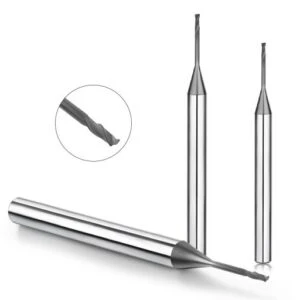
Graphite Cutting Tool Selection Guide: How to Choose the Right Tool for Different Machining Needs?
Real-world CNC projects prove that a single tool specification cannot handle every graphite machining challenge. Using a universal approach often triggers edge chipping or surface streaking when transitioning from roughing to finishing passes. Following a comprehensive graphite cutting tools selection guide ensures tasks are properly categorized by material density, stock allowance, and machining stages.
Engineers must evaluate tool geometry, substrate material, rigidity, and expected tool life simultaneously rather than relying on guesswork. High-density graphite components and delicate electrodes demand distinct tooling strategies to maintain dimensional accuracy and surface integrity. Assessing these variables upfront prevents unexpected tool failure and eliminates costly shop-floor downtime.
How to Choose a Graphite Cutting Tool for High-Density Graphite?
Processing high-density graphite introduces severe abrasive wear that rapidly degrades standard carbide edges during continuous production. Monitoring performance trends across initial test cuts reveals whether an upgrade to specialized tooling is strictly necessary. Selecting the ideal graphite cutting tool for high density graphite depends heavily on balancing initial costs with long-term wear resistance.
Pushing cutting parameters without accounting for material hardness frequently causes premature micro-chipping and catastrophic tool failure. Operators should evaluate coating integrity, edge retention, and actual cutting loads before finalizing high-density machining parameters. Real-world empirical data always overrides manufacturer claims when selecting abrasion-resistant substrates.
How to Choose a Graphite End Mill for Graphite Electrode Machining?
Graphite electrode manufacturing requires strict adherence to tight tolerances, sharp corners, and deep cavity profiles. Attempting to execute bulk removal and fine contouring with a single tool accelerates wear and compromises overall dimensional stability. Deploying a specialized graphite end mill for graphite electrode machining solves these complex geometric challenges effectively.
A phased multi-tool strategy separates heavy stock removal from delicate profile finishing to protect fragile cutting edges. Larger-diameter tools clear bulk material quickly, while slender end mills handle narrow slots and small internal radii. This structured approach preserves edge integrity and guarantees consistent electrode profile accuracy across batch runs.
How do you select graphite end mills for roughing, semi-finishing, and finishing?
Transitioning workpieces from raw graphite blanks to final dimensions requires a carefully coordinated multi-stage workflow. Roughing operations focus on maximum material removal rate, requiring high rigidity and efficient chip evacuation channels. Implementing a reliable graphite end mills solution for roughing, semi-finishing and finishing prevents excessive thermal shock and mechanical stress.
Semi-finishing stabilizes the remaining stock allowance to create predictable conditions for final surface profiling. The finishing stage then prioritizes edge sharpness, precise dimensional control, and superior surface texture over raw cutting speed. Segmenting the machining process this way protects finishing tools from premature wear and ensures optimal component quality.
How do you select diamond-coated end mills for high-precision graphite machining?
High-precision graphite components demand exceptional dimensional stability over extended, continuous production runs. Initial surface results can be deceiving if rapid abrasive wear causes severe contour drift during later machining cycles. Testing a specialized diamond coated end mill for graphite ensures long-term edge retention and reliable tolerance control.
Advanced coatings cannot compensate for fundamental setup errors like excessive tool overhang or machine runout. Engineers must evaluate substrate quality, coating adhesion, and spindle rigidity as parts of a unified machining system. Validating tool performance through controlled shop-floor trials guarantees optimal precision and maximum production efficiency.
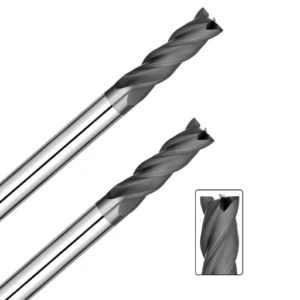
SAMHO Diamond-Coated Graphite End Mill Manufacturer
Selecting cutting tools requires evaluating specific operating parameters rather than relying on product names alone. Graphite density, machining stages, tool dimensions, and overhang lengths directly dictate final machining success. Establishing clear project parameters prevents premature tool failure and ensures optimal shop-floor performance.
Partnering with a reliable SAMHO diamond coated graphite end mill manufacturer begins with analyzing your exact workpiece specifications and machining challenges. Providing detailed material grades and drawing requirements allows engineers to recommend tailored tooling solutions. This structured approach eliminates guesswork and guarantees superior dimensional stability for demanding applications.
Why Choose SAMHO Diamond-Coated Graphite End Mills?
Evaluating advanced tooling requires analyzing cutting edge condition and wear resistance across extended production runs. High-density graphite manufacturing demands exceptional wear resistance to maintain strict tolerances and minimize machine downtime. Assessing cumulative lifecycle performance ensures maximum value for high-volume electrode production.
Testing SAMHO diamond-coated graphite end mills under actual shop-floor conditions resolves persistent productivity bottlenecks like rapid tool wear. Low-volume tasks may favor standard carbide options, whereas continuous batch runs benefit greatly from premium diamond coatings. Empirical test cuts remain the most reliable method for verifying tooling performance.
How does SAMHO determine the right tooling solution for graphite machining?
Tool selection involves a systematic review of material density, machining stages, and geometric features. Balancing tool substrate, flute count, and coating requirements prevents premature edge breakdown during aggressive machining. This holistic evaluation identifies the root causes of wear before finalizing any modification.
Sharing detailed cutting parameters, current tool specifications, and existing performance issues accelerates the troubleshooting process. Diagnosing factors like spindle runout and tool rigidity ensures that tooling upgrades deliver measurable improvements. Expert technical support aligns tool structure directly with your specific operational environment.
SAMHO Graphite End Mill Sizes and Customization Capabilities
Mismatched tool dimensions frequently cause excessive chatter, deflection, and premature micro-chipping during deep cavity milling. Small diameters provide necessary access to intricate features, but require careful management of overhang and cutting loads. Balancing accessibility and structural rigidity is vital for successful complex contouring.
Customizing SAMHO graphite end mills to match precise slot widths and machining depths eliminates common drawing-stage errors. Adjusting effective flute lengths and shank diameters secures optimal performance in narrow slots and thin-walled structures. Verifying tool geometry against project drawings ensures reliable, chatter-free operation.
How do you select the right SAMHO graphite end mill for CNC graphite machining?
Finalizing your tooling strategy requires reviewing the complete machining workflow from roughing stock removal to final finishing passes. High-density graphite projects demand superior wear resistance, while intricate contours prioritize cutting edge rigidity. Matching the tool to the specific operational phase guarantees consistent surface quality.
Evaluating your application against proven CNC machining criteria identifies whether adjustments are needed in tool geometry or coating specs. Providing comprehensive project details enables precise recommendations for your next SAMHO diamond-coated graphite end mill implementation. Practical testing on actual workpieces delivers the most dependable long-term manufacturing results.
FAQ: Selecting Graphite Cutting Tools
Selecting optimal graphite cutting tools requires evaluating material compatibility, machining stages, tool geometry, and expected tool life. No single specification fits every application, making a systematic assessment essential for consistent manufacturing results.
Analyzing specific blueprints, graphite density, and actual wear patterns ensures precise tool selection. Balancing these critical operational variables eliminates guesswork and maximizes shop-floor efficiency.
What is the Best Graphite Cutting Tool?
No single design serves as the absolute best graphite cutting tool across every manufacturing scenario. High-density materials and long production runs demand advanced diamond-coated options for superior wear resistance.
Carbide alternatives remain practical for short-cycle, low-load tasks where initial costs must be minimized. Comprehensive evaluation of material properties, stock allowances, and precision requirements determines the ideal selection.
What is the Best Graphite End Mill for CNC Machining?
Roughing operations prioritize tool rigidity, efficient chip evacuation, and high material removal rates. Finishing passes demand strict edge retention, dimensional stability, and superior surface quality.
The best graphite end mill for CNC machining depends on slot widths, machining depths, tool overhang, and tolerance specifications. Evaluating feature requirements first guarantees optimal tool performance.
Is a Diamond-Coated End Mill Better for Graphite?
Diamond-coated end mills excel in high-density graphite and batch production due to exceptional abrasive wear resistance. Constant exposure to fine carbon dust rapidly degrades standard carbide cutting edges during extended runs.
Light, shallow cuts rarely justify the expense of premium diamond coatings. Comparative testing under identical shop-floor conditions verifies whether specialized coatings deliver true return on investment.
What is the Best Graphite Roughing End Mill?
High-allowance stock removal requires the best graphite roughing end mill to maintain steady material removal rates over extended lifespans. Tool rigidity, optimized flute geometry, and robust core thickness prevent catastrophic failure under heavy loads.
Controlling cutting parameters based on material density prevents premature edge chipping during aggressive roughing passes. Prioritizing stable stock clearance ensures predictable performance across large graphite blanks.
What is the Best Graphite Finishing End Mill?
Finishing operations focus heavily on contour integrity, dimensional accuracy, and surface texture. Choosing the best graphite finishing end mill requires careful analysis of cutting edge quality and runout.
Subtle edge wear during continuous runs causes gradual dimensional drift and surface degradation. Monitoring edge retention protects tight tolerances on precision graphite electrodes.
How Long Does a Graphite End Mill Last?
Actual tool longevity varies based on graphite density, production volume, tool diameter, and cutting parameters. Tracking total material volume removed provides a reliable metric for tool life evaluation.
A tool reaches its practical replacement threshold the moment it compromises surface finish or dimensional stability. Proactive replacement prevents costly part rework on precision components.
What Causes Graphite End Mill Wear?
Continuous abrasive friction from fine graphite dust drives primary tool degradation during machining. Excessive overhang, high cutting loads, and poor chip extraction accelerate flank wear.
Addressing systemic setup errors alongside material abrasiveness resolves premature tool breakdown. Matching tool substrates directly to operating conditions ensures reliable performance.
How Do I Choose the Right Graphite End Mill Size?
Selecting appropriate tool sizes requires working backward from slot widths, internal corner radii, and machining depths. Picking the smallest available diameter often compromises rigidity and shortens service life.
Balancing accessibility against bending stability guarantees chatter-free machining. Optimal sizing ensures high precision and exceptional surface quality across complex geometries.