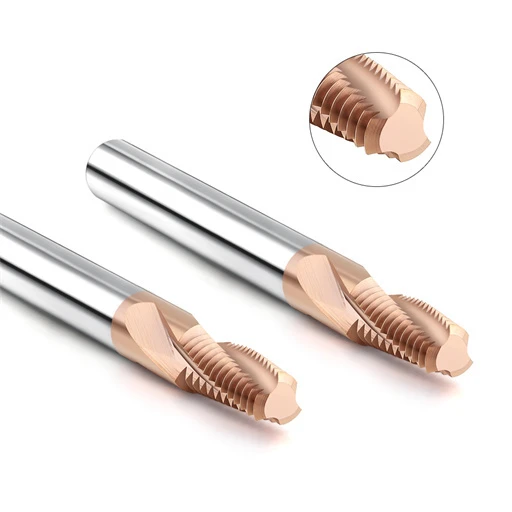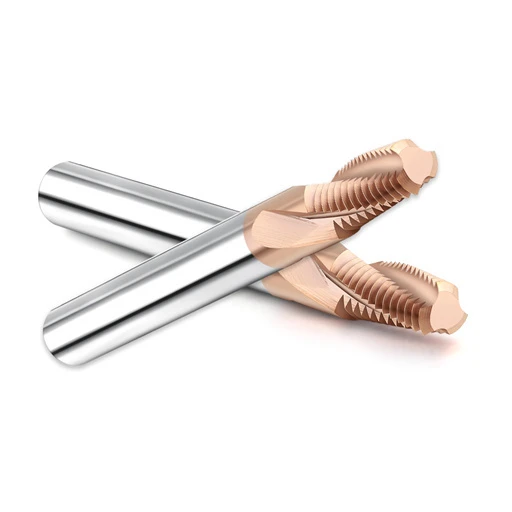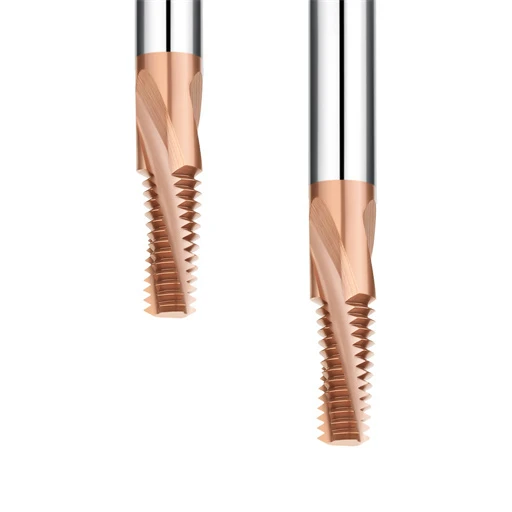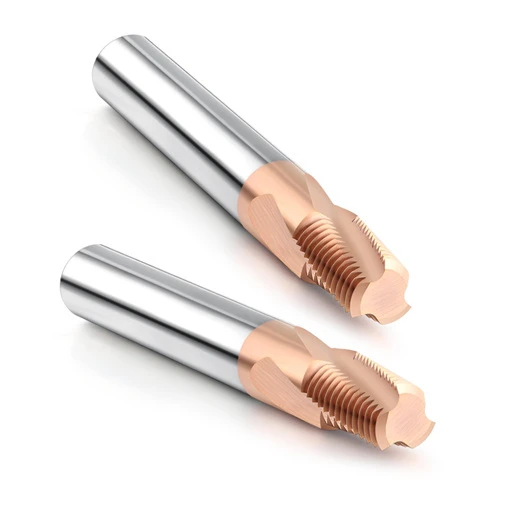
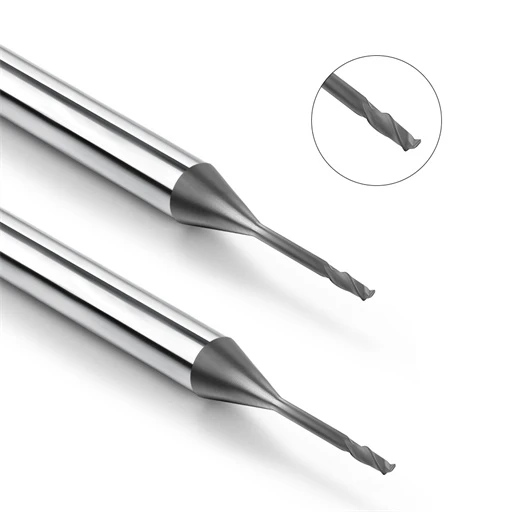
In practical EDM graphite electrode machining, engineers often face a frustrating challenge: two shops running the exact same grade of graphite, CNC equipment, and tooling can see drastically different results. While one achieves stable, extended runs, the other deals with rapid edge wear, chipping, and lost electrode tolerances within hours.
We saw this firsthand with a precision mold maker struggling with severe batch-to-batch tool inconsistency. Their finishing cutters wore down prematurely, leaving rough surface finishes and chipped edges on complex EDM ribs. The root cause was not just tool material, but a chain reaction: mismatched feeds and speeds, suboptimal flute geometry, and abrasive dust buildup acting like grinding paste on the cutting edge.
Extending graphite end mill tool life requires looking at the entire machining ecosystem rather than just buying higher-grade tools. Controlling your speeds and feeds, choosing dedicated cutter geometries, and managing graphite dust all work together to prevent micro-chipping. Even minor edge wear spikes cutting forces quickly, degrading thin electrode walls and leading to costly EDM sinker rework.
Through extensive production testing across diverse electrode grades, we developed a system-wide approach to maximize cutter longevity. This framework focuses on dialed-in cutting parameters, efficient high-vacuum dust extraction, and industrial CVD diamond coatings. High-adhesion diamond coatings provide the extreme surface hardness needed to resist the intense abrasive action of micro-grain graphite during long unattended runs.
Achieving predictable tool life comes down to balancing your machine rigidity, stepover strategy, and coating selection against specific part tolerances. Partnering with an experienced diamond coated graphite end mill supplier helps identify these variables before cutting into expensive stock.
When tool changes cut into your spindle uptime and part accuracy drifts, are you addressing the true root cause of tool wear, or just treating the symptoms?
Key Factors Affecting Tool Life in Graphite Machining
Throughout years of supporting precision EDM electrode shops, we consistently see tool life make or break job profitability. One mold shop we partnered with experienced sharp batch-to-batch inconsistencies while milling ultra-fine grain electrodes: initial parts ran smoothly, but continuous cuts quickly drifted out of tolerance, degraded surface finishes, and triggered frequent cutter replacements.
Our on-site diagnostics confirmed that graphite end mill tool life rarely drops due to a single flaw. Instead, premature failure stems from interconnected variables: mismatched cutter geometry, inadequate flute clearance, sub-optimal parameters, and poor dust collection. Solving tool life issues requires evaluating the whole cutting setup rather than just blaming tool quality.
Causes and Mechanisms of Graphite End Mill Wear
Graphite tool wear is deceptively progressive rather than immediate. While synthetic graphite has low tensile strength, its grain structure acts as an aggressive abrasive on the cutting edge. As microscopic particles scour the relief face, the edge rounds over, cutting forces climb exponentially, and edge wear accelerates rapidly.
In our shop audits, we closely monitor cutting-edge integrity, tool tip degradation, and workpiece finishes. When edge rounding or micro-fracturing appears, we fine-tune depth of cut, spindle speed, and chip load instead of pushing aggressive rates. Matching cutter core geometry to graphite grain density remains the decisive factor for long-term cutting stability.
The Impact of Graphite Machining Dust on Tool Life
Dust management is one of the most overlooked variables in high-speed graphite CNC machining. Inadequate dust extraction leaves dense clouds of micro-fine particles trapped in the cut zone. These unevacuated particles act like a secondary lapping compound between the flutes and the part, grinding down the cutter prematurely.
We resolved a severe tool life drop at an aerospace electrode facility simply by overhauling their vacuum hood geometry and air-blast velocity. Upgrading dust evacuation and selecting tools with optimized chip clearance instantly restored cutting consistency. Proper dry dust management is just as vital as tool grade for extending graphite end mill lifespan.
Tool Failure Caused by Graphite Edge Chipping
Brittle workpiece chipping remains a primary failure mode in high-precision graphite machining. When milling thin ribs, sharp corners, and deep cavity electrodes, erratic cutting forces shatter delicate graphite features. Once chipping occurs, it ruins part geometry and creates poor discharge gaps during sinker EDM operations.
Preventing edge chipping requires balancing cutter rake angles, tool engagement paths, and radial chip thinning. Maintaining constant tool engagement during roughing and easing cutting pressure along perimeter finishing passes protects fragile features. In precision electrode milling, process stability and clean edge retention always outweigh raw cutting speed.
Why Does Graphite Machining Cause Rapid Tool Wear?
Many CNC machinists new to electrode milling assume that because graphite is softer than hardened steel, tool life will naturally be long. However, the reality of high-speed dry milling tells a completely different story. We recently assisted a high-precision mold shop where tools performed well on first-off parts, but quickly lost critical ribs and tolerances as batch production ramped up.
Our engineering team traced the root cause to severe abrasive friction and unmanaged dust buildup along the cutting flutes. Graphite end mill wear is driven by grain structure, cutter geometry, dust evacuation, and spindle dynamics. When cutting parameters mismatch the material grade, even premium cutters wear out prematurely.
The Impact of Graphite Particles on the Cutting Edge
During high-speed milling, microscopic graphite particles continuously scour the cutting edge at high velocity. This abrasive action acts like fine sandpaper, dulling the razor-sharp edge into a rounded profile. In precision EDM electrode manufacturing, even slight edge degradation spikes tool pressure, degrading surface finishes and ruining delicate thin-wall tolerances.
Maximizing edge retention requires looking at graphite grain size, surface footage, and core rigidity together. When cutting flutes fail to clear fractured particles instantly, frictional heat and edge erosion skyrocket. Selecting cutters with reinforced edge preparation and specialized micro-grain substrates prevents early tool failure.
How Graphite Dust Accelerates Tool Wear
Dust management is often the most underestimated factor in high-speed graphite milling. When vacuum extraction is weak, ultra-fine dust recirculates into the cut path. These trapped particles act like a secondary lapping compound, grinding down the relief angles and coating layers on the graphite end mill.
We have audited identical machining setups running identical programs, where vacuum efficiency alone caused a 50% variance in tool lifespan. Upgrading high-velocity air blasts and optimizing extraction hoods dramatically stabilizes edge life. Preventing dust re-cutting is critical to stopping accelerated wear.
How to Reduce Graphite End Mill Wear and Extend Service Life
Controlling tool wear requires a complete process strategy rather than just buying expensive cutters. Dialing in appropriate spindle speeds, avoiding excessive radial engagement, and separating roughing from finishing passes prevent thermal and mechanical shock. These parameter adjustments maintain consistent chip loads across long, unattended cycles.
Extending graphite end mill tool life ultimately comes down to balancing cutting data, dust evacuation, and dedicated diamond coatings. Aligning your machining strategy with the exact graphite density ensures predictable tool performance and lowers total electrode production costs.
Optimizing Graphite End Mill Cutting Parameters to Extend Tool Life
In high-speed electrode machining, premature tool failure rarely comes from defective carbide; it usually stems from aggressive, mismatched cutting parameters. We once worked with an EDM shop that pushed federates to shave cycle times, only to suffer severe edge wear, heavy chatter marks, and chipped electrode ribs within hours.
Our engineering data proved that the cutters were running under excessive tool deflection and erratic cutting pressure. Optimizing your graphite end mill cutting parameters requires finding the sweet spot between chip load and cutting speed rather than chasing maximum material removal rates. A dialed-in setup prevents micro-chipping and dramatically stabilizes tool life.
How Graphite Machining Speed and Feed Affect Tool Life
Machinists transitioning from metals often make the mistake of treating graphite like aluminum or soft alloy steel. Because synthetic graphite is brittle and fractures abrasively, low surface footage causes excessive rubbing, while oversized chip loads overload fragile cutting flutes. We recommend fine-tuning speeds based on graphite grain size, cutter reach, and core diameter.
Across multiple customer benchmarks, maintaining balanced graphite machining speed and feed proved far more effective than running at peak RPM limits. On micro-tooling and deep cavity profiles, reducing the chip load per tooth dampens high-frequency harmonic vibration, protecting the cutting edge while delivering clean, mirror-like electrode surface finishes.
Optimizing Cutting Parameters to Reduce Tool Wear
When troubleshooting short tool life, we evaluate the complete engagement strategy. Excessive radial stepovers, aggressive axial depths, and abrupt 90-degree cornering subject the cutter to severe mechanical shock that shatters carbide flutes. Smoothing toolpath transitions and using constant engagement strategies help protect delicate cutting edges.
In high-volume electrode production, optimizing feeds and speeds delivers far better ROI than constantly swapping tool brands. Dialing in your cutting conditions eliminates abnormal flank wear, reduces cutter deflection, and preserves tip geometry. Tailoring these values to your machine rigidity and graphite density ensures consistent, repeatable precision.
Selecting Appropriate RPM, Feed Rate, and Depth of Cut
Spindle RPM, feed rate, and depth of cut must always function as a synchronized system rather than standalone numbers. On a recent deep-rib mold project, a shop used heavy axial depths to cut cycle times, causing rapid corner breakdown and taper error. Lightening the depth of cut and boosting feed rates restored dimensional accuracy immediately.
Ideal graphite machining parameters strike a precise balance between cycle speed, tool longevity, and corner definition. High-efficiency roughing demands consistent volumetric chip loads, while finishing passes require high RPM and light radial engagements to prevent corner blowout. Harmonizing these three variables maximizes the service life of every graphite milling cutter.
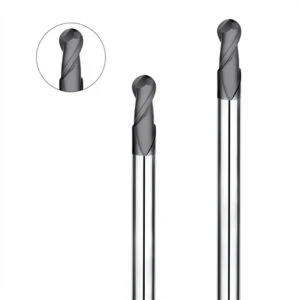
Graphite End Mill Geometry Selection: A Key Factor Influencing Tool Life
When electrode milling shops struggle with premature tool wear, their first instinct is often to switch to expensive premium carbide grades. However, extensive shop-floor testing shows that cutter architecture is just as critical. We recently diagnosed a mold facility cutting complex 3D ribs where identical carbide grades yielded vastly different results solely due to flute and edge geometry.
Tool geometry directly dictates cutting force distribution, dust evacuation clearance, and cutting-edge strength. Because synthetic graphite fractures into abrasive dust rather than continuous metal chips, selecting an optimized graphite end mill geometry is essential. The right core thickness, relief angle, and rake design prevent premature chipping and stabilize dimensional repeatability across long runs.
The Impact of Flute Count on Graphite End Mill Lifespan
Matching flute count to the specific machining stage prevents severe dust packing and thermal buildup. On a high-volume EDM electrode project, a client used 4-flute cutters for roughing to chase higher feed rates, only to suffer severe flute clogging. Our testing proved that more flutes do not always mean better performance in abrasive graphite applications.
We recommend 2-flute or 3-flute end mills for heavy roughing and deep pocketing to ensure maximum dust clearance and prevent secondary rubbing. Conversely, 4-flute designs excel during light finishing passes, where smaller chip loads and higher core rigidity produce fine surface finishes. Matching flute numbers to your cutting strategy significantly extends graphite end mill lifespan.
Optimizing Helix Angle and Cutting Edge Strength
Helix angle selection directly determines the lifting action on graphite dust and the direction of cutting forces. Low-helix designs (around 20° to 30°) reduce vertical lifting forces on thin-rib electrodes, preventing fragile graphite edges from blowing out. In contrast, higher helix angles provide smoother shearing and reduced cutting pressure in rigid 3D contours.
Edge preparation requires a precise balance between razor sharpness and fracture resistance. An overly sharp cutting edge micro-fractures under high-velocity particle impact, while an excessively honed edge increases cutting resistance and chatter. Tailoring edge hones to your graphite grain structure preserves edge stability and dimensional accuracy.
How Flute Geometry Improves Graphite Dust Evacuation
Efficient chip evacuation is vital because trapped graphite dust acts like an abrasive lapping compound inside the cut zone. If flute valleys are too shallow or poorly polished, compacted particles increase friction and rapidly strip protective diamond coatings. A wide, open gullet design continuously clears fine powder away from the tool-workpiece interface.
We audited a facility where tool life dropped mysteriously despite using correct feeds and speeds. Inspection showed that dust had packed tightly into the flute roots, causing severe heat and accelerated abrasive wear. Switching to high-clearance flutes optimized for graphite machining dust extraction immediately restored cutter stability and doubled tool longevity.

Diamond Coated Graphite End Mills: The Best Choice for Extending Tool Life
In precision electrode shops, engineers frequently ask why uncoated carbide fails rapidly while specialized cutters run for hours without losing tolerance. We assisted a mold facility cutting high-density, fine-grain graphite that suffered frequent tool wear and dimensional drift using uncoated carbide. The abrasive particles degraded the cutting flutes quickly, causing surface finish issues and scrap parts.
Our on-site testing confirmed that tungsten carbide alone cannot withstand the continuous micro-abrasion of high-speed graphite milling. Upgrading to industrial diamond coated graphite end mills adds an ultra-hard physical barrier that resists abrasive wear and maintains clean cutting edges. For tight-tolerance EDM electrodes and high-volume production, diamond tooling delivers superior machining stability and spindle uptime.
Why Diamond Coated Graphite End Mills Offer Longer Service Life
Graphite cutting edges do not fail from thermal softening like metal-cutting tools; they fail from constant abrasive erosion. Synthetic diamond coatings provide surface hardness ratings up to 10,000 HV, creating an extremely durable shield against scouring graphite particles. This hardness prevents rapid edge rounding and stops cutting forces from spiking unpredictably.
In a recent production audit, switching to diamond tooling reduced tool change downtime by over 70% during long unattended shifts. While cutting parameters and machine rigidity remain essential, coating adhesion and thickness play the deciding role in edge retention. Diamond-coated cutters keep critical rib dimensions consistent across extensive cycles.
How Diamond Coatings Reduce Wear on Graphite End Mills
Uncoated cutters quickly develop flank wear lands because abrasive dust grinds away the relief face. Once the substrate is exposed, cutting pressures increase, resulting in workpiece chipping and rib breakage. High-purity diamond coatings dramatically lower the coefficient of friction, allowing dust to slide freely across the flutes without stripping the cutting edge.
For rapid prototyping or low-volume work, uncoated tools might suffice, but high-precision electrodes require durable surface protection. Reducing micro-abrasion keeps cutting forces low and predictable throughout the tool’s lifespan. Investing in premium diamond layers significantly extends overall graphite end mill lifespan while lowering cost-per-part.
How to Choose a Reliable Diamond Coated Graphite End Mills Supplier
Evaluating tool vendors requires looking far beyond a basic “diamond coated” label on a product catalog. Coating adhesion quality, substrate grain structure, and specialized edge preparation make the difference between true CVD diamond and cheap PVD coatings that flake off immediately. Low-adhesion coatings fail within minutes under high abrasive loads.
A trustworthy diamond coated graphite end mill supplier should provide verified application data, custom speed and feed charts, and dedicated technical support. Partnering with a manufacturer that understands dust evacuation and graphite fracture dynamics helps you optimize toolpaths, maintain tight tolerances, and achieve maximum cutter longevity.
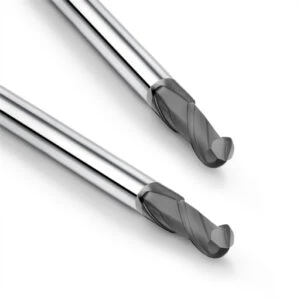
Reducing Graphite Edge Chipping and Extending Tool Life through Machining Strategies
In high-precision EDM electrode milling, edge chipping and premature wear are the two biggest threats to part quality. We recently partnered with a precision mold shop struggling with micro-fractures along fine ribs, sharp outer corners, and deep cavity walls. These small defects caused severe arc instability and uneven burns during sinker EDM operations.
Our on-site diagnostics showed that the issue was not bad graphite stock, but sudden cutting load spikes and tool deflection. Preventing graphite edge chipping requires a balanced machining strategy that stabilizes cutting forces rather than just dialing back feed rates. Managing tool engagement and stepover transitions protects delicate electrode features and extends cutter life.
Machining Methods to Prevent Graphite Edge Chipping
Brittle graphite chips easily whenever a cutter experiences abrupt directional shifts or sudden material engagement. Sharp internal corners and thin-walled ribs are especially vulnerable to high tool pressure, which creates subsurface micro-cracks that break away into visible edge blowouts.
We resolved this for a customer by replacing abrupt linear plunges with helical ramp entries and implementing corner-smoothing toolpaths with constant radial engagement. Leaving light, uniform stock for finish passes eliminated sudden shock loads on thin features. A holistic CAM approach combining smooth tool entry, dialed-in feeds, and sharp cutting edges is essential to eliminate edge blowout.
Optimizing Tool Life for Roughing and Finishing
Using a single end mill for both bulk stock removal and final wall finishing is a recipe for premature tool failure and out-of-spec parts. When shops try to avoid tool changes this way, abrasive roughing quickly rounds the cutting edge, leaving the tool incapable of holding tight finishing tolerances.
We always recommend dedicating separate cutters to roughing and finishing cycles. Roughing passes should focus on efficient chip clearance and balanced volumetric removal, while finishing tools maintain razor-sharp diamond edges for light, low-pressure passes. Splitting these operations protects finishing cutters from heavy shock loads and stabilizes your CNC graphite machining workflow.
Stable CNC Graphite Machining Enhances Quality
Decades of shop-floor experience prove that process consistency beats aggressive cutting speeds every time. Graphite milling involves multiple interconnected variables—material grain structure, machine tool rigidity, vacuum extraction, and cutter runout. Fluctuations in any single area can cause chatter and dimensional drift.
Building a standardized machining workflow is the most reliable way to maximize tool performance and electrode accuracy. Regularly inspecting cutting-edge wear, maintaining high-velocity dust collection, and tailoring feeds to specific graphite grades keeps scrap rates low. In tight-tolerance electrode manufacturing, a repeatable, vibration-free setup delivers the highest graphite machining quality.
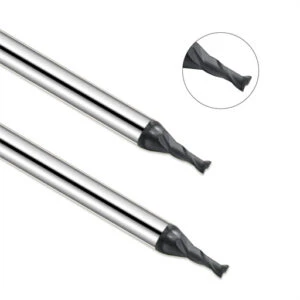
FAQ: Graphite End Mill Tool Life
In high-speed graphite electrode shops, tool life questions arise at every stage from CAM programming to unattended production. Rather than asking for a generic “best cutter,” experienced machinists focus on achieving predictable, repeatable tool wear under specific shop-floor conditions.
Tool longevity depends entirely on your graphite grade, part geometry, cutter overhang, spindle dynamics, and dust evacuation. Below are practical answers to common questions about maximizing graphite end mill tool life, based on real-world CNC shop data and field testing.
How Long Does a Graphite End Mill Last?
There is no fixed hour rating or universal part count for tool lifespan. An end mill cutting simple external contours on standard graphite can run for days, while the same cutter milling deep ribs in ultra-fine grain stock may wear much faster under high radial pressure.
Actual tool life depends on graphite grain density, chip load per tooth, and coating quality. Instead of relying solely on cutting time, monitor edge wear under an optical comparator, track surface roughness, and inspect corner radii on your electrodes to establish reliable tool-change intervals.
Why Does My Graphite End Mill Wear Quickly?
Premature tool failure rarely stems from a single factor. Rapid wear typically points to aggressive feeds causing mechanical shock, improper surface footage leading to abrasive rubbing, or poor vacuum extraction that traps abrasive dust in the flutes.
When you notice premature dulling, spindle noise, or rough electrode surfaces, audit your cutting setup immediately. Evaluating flute clearance, chip load, and dust collection hoods usually reveals that the machining environment—not the carbide grade—is accelerating graphite end mill wear.
How Can I Extend the Lifespan of Graphite End Mills?
Maximizing cutter life requires dialing in your entire machining ecosystem. Stabilize your cutting forces with constant-engagement toolpaths, choose flute geometries tailored for brittle materials, and maintain high-velocity dust collection to prevent secondary particle abrasion.
For continuous electrode production, process stability is just as important as cutter quality. Balancing your axial and radial depth of cut, maintaining uniform stock allowances, and monitoring edge breakdown will steadily extend your graphite end mill lifespan.
Are Diamond Coated Graphite End Mills Better for Machining Graphite?
For high-precision, long-duration, or lights-out electrode machining, diamond tooling consistently outperforms uncoated carbide. Premium diamond layers provide extreme surface hardness and low friction, resisting the heavy abrasive wear typical of fine-grain graphite.
While uncoated tools might handle one-off prototypes or porous, coarse graphite, high-density electrodes demand superior wear resistance. Investing in quality diamond coated graphite end mills reduces tool change downtime, protects thin rib geometries, and ensures long-term batch consistency.
What Machining Speeds and Feeds Should I Use for Graphite?
Never copy cutting data directly from aluminum or steel programming. Because graphite is brittle and fractures into fine dust rather than forming chips, speeds and feeds must be customized to tool diameter, flute geometry, and electrode grain structure.
Optimizing your graphite machining speed and feed requires step-by-step testing on your specific machine tool. Maintaining high surface footage with light, consistent chip loads prevents edge chipping on delicate ribs, reduces cutting heat, and extends cutter life.