In automotive mold manufacturing, producing high-precision graphite electrodes for Electrical Discharge Machining (EDM) presents unique shop-floor challenges. Even straightforward mold designs often demand tight dimensional tolerances, flawless surface finishes, and repeatable accuracy across long production runs. One of our automotive mold clients continuously struggled with micro-chipping, thermal drift, and rapid tool wear while milling complex graphite electrodes. Traditional machining processes simply could not deliver the consistency required for high-volume EDM operations.
Our field experience proves that these obstacles extend far beyond the graphite material itself. Achieving stable graphite electrode machining requires an integrated system approach rather than relying on isolated fixes. Critical factors like tool geometry, cutting parameters, machine rigidity, and dust extraction must work in total harmony. By transitioning from basic tool selection to a comprehensive graphite machining system, we helped this manufacturer eliminate process instability and dramatically elevate their mold quality.
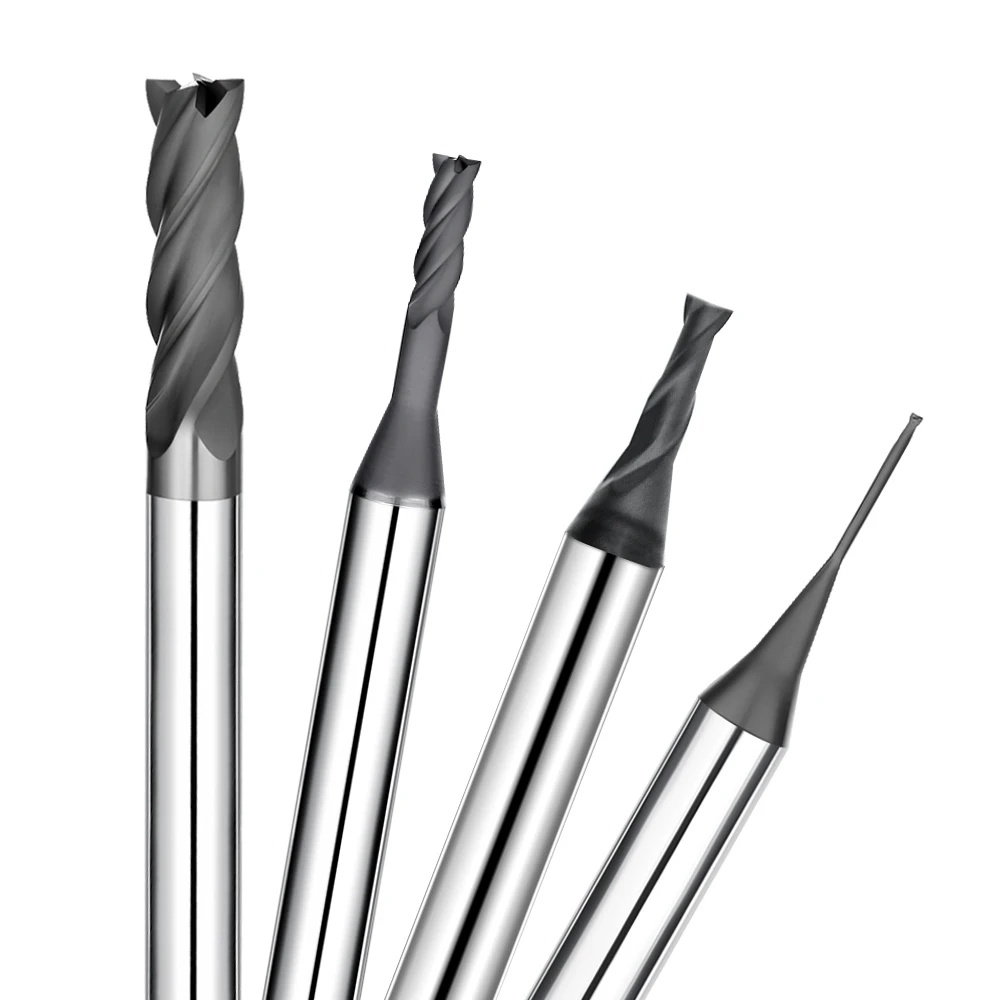
For the automotive sector, precision graphite machining directly dictates the final mold accuracy and EDM performance. Automotive molds regularly feature deep cavities, thin-walled ribs, and complex 3D contours that test the limits of standard tooling. Succeeding in these applications requires specialized graphite end mills—such as long-reach cutters for deep pockets and diamond-coated tools designed for high-speed machining. Using the correct tool configuration prevents premature wear and maintains tight tolerances throughout the cycle.
A high-performance CNC graphite machining solution requires more than just pairing a capable machine with a sharp cutter. It demands systematic process optimization that aligns graphite grade properties, spindle dynamics, and specialized tool coatings. In high speed graphite milling, optimized flute geometry and wear-resistant coatings effectively reduce cutting forces and mitigate edge erosion. This article shares real-world case insights on how a tailored graphite machining system optimizes automotive mold electrode manufacturing.
Are you experiencing accuracy fluctuations, short tool life, or poor consistency during high-volume automotive electrode production? Partnering with an experienced graphite cutting tool supplier can help you build a stable, long-term machining strategy that boosts overall productivity.
Application Requirements for Graphite Electrodes in Automotive Mold Machining
In our experience with automotive mold projects, graphite electrode machining is a decisive yet frequently overlooked phase. While shops often focus on mold steel or EDM settings, the accuracy and surface finish of graphite electrodes directly determine final cavity quality. This is particularly vital for automotive interior trims, exterior body panels, and structural components where electrode profiles must faithfully replicate complex geometries.
We once helped an automotive mold supplier troubleshoot severe dimensional drift during volume electrode runs. Initial parts met specs, but subsequent electrodes showed edge chipping and localized size variations due to mismatched tooling and aggressive toolpaths. Establishing a robust graphite machining system solved these issues, proving that high-yield electrode production requires a holistic strategy rather than isolated fixes.
Precision and Stability Requirements for Graphite Electrodes in Automotive Mold Machining
Automotive mold manufacturing demands strict control over dimensional tolerances and profile consistency. Inaccurate graphite electrodes distort EDM spark gaps, causing uneven cavity wear and costly manual benchwork later on. Maintaining pristine edge integrity and tight batch-to-batch repeatability during electrode milling is essential for predictable mold performance.
Achieving high-precision graphite electrode machining involves far more than simply boosting spindle speeds. Process stability is paramount when running multi-electrode sets for large automotive molds. Selecting rigid graphite end mills, optimizing chip loads, and managing fine dust contamination eliminate micro-vibrations, resulting in a controlled CNC graphite machining process.
Why Automotive Mold Manufacturing Requires Precision Graphite Machining Solutions
In long production runs, minor machining errors accumulate rapidly into major assembly defects. When a single automotive mold cavity requires multiple matching electrodes, process instability leads to uneven wear, extended EDM burn times, and soaring debugging costs. Implementing a systematic graphite machining strategy prevents these compounding errors and ensures high manufacturing reliability.
A dependable machining process balances material grades, machine dynamics, and specialized tool design. Rather than chasing raw feed rates, our shop tailors cutting parameters to specific electrode geometries and allowance targets. This engineered approach delivers the ideal balance between high speed and uncompromising accuracy for automotive mold components.
The Role of Graphite Electrode Milling in Machining Complex Mold Cavities
Milling complex graphite electrodes serves as the critical bridge between 3D CAD models and physical EDM erosion. Automotive components frequently feature deep ribs, thin-walled sections, and intricate 3D contours that trigger tool chatter and premature wear. Machining these features successfully demands stable cutters engineered for smooth chip and dust evacuation.
We select specialized tooling based on electrode geometry to maintain high precision. For deep cavities, long-reach graphite end mills with diamond coatings reduce deflection and cutting forces. Combining targeted tool paths with high-speed machining techniques optimizes the entire process, delivering exceptional stability when producing complex automotive mold electrodes.
The Core Value of Graphite Machining Systems in Automotive Mold Machining
Optimizing isolated cutting steps rarely resolves persistent quality issues in high-volume automotive mold electrode machining. We experienced this firsthand with an automotive interior mold supplier: while initial prototype samples passed inspection, full-scale production triggered severe dimensional drift, long cycle times, and unpredictable tool wear. A shop-floor audit revealed a lack of alignment between tool selection, cutting parameters, graphite material grades, and shop workflows.
To address these challenges, we transitioned to implementing an integrated graphite machining system rather than relying on quick-fix parameter adjustments. A robust machining system balances cutting efficiency, dimensional repeatability, and surface finish during continuous production runs. In complex multi-station operations, a systematic approach provides significantly greater long-term value than simply maximizing short-term feed rates.
How CNC Graphite Machining Enhances Consistency in Automotive Mold Electrode Production
Maintaining consistent electrode quality requires controlling variables beyond simple machine tool precision. Uncontrolled cutter wear, inconsistent toolpaths, and fine abrasive dust continuously threaten dimensional accuracy across large batches. Standardizing the CNC graphite machining process helps shop managers stabilize critical variables and guarantee reliable tolerances from the first electrode to the last.
When machining large structural electrodes for automotive door panels or battery enclosures, we tailor roughing and finishing strategies to the component geometry. For intricate detail areas, we reduce radial chip loads to protect delicate edges instead of chasing raw speed. Prioritizing edge integrity over rapid metal removal ensures stable electrode performance during subsequent EDM operations.
How High-Speed Graphite Milling Boosts Production Efficiency for Graphite Electrodes
Automotive tooling schedules often demand high volumes of identical graphite electrodes delivered within tight lead times. Implementing high-speed graphite milling reduces floor-to-floor cycle times dramatically when executed correctly. However, achieving these speeds requires precise synchronization between spindle dynamics, machine rigidity, and specialized cutter geometry to avoid premature chipping.
We fine-tune spindle speeds, feed rates, and depth of cut based on the specific graphite density and electrode geometry. Because graphite is inherently brittle, managing cutting forces prevents micro-cracking along thin ribs. Adopting stable high-speed machining strategies optimizes tool paths, extends tool life, and balances high output with process reliability.
How a Comprehensive Graphite Machining System Reduces Risks and Tool Consumption
Unplanned downtime and frequent setup adjustments drive up automotive mold manufacturing costs. Constantly replacing worn tools, recalibrating electrodes, and polishing poor surface finishes disrupts the entire production schedule. A comprehensive graphite machining system mitigates these risks by combining material analysis, tool selection, parameter optimization, and continuous process monitoring.
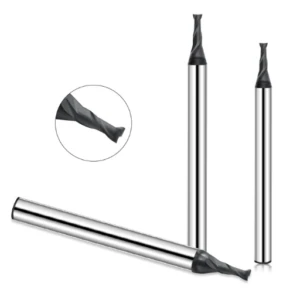
Engineers must match specific graphite end mills to the electrode depth, rib thickness, and required tolerance. Extended-reach tools stabilize deep pocket milling, while diamond coated end mills deliver superior wear resistance during high-precision finishing. Evaluating the complete machining ecosystem delivers far better consistency and ROI than swapping out individual cutters.
CNC Graphite Machining Solution: Optimizing the Process for Automotive Mold Graphite Electrodes
In automotive mold manufacturing, production bottlenecks rarely stem from a single machine failure; they usually result from poorly integrated workflows. We once assisted an automotive injection mold builder whose roughing cycle times were fast, but finishing operations suffered from edge chipping, long burn times, and frequent manual fitting. Performing an on-site audit allowed us to re-engineer toolpath strategies, cutter choices, and stepovers across every stage, restoring total process control.
A reliable CNC graphite machining solution must align electrode structural geometry with graphite grade properties and target EDM spark gaps. Every phase—from heavy stock removal during roughing to micro-milling fine details during finishing—directly affects final electrode quality. Adopting a structured, multi-stage machining strategy balances metal removal rates, surface profile accuracy, and tool longevity far better than chasing a single performance metric.
Graphite Rough Milling: Boosting Efficiency in Automotive Mold Electrode Roughing
Roughing automotive mold graphite electrodes focuses on removing maximum stock in minimum time. However, aggressive roughing with uneven stock allowance causes cutting force spikes and chatter during subsequent finishing passes. Optimizing graphite rough milling paths according to electrode size and geometry creates uniform stock margins, protecting delicate finishing tools down the line.
When roughing large body panel electrodes, we prioritize high-feed roughing while actively damping tool chatter and preventing corner chipping. Selecting purpose-built roughing cutters, optimizing axial depths of cut, and maintaining vacuum dust extraction relieves thermal stress on the workpiece. In high-volume operations, this balanced approach delivers far greater stability than simply maxing out spindle RPMs.
Graphite Finishing Milling: Ensuring Dimensional Accuracy and Surface Quality
During high-precision electrode production, finishing directly dictates final EDM erosion accuracy and cavity surface texture. Unlike roughing, finishing prioritizes faithful 3D profile reproduction, uniform scallop height, and pristine edge retention. On complex automotive interior molds, sub-par electrode surface finishes translate directly into visible defects on molded trim, making precision finishing critical.
We select dedicated finishing end mills with micro-grain carbide or diamond coatings to prevent edge breakdown during final passes. For complex 3D contours and thin ribs, adjusting tool diameters, flute count, and stepover distances minimizes cutting deflection. This engineered graphite finishing milling method yields electrodes that match CAD models precisely, virtually eliminating manual benchwork.
The Impact of CNC Parameter Optimization on Precision Graphite Machining
Years of shop-floor experience prove that many machining failures stem from generic machine settings rather than hardware limitations. Even within the same graphite grade, optimal speeds, feeds, and depth of cut vary based on electrode overhang, tool geometry, and pocket depth. Continuously optimizing parameters based on real-time cutting feedback ensures the process remains stable under actual shop conditions.
Achieving repeatable precision graphite machining requires combining rigid machine tool platforms with deep process know-how. Monitoring cutter wear, controlling dynamic chip loads, and maintaining high-velocity dust extraction all contribute to stable long-term yields. Fine-tuning these parameters eliminates unpredictable drift, allowing shops to maintain continuous batch accuracy during long automotive production runs.

Selecting Graphite End Mills: Key to Enhancing Automotive Mold Graphite Machining Performance
Tool selection directly dictates the precision and profitability of automotive mold graphite machining operations. We once assisted an automotive mold shop using general-purpose carbide cutters for deep electrode cavities. As cutting depth increased, the shop suffered severe cutter deflection, edge chipping, and rapid dimensional degradation. An on-site engineering audit confirmed that the abrasive nature of graphite demands specialized tooling designed specifically for high wear resistance and efficient dust evacuation.
To overcome these obstacles, we match specialized graphite end mills to the electrode structure, graphite grade, and machining pass type. In automotive mold manufacturing, a cutting tool is not an isolated consumable but a critical link in the entire machining system. Aligning substrate geometry, coating properties, and cutting parameters minimizes process variation, ensuring repeatable quality across high-volume production runs.
Why Graphite End Mills Are Ideal for Automotive Mold Electrode Machining
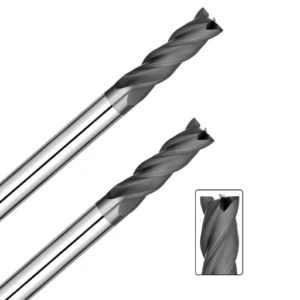
While graphite offers high thermal resistance for EDM applications, its high abrasiveness drives rapid tool wear and micro-chipping on standard cutters. Purpose-built graphite end mills feature sharp cutting edges, relief angles, and chip flutes designed for fast dust evacuation. These features stabilize cutting forces, allowing tools to maintain edge integrity during long machining cycles.
When machining detailed electrodes for automotive interior trims, we select specialized end mills tailored to specific feature geometries. For large planar surfaces, we prioritize high material removal rates, whereas delicate ribs require specialized micro-cutters focused on dimensional accuracy. Tooling decisions should never depend solely on cutter diameter or unit cost; instead, they must align with specific pocket depths and feature tolerances.
Extending Tool Life with Diamond Coated Graphite End Mills
Maintaining dimensional consistency during continuous production runs presents a major challenge in precision electrode milling. Uncoated carbide tools degrade quickly against abrasive graphite, causing size drift across large electrode batches. Utilizing diamond coated graphite end mills solves this issue by creating an ultra-hard barrier that dramatically slows abrasive wear.
In our field experience, premium CVD diamond coatings increase tool life exponentially when machining dense, high-hardness graphite grades. However, diamond tooling must be applied strategically based on batch size, cavity depth, and cost targets. Balancing coating performance with overall cycle efficiency ensures maximum profitability and consistent electrode quality for high-volume automotive projects.
Application of Long-Reach Graphite Milling Cutters in Deep Cavity Electrode Machining
Deep pockets and tall, narrow ribs are common features in automotive seat and dashboard mold design. We once optimized a tooling strategy for an automotive seat mold manufacturer whose standard cutters suffered from excessive vibration and tool chatter in deep pockets. Implementing long reach graphite milling cutters engineered for high rigidity eliminated chatter and restored dimensional stability.
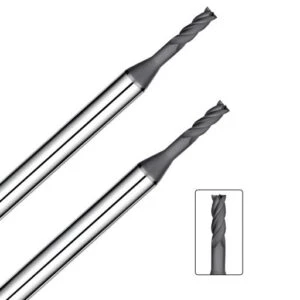
Successfully deploying long-reach tools requires managing the length-to-diameter ratio, spindle harmonics, and cutting forces. Simply extending tool overhang without adjusting feed rates increases cutter deflection and runout risks. Matching the shortest viable tool extension with optimized high-speed toolpaths ensures smooth wall finishes and precise deep-cavity electrode manufacturing.
How a Graphite Cutting Tools Supplier Helps Optimize Automotive Mold Machining Processes
Achieving long-term stability in automotive mold graphite machining requires technical support that goes beyond simply purchasing cutting tools. Tool performance requirements vary significantly based on graphite grade, electrode geometry, and machining pass type. We once assisted an automotive mold maker struggling with complex curved electrodes where swapping out off-the-shelf end mills failed to improve cycle times. Re-engineering their toolpaths, tool selection, and parameter combinations resolved their yield issues.
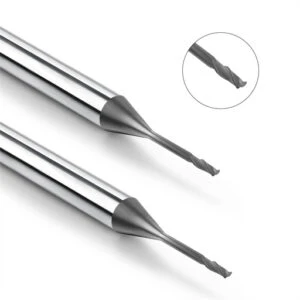
A reliable graphite cutting tools supplier acts as an application engineering partner who understands real-world shop operations. Automotive electrode manufacturing demands tailored strategies across roughing, semi-finishing, finishing, and deep-pocket milling. Analyzing workpiece geometry, recommending optimal tool designs, and validating cutting strategies on-site ensures tooling performance aligns directly with production goals.
Tool Selection Support from a Professional Graphite Cutting Tools Supplier
Engineers frequently ask why identical electrodes yield different results when machined with different cutters. Factors like substrate grade, flute geometry, relief angles, and diamond coatings heavily influence cutting forces and wear rates. A specialized graphite cutting tools supplier evaluates electrode dimensions, graphite density, and tolerance targets to match the ideal tool configuration to the job.
For heavy stock removal on large automotive electrodes, we recommend high-feed end mills designed for rapid dust evacuation. For delicate ribs and high-precision surfaces, we prioritize core rigidity, tool runout, and edge sharpness. Successful tool selection depends not on choosing the most expensive cutter, but on applying the correct solution for specific shop conditions.
A Holistic Solution—From Graphite End Mill Design to Machining Parameter Optimization
Supplying high-performance end mills alone cannot solve underlying process instability. Even premium diamond coated cutters fail prematurely if feed rates, spindle speeds, or axial stepovers are improperly set. Delivering an effective machining solution requires integrating tool structural design with precise parameter matching on the shop floor.
When selecting a graphite end mill, engineers must balance cutter geometry, diamond coating thickness, spindle RPM, and axial depth of cut. For deep-cavity or high-volume applications, we refine parameter tables through empirical testing to maximize tool life and cutting speed. This integrated approach gives automotive mold makers the stability required for continuous production.
Establishing a Long-Term, Stable Graphite Machining System Partnership
Producing graphite electrodes for automotive molds requires continuous process refinement as part designs and materials evolve. Rather than treating tool procurement as a series of isolated transactions, forward-thinking manufacturers establish strategic partnerships with technical suppliers. Building a standardized graphite machining system allows shops to capture process knowledge and build a durable competitive advantage.
Continuous collaboration helps engineers analyze tool wear patterns, adjust cutting speeds, and eliminate process bottlenecks. For enterprises running volume electrode production, ongoing communication reduces trial-and-error costs and improves delivery predictability. Partnering with a skilled technical team ensures your machining system reliably supports business growth over the long term.
Common Machining Challenges and Solutions in Automotive Mold Electrode Machining
In high-volume automotive mold electrode machining, process failures rarely happen instantaneously. Instead, small errors compound over long production runs. We once assisted an exterior trim mold builder whose initial electrodes passed inspection, but volume scaling led to rapid tool wear, size drift, and poor deep-pocket stability. A shop-floor root-cause analysis revealed that these issues stemmed from improper tool engagement, abrasive dust accumulation, and sub-optimal toolpaths.
Achieving stable machining quality requires real-time adaptations on the shop floor rather than isolated troubleshooting. Engineers must evaluate tool wear, tolerance limits, and cutting efficiency as a unified system. For automotive mold manufacturers, identifying the underlying causes of instability provides far greater long-term value than simply purchasing faster equipment or increasing cutting speeds.
Addressing Tool Wear in Graphite Electrode Milling
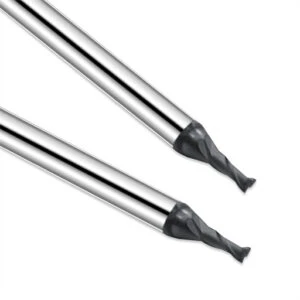
Rapid tool wear represents a persistent challenge during volume graphite electrode milling operations. When producing large electrode sets for automotive molds, accelerated flank wear causes immediate dimensional drift across sequential parts. We once helped a shop where uncoated carbide end mills degraded after just a few hours, forcing operators to constantly adjust tool offsets. Implementing diamond coated milling cutters and engineered speed-and-feed schedules resolved their process instability.
Mitigating severe tool wear requires matching cutter geometry directly to graphite grain size and density. Managing chip loads, optimizing vacuum dust removal, and utilizing balanced high-speed toolpaths prevent excessive friction and heat buildup. In continuous production environments, maintaining predictable, uniform tool wear is far more critical than achieving peak material removal rates on a single pass.
Improving Dimensional Stability in CNC Graphite Machining
In automotive mold manufacturing, batch-to-batch dimensional stability outweighs single-part precision. We once audited a mold shop where individual graphite electrodes met drawing specs, yet size variations emerged across continuous production runs. Thermal expansion, machine tool drift, uneven stock allowances, and progressive cutter wear all contributed to these batch discrepancies. Standardizing the entire CNC graphite machining workflow restored complete dimensional control.
To guarantee tight tolerances across high-volume electrode runs, shops must monitor process stability rather than relying solely on post-machining CMM inspection. Establishing strict tool replacement intervals, standardizing cutting parameters, and optimizing chip evacuation minimizes process variation. Delivering repeatable electrode dimensions ensures predictable EDM spark gaps and reduces bench-fitting costs.
Improving Deep-Cavity Machining Quality with Long Reach Graphite Milling Cutters
Milling deep cavity features on automotive electrodes often introduces severe tool deflection and chatter harmonics. We once optimized a tooling setup for a complex dashboard mold electrode featuring deep, narrow pockets. Standard end mills lacked adequate reach, causing tool body interference, heavy vibration, and poor wall finishes. Transitioning to long reach graphite milling cutters with reinforced shanks eliminated chatter and restored cavity accuracy.
Deploying extended-reach tooling successfully requires precise control over axial cutting depth, radial stepover, and spindle harmonics. Increasing tool extension without reducing radial chip loads drastically elevates the risk of cutter deflection and tool breakage. Combining rigid long-reach tools with high-speed trochoidal toolpaths delivers smooth cavity walls and precise deep-feature geometry on complex automotive mold electrodes.
Achieving Highly Reliable Automotive Mold Machining via a Graphite Machining System
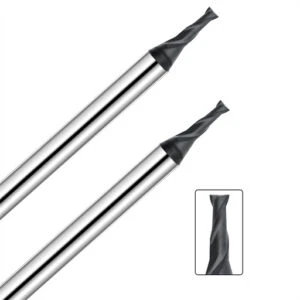
Long-term success in automotive mold manufacturing relies on maintaining process consistency rather than optimizing isolated cutting passes. Every parameter—from raw graphite grade selection to toolpath generation and speed-and-feed tuning—directly dictates final EDM spark erosion quality. Implementing an integrated graphite machining system ensures seamless technical alignment between machine tools, cutting geometry, and shop-floor expertise.
Field experience across complex cavity and high-volume electrode runs proves that process stability yields higher profitability than chasing short-term feed rates. If your shop experiences dimensional drift, inconsistent tool wear, or cycle time bottlenecks, audit your entire electrode manufacturing workflow. Aligning tool specifications, graphite grade properties, and cutting parameters with your shop environment delivers predictable, high-precision results.
Summary of the Value of Graphite Electrodes for Automotive Molds
High-precision graphite electrodes bridge the critical gap between CNC milling and EDM cavity erosion in automotive tooling. A top-tier electrode must deliver exceptional profile accuracy, sharp detail reproduction, and predictable wear rates during discharge machining. On complex interior or exterior body panel molds, electrode quality directly dictates cavity surface finish, bench-fitting time, and total manufacturing lead times.
Achieving superior EDM performance requires careful upfront planning regarding stock allowance distribution, toolpath selection, and finishing strategies. Many on-site EDM failures stem from minor errors accumulated during initial electrode milling. Evaluating client material grades, CAD geometries, and delivery targets allows application engineers to build tailored milling processes optimized for demanding shop environments.
Summary of Selection Logic for Graphite End Mills and Cutting Tools
Selecting specialized tooling remains the cornerstone of high-yield graphite electrode production. Different cavity depths, tolerance zones, and graphite densities require specific cutter geometries. Roughing operations demand heavy stock removal and fast dust evacuation, whereas finishing passes require high core rigidity, ultra-sharp edges, and wear-resistant coatings to protect delicate electrode features.
Engineers must evaluate specific application demands rather than relying on off-the-shelf tooling metrics. Assessing pocket depths, tool overhang ratios, machine dynamics, and diamond coating specs helps resolve issues like chatter, edge chipping, and rapid size drift. Applying purpose-built graphite end mills guarantees tight tolerances and repeatable surface quality throughout long production cycles.
Building a CNC Graphite Machining Solution to Boost Future Mold Manufacturing Efficiency
As modern automotive components feature increasingly complex 3D profiles, traditional trial-and-error machining strategies no longer suffice. A comprehensive CNC graphite machining solution addresses total manufacturing efficiency by balancing cutting speed, process repeatability, and overall tooling costs. Documenting real-time cutting data and optimizing shop workflows enables manufacturers to establish highly competitive production systems.
Upgrading your electrode production begins by targeting primary shop-floor bottlenecks—such as excessive finishing cycles, high tool consumption, or chatter in deep pockets. Recording empirical machining data creates an invaluable knowledge base for continuous process improvement. Partnering with experienced technical specialists ensures your graphite machining operations deliver long-term reliability and exceptional mold quality.
FAQ: Automotive Mold Graphite Machining
In our engineering support work with automotive mold shops, questions around graphite electrode machining extend beyond basic tool selection. Resolving shop-floor issues requires evaluating material grades, machine rigidity, toolpaths, and target EDM spark gaps. Because mold geometries and production schedules vary, cutting strategies must adapt directly to your specific machining environment.
The following questions highlight common obstacles encountered during process optimization. Whether you are selecting premium raw graphite, matching specialized cutting tools, or stabilizing CNC operations, decisions should rely on sound engineering data. Addressing these core factors reduces trial-and-error costs and establishes a highly reliable graphite machining process.
What is the best graphite electrode for automotive mold machining?
No single graphite grade serves as a universal solution for every automotive mold application. Large exterior panel molds require high material removal rates and thermal stability, whereas intricate interior trim molds demand fine-grain isotropic graphite to reproduce micro-features. Engineers must select raw graphite based on particle grain size, flexural strength, density, and required EDM cavity detail.
Evaluating electrode size, tolerance limits, and cavity depth helps determine the ideal raw material. For high-precision applications, batch-to-batch material consistency matters far more than low upfront stock costs. Matching the graphite grade properties directly to the workpiece geometry ensures predictable cutting performance and superior EDM burn results.
Which graphite end mill is suitable for CNC graphite machining?
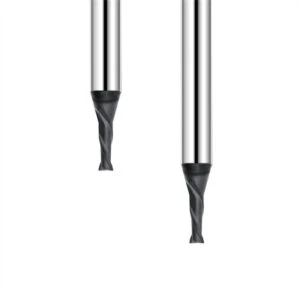
Achieving optimal milling results depends on matching cutter geometry directly to the machining pass type. Roughing, semi-finishing, and high-speed finishing operations each require specific relief angles, flute geometry, and diamond coating specs. Selecting the right graphite end mill involves analyzing workpiece hardness, cavity depth, and machine spindle capabilities.
In volume electrode production, engineers should prioritize consistent tool life and surface quality over short-term cutting speed. Utilizing purpose-built graphite end mills tailored to specific process passes minimizes edge chipping and micro-cracking. Fine-tuning parameters based on dynamic spindle limits delivers a stable, repeatable CNC graphite machining workflow.
Why use long-reach graphite milling cutters for mold electrode machining?
Deep cavity pockets and tall, narrow ribs are common features in automotive dashboard and door panel molds. Standard cutters often fail to reach deep pocket bottoms, leading to holder collision, severe chatter, and poor wall finishes. Utilizing long-reach graphite milling cutters with reinforced shanks provides necessary clearance while maintaining tool rigidity.
Deploying extended-reach cutters successfully requires managing length-to-diameter ratios, chip loads, and deflection harmonics. Increasing tool overhang without adjusting radial stepover elevates cutter vibration and tool breakage risks. Combining rigid long-reach tools with high-speed trochoidal toolpaths ensures smooth wall finishes and precise deep-cavity electrode manufacturing.
How does a graphite machining system improve machining accuracy?
High-precision electrode milling results from integrating tool geometry, machine dynamics, process parameters, and dust management into a unified workflow. Attempting to fix dimensional drift solely by upgrading machine hardware rarely works if cutter wear, dynamic deflection, and thermal expansion remain uncontrolled. Implementing an integrated graphite machining system resolves process variation from a holistic perspective.
Improving electrode accuracy begins by standardizing tool offset management, parameter tables, vacuum dust extraction, and in-process inspection. Establishing closed-loop process control minimizes human error and stabilizes batch tolerances. This systematic approach transforms volatile shop operations into a highly predictable, repeatable CNC graphite machining solution.