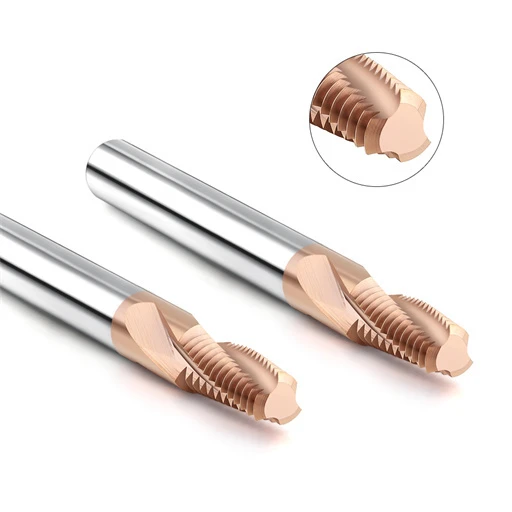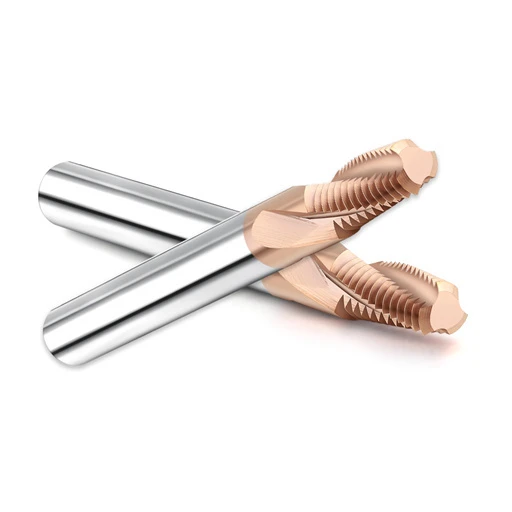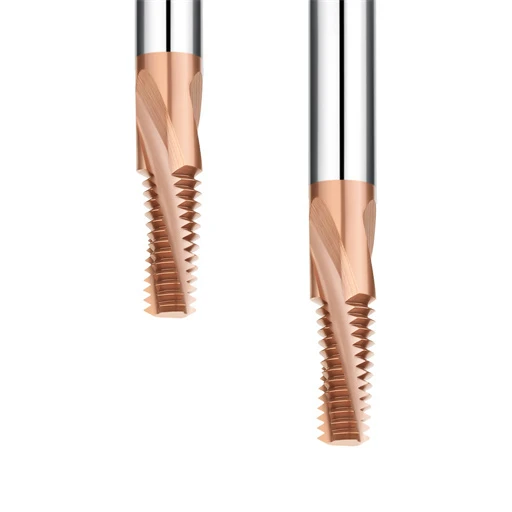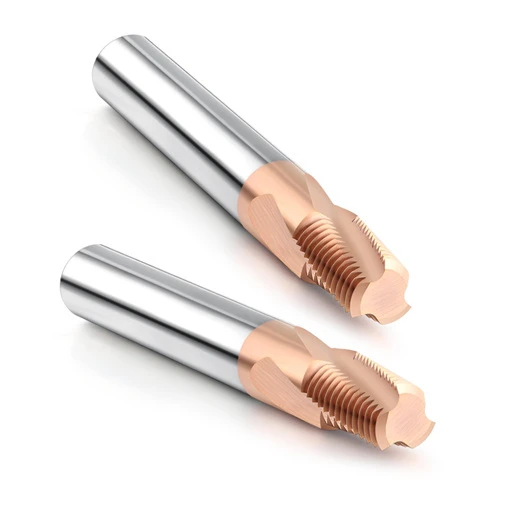
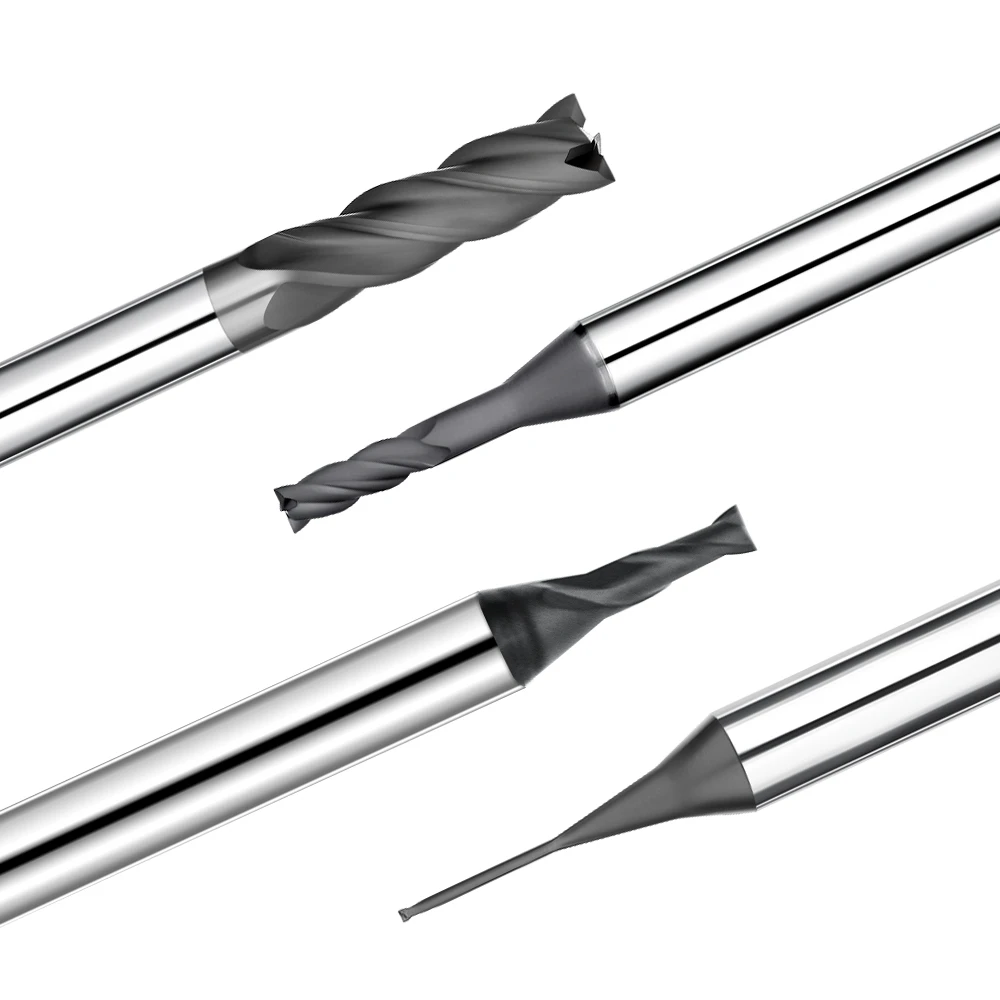
When optimizing graphite electrode projects for clients, we frequently tackle a common challenge. While precision requirements get stricter, traditional milling methods struggle to balance tool life, surface quality, and cycle time. A recent client manufacturing mold electrodes needed to mass-produce high-precision parts with deep cavities and micro-radii. During early tests, standard carbide tools wore down rapidly during continuous graphite CNC milling. Dulledeg cut dimensions, causing inconsistent performance in downstream EDM processes.
After auditing the entire workflow, we found the issue was not just the material itself. It stemmed from friction within the complete graphite machining system. Every factor—from material selection and tool geometry to cutting parameters and dust management—directly impacts overall output. Addressing these variables holistically is the key to achieving long-term dimensional stability and operational efficiency.
For graphite electrode production, we strongly advocate for dry machining of graphite over wet cutting. Introducing liquid coolant creates a thick abrasive slurry with graphite powder, which clogs machine filters and damages guide rails. Dry cutting eliminates this mess while simplifying dust collection and protecting sensitive machine components.
However, running dry requires a rigid setup and tight process control to maintain thermal stability. Success depends heavily on choosing the right graphite end mill optimized for your specific cut depth and feature complexity. Proper air-blow systems must also be tuned to clear chips immediately without dispersing airborne dust.
Deep-cavity electrodes require specialized tool designs to prevent chatter and deflection. We often deploy long-neck graphite end mills to reach deep slots while keeping tool interference to a minimum. For micro-features, high-precision micro graphite end mills deliver the exact tolerances needed for intricate mold details.
Tool coatings and edge geometries also dictate overall process reliability. Diamond coatings (CVD) drastically reduce abrasive wear and prolong tool life during dry cutting. Selecting optimized flank angles and flute designs further ensures smooth chip evacuation and cleaner surface finishes.
A “one-size-fits-all” tooling approach fails as demand grows for complex semiconductor parts and precision molds. Achieving peak efficiency requires a tailored strategy that aligns tool choice with your specific CNC machine capabilities and material grades. Custom tooling designs often yield the highest ROI for high-volume manufacturing lines.
By partnering with an experienced graphite milling tool manufacturer, shops can access specialized cutters tailored to their unique workloads. This collaboration reduces trial-and-error scrap rates while maximizing throughput. If your shop struggles with rapid tool wear or dust control, optimizing your tooling strategy is the logical next step.
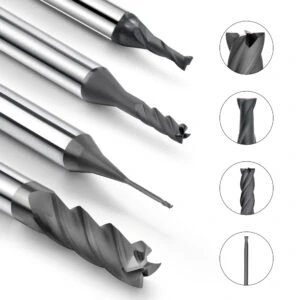
What is Graphite Dry Milling? Applications in CNC Graphite Milling
In our graphite electrode projects, clients usually focus on tool life and cutting speeds first. However, long production runs show that process stability actually depends on your machining method. We recently streamlined operations for an electrode manufacturer who suffered from dust buildup, rapid wear, and size variations. By switching them to a graphite dry milling strategy, we stabilized production through optimized tool geometry and parameter tuning.
Graphite dry milling is far more than just turning off the coolant valve. It is an integrated strategy that balances material behavior, cutter design, and shop environment. In high-precision CNC graphite milling, success relies on controlling abrasive dust, maintaining edge sharpness, and executing clean toolpaths. Focusing solely on aggressive feeds and speeds will never solve underlying stability issues.
Principles and Characteristics of Dry Machining in the Graphite Cutting Process
Analyzing material removal mechanics is essential before setting up any graphite cutting process. Because graphite is inherently brittle, tools shear the material by fracturing its micro-granular structure rather than forming continuous metal chips. Consequently, maintaining sharp cutting edges, providing ample flute clearance, and minimizing tool-to-workpiece friction are non-negotiable.
We combine dry cutting with high-speed milling, rigid workholding, and high-vacuum extraction systems. Unlike metalworking that relies on coolant to drop temperatures, graphite processing focuses on clearing abrasive dust away from the tool-workpiece interface. We always customize rake and relief angles based on graphite grain size and density rather than using generic tooling settings.
Why Graphite CNC Milling Typically Employs Dry Machining
Experienced machinists prefer dry processing because graphite behaves unlike any metallic alloy. Introducing liquid coolant into graphite CNC milling transforms dry dust into a sticky slurry, which clogs filtration systems and ruins machine ways. Dry cutting keeps the work area cleaner, simplifies dust extraction, and protects precision CNC components from premature wear.
Of course, going dry requires matching your setup to workpiece geometry and depth. Machining deep cavities demands long-reach end mills paired with targeted air-blows to clear deep slots. For simple contouring, the goal shifts toward balancing removal rates with edge longevity. Choosing the right cutting philosophy always trumps chasing raw spindle speed.
The Impact of Graphite Dry Milling on Machining Precision, Dust Control, and Tool Life
We evaluate any graphite dry milling process by batch consistency, not just single-tool output. Proper process control delivers uniform dimensions across large runs while drastically reducing bench-top polishing and EDM rework. Eliminating process variables early saves significant time and money during final quality control inspections.
Dust management directly governs dimensional accuracy and overall cutter survival. Poor chip evacuation traps hot, abrasive powder around the cutting edge, accelerating flank wear and causing edge chipping. By combining premium carbide substrates with diamond coatings, we help shops tackle narrow slots and micro-details with total confidence. Have you ever struggled with batch-to-batch variations despite getting great results on your first test part?
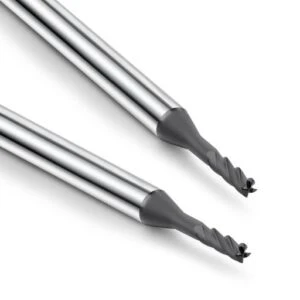
Graphite End Mill Selection: Key Factors Influencing Graphite Dry Milling Performance
In our graphite electrode projects, clients often attribute erratic results to the material’s difficult nature. However, on-site troubleshooting usually reveals a tool mismatch. A mold shop we assisted used standard carbide cutters for continuous production. Initial parts met print, but dimensions drifted as the tool wore down, ultimately ruining precision EDM results downstream. Re-evaluating tool geometry and cutter substrates restored process stability immediately.
A cutting tool is not an isolated component during graphite dry machining; it is the vital link in your system. We evaluate tool setups by analyzing graphite density, grain size, cut depth, and target surface finish. Roughing calls for rapid material removal, while finishing demands extreme edge retention. Choosing the correct cutter type always yields better results than simply cranking up feed rates.
Selecting the Right Graphite End Mill Based on Material Characteristics
Before selecting tool geometries, we analyze the specific graphite grade and job goals. Graphite variants—like high-purity, fine-grain, and electrode-grade stock—differ widely in hardness and abrasiveness. Ignoring these material properties leads to rapid flank wear or edge chipping. Choosing the right graphite end mill requires matching cutter features to both workpiece geometry and grain structure.
When milling large electrodes, we prioritize core rigidity and large flute volume for quick dust evacuation. For small features or complex contours, maintaining tight dimensional tolerance is the top priority. We never rely on a single cutter style for every job; selecting tailored diameters, flute counts, and lengths forms the bedrock of reliable machining.
Advantages of Diamond Coated Graphite End Mills in Dry Machining
Tool wear resistance directly determines your profitability during continuous production runs. Because graphite dust acts like an abrasive compound, un-coated carbide tools lose their cutting edge rapidly during high-speed dry operations. For extended cycle times, we always recommend diamond coated graphite end mills to extend tool life and hold tight tolerances.
However, selecting coated tools involves looking beyond simple product labels. You must evaluate CVD diamond quality, substrate adhesion, and real-world shop conditions. High-precision electrode work demands razor-sharp edges and thermal stability, whereas mass production prioritizes wear longevity. The right diamond coating drastically reduces tool changes while maintaining dry machining stability.
The Impact of Flute Count, Helix Angle, and Chip Evacuation Design on Graphite Machining Efficiency
Tools with the same outer diameter can perform drastically differently due to internal geometry. Parameters like flute count, helix angle, and core thickness dictate cutting forces, dust extraction speed, and surface finish. In practical applications, we tailor cutter architecture to the specific milling strategy rather than sticking to a default tool spec.
For instance, roughing passes require open flute pockets to prevent dust pack-up around the cutting zone. Finishing passes demand higher flute counts and rigid cores to prevent tool deflection. Optimizing tool geometry boosts overall graphite machining efficiency while eliminating variations caused by trapped debris. Correct tool alignment with actual cutting conditions makes all the difference in batch consistency.

Application of Long Neck Graphite End Mills in Deep-Cavity Graphite CNC Milling
Deep cavity features remain one of the trickiest challenges in graphite electrode production. A mold-making client once struggled with intricate, deep-pocket electrodes. Standard-length cutters handled roughing fine, but deeper zones caused severe chatter, holder interference, and tool deflection. Troubleshooting on the shop floor showed the issue was not machine rigidity, but rather an improper tool length and reach strategy.
We resolved this bottleneck by deploying long neck graphite end mills tailored to the pocket geometry. The relieved neck design reaches deep features without shank rubbing, keeping tool holder interference to a minimum. However, managing the length-to-diameter (L/D) ratio is critical. Excessive overhang reduces rigidity, so balancing reach with core strength is essential for tight tolerances.
Solving Interference Issues in Deep Cavity Machining with Long Neck Graphite End Mills
Deep cavity failures often stem from poor spatial clearance rather than a lack of cutting power. Standard tools are blocked by pocket walls, restricting toolpaths and leaving un-machined rest material in complex electrodes. Strategically introducing long neck graphite end mills eliminates collision risks and unlocks efficient 3-axis and 5-axis toolpaths.
We select tool overhangs based on cavity depth, corner radii, and machine setup. For deep, narrow ribs, we pair small cutting diameters with rigid, tapered necks. For high-precision floors and walls, we strictly limit overhang to prevent vibration from ruining dimensional accuracy. Finding the sweet spot between clearance and stiffness is key to successful deep pocketing.
Enhancing Stability in Deep -Cavity Graphite Machining through Tool Structure Optimization
Long reach alone does not guarantee stable deep-pocket milling; structural tool design plays a decisive role. One client switched to a longer tool for deep slots but saw no improvement due to poor core rigidity. The cutter suffered from vibration and left heavy chatter marks. We restored cutting stability by adjusting the web thickness, helix angle, and feed parameters.
Stable deep-cavity milling demands strong core support, robust cutting edges, and sufficient flute space. A well-engineered tool dampens vibration and prevents abrasive dust from clogging deep slots. When tackling complex graphite molds, evaluate the entire machining system rather than relying solely on tool reach.
The Impact of Long-Reach Graphite Milling Tools on Machining Precision and Surface Quality
Tool deflection directly impacts part accuracy as cutting depth increases. If a cutter lacks core stiffness, slight bending under load causes taper errors and inconsistent wall finishes, even if the program coordinates are correct. When specifying long-reach graphite milling tools, we always balance cutting forces against targeted tolerance limits.
Using long-reach tools correctly provides seamless access to complex geometry while maintaining consistent surface finishes. However, we only use extended tools when necessary, preferring short, stub-length tools for shallow areas to maximize rigidity. Matching tool reach strictly to cavity depth ensures both high precision and optimal efficiency across batch runs.

Application of Micro Graphite End Mills in High-Precision Graphite Machining
Micro-scale features present a tough challenge for process stability in precision graphite shops. A client manufacturing EDM electrodes with narrow ribs and tiny corner radii faced constant micro-chipping, size variations, and rough finishes using standard cutters. Troubleshooting revealed the root cause: a clear mismatch between cutter size, tool rigidity, and localized cutting forces.
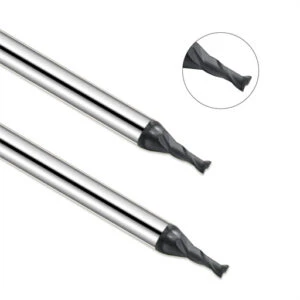
We solved this issue by integrating micro graphite end mills into their finishing strategy. Small-diameter cutters excel at picking out fine details, but they demand ultra-low spindle runout, rigid setups, and precise parameter control. We focus on balancing the entire machining environment rather than simply picking the smallest cutter available.
Machining Micro-Electrodes and Precision Graphite Parts with Micro Graphite End Mills
Micro-scale electrodes are exceptionally sensitive to subtle changes in cutter condition. Even minor cutting edge wear compromises spark gaps, ruins discharge performance, and causes mold dimensional drift. Choosing the right micro graphite end mill based on feature complexity allows shops to execute tight slots, micro-ribs, and intricate profiles with confidence.
However, we never deploy ultra-small tools without verifying feature necessity. Oversized tools cannot enter tight pockets, but undersized tools lack core rigidity and invite vibration. Successful micro-electrode machining requires balancing shank diameter, flute length, stock allowance, and toolpaths to maximize tool performance.
Enhancing Dimensional Accuracy with Micro-Diameter Graphite Milling Tools
Dimensional control on small graphite components relies heavily on tool selection alongside CNC precision. While large cutters struggle with delicate geometry, micro-diameter graphite milling tools provide the access needed for high-precision finishing. They give machinists the flexibility to cut complex profiles without crowding narrow features.
However, maintaining batch consistency is far more critical than achieving a tight tolerance on a single test part. Insufficient cutter rigidity or aggressive feed rates cause dimensional drift as the tool wears during long production runs. We protect dimensional accuracy by refining tool geometry, controlling chip loads, and applying gentle, high-speed finishing passes.
Mitigating Tool Wear in Micro Graphite Milling
Tool wear is the primary enemy when dry machining tiny graphite features. Graphite’s abrasive nature quickly dulls delicate cutting edges on small cutters, leading to deflection or sudden tool breakage. Maintaining stable cutting conditions throughout the micro graphite milling process is essential to extending tool life and preserving detail.
Controlling micro-tool wear requires high-grade carbide substrates, optimized edge prep, and precise feed-per-tooth calculations. Efficient vacuum dust extraction is equally vital to keep abrasive powder from re-cutting in narrow slots. If your micro-features suffer from premature tool wear or size drift, reviewing your overall setup balance usually reveals the fix.
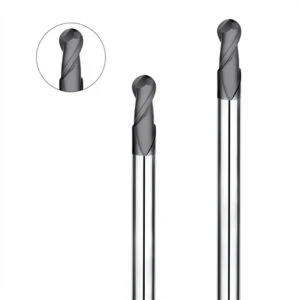
Graphite Machining System: Building a High-Efficiency Dry Graphite Milling Solution
In our shop consultation projects, clients often start by swapping cutters or adjusting feed rates. However, optimizing a single parameter rarely solves systemic bottlenecks once production scales up. An electrode manufacturer we assisted used identical tools and speeds across all jobs. As order volumes grew, they suffered from extended cycle times, unpredictable tool life, and drifting dimensions.
Troubleshooting showed that production bottlenecks stemmed from poor synergy between machine rigidity, tooling, parameters, and dust handling. We resolved these issues by taking a holistic approach to their graphite machining system, optimizing the entire dry machining workflow. For shops producing high-volume mold electrodes or precision semiconductor parts, upgrading your system architecture yields far better results than tweaking isolated variables.
Synergistic Optimization of Machine Tools, Tools, and Parameters within the Graphite Machining System
We rarely recommend changing cutters without evaluating spindle runout, workholding rigidity, and machine acceleration settings first. One client purchased premium diamond tools but saw minimal performance gains because their toolpaths and parameters mismatched cutter geometry. Every component inside a high-performing graphite machining system must work in perfect sync.
We tailor cutting strategies to specific part features and stock allowances. Roughing passes focus on rapid material removal rates and fast dust evacuation, while finishing strategies prioritize light chip loads to preserve delicate edges. Aligning machine dynamics with specialized tool geometries eliminates process instability across long production runs.
Enhancing Machining Stability through Graphite Cutting Process Optimization
Many shop floor issues stem from machining strategies that treat brittle graphite like ductile metal alloys. Graphite generates fine abrasive dust rather than chips during cutting; improper toolpaths or weak vacuum airflow quickly damage cutting edges and ruin surface finishes. Analyzing the entire graphite machining process is essential for long-term stability.
When milling complex mold electrodes, we customize toolpaths for each zone—optimizing roughing stock, smoothing finishing transitions, and managing corner engagement. We also match spindle speeds to the graphite grain structure to maintain continuous shear action. If you struggle with part-to-part variation or premature edge wear, auditing your overall process strategy is the best way forward.
Methods to Enhance Graphite Machining Efficiency in Dry Machining Environments
Boosting throughput in dry cutting environments requires more than just pushing spindle speeds to the limit. Chasing aggressive feed rates without proper process balance accelerates cutter wear, leading to frequent tool changes and increased net downtime. True dry machining efficiency relies on balancing tool life, vacuum extraction capability, and machine cycle rhythm.
Our strategy combines wear-resistant diamond tooling with optimized step-overs and smooth arc entry paths. Using long-reach tools for deep cavities and micro-cutters for fine ribs keeps cutting loads low while maximizing feed speeds. For shops upgrading their dry milling lines, continuous micro-adjustments across the system deliver sustainable efficiency gains.
How to Choose a Reliable Graphite Milling Tools Supplier for Custom Machining Solutions
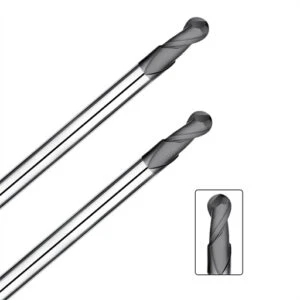
When troubleshooting graphite projects, shops often try to solve cutting issues by simply switching tool brands. However, real-world success relies far less on the cutter brand and much more on matching tool geometry to your specific setup. A mold manufacturer we assisted struggled with tool life and dimensional drift during continuous batch runs of deep-pocket electrodes. Standard off-the-shelf tooling simply could not handle the job.
Rather than recommending generic catalog cutters, we analyzed their workpiece material grade, spindle specs, toolpaths, and target tolerances first. When evaluating a graphite milling tool supplier, prioritize their deep understanding of the cutting process over their stock inventory. A true technical partner offers application engineering, custom geometries, and trial validation to solve your toughest shop-floor bottlenecks.
Essential Tool R&D Capabilities for Graphite Milling Tool Suppliers
Graphite cutters cannot be re-badged metalworking tools. Because graphite is extremely brittle and abrasive, factors like carbide grain size, edge preparation, flute volume, and coating adhesion dictate success. When vetting a graphite milling tool supplier, we scrutinize their R&D capabilities and engineering expertise in developing specialized cutter geometries.
High-precision electrode work demands razor-sharp edge hone and pitch stability, whereas large structural components require high core stiffness for heavy material removal rates. A capable supplier demonstrates true R&D strength by tailoring tool diameters, neck relief angles, and flute geometries directly to your machine dynamics and target graphite grade.
Custom Graphite Machining Tools to Meet Specialized Machining Needs
There is no “one-size-fits-all” cutter for high-end graphite components. Precision shops frequently tackle micro-ribs, deep cavities, or ultra-high aspect ratios where standard catalog tools fail to balance surface finish with cycle time. In these demanding applications, custom graphite machining tools offer the highest return on investment.
We develop tailored tooling solutions by optimizing core tapers, flute counts, chip clearances, and specialized CVD diamond coatings. Customization aims to solve specific failure modes experienced with off-the-shelf end mills. For shops cutting complex graphite components, applying custom-engineered tooling yields far more consistent results than adapting workpieces to standard cutters.
A Comprehensive Graphite Machining Solution: From Tool Design to Machining Trials
Delivering a cutter box to your shipping dock does not guarantee successful production. We assisted a client who bought top-tier diamond cutters but failed to achieve target tool life because their feeds, speeds, and vacuum dust extraction were misaligned. Long-term process stability was only achieved after we re-engineered their toolpaths and cutting parameters on the shop floor.
We strongly advocate for a complete graphite machining solution that encompasses material testing, tool selection, test cuts, and parameter tuning. For shops mass-producing electrodes or semiconductor parts, a supplier who provides on-site validation and continuous optimization brings far more value than a simple tool vendor. Have you ever bought high-end cutters that worked great in testing but failed during full production runs?
Creating an Efficient Graphite Machining System by Optimizing Graphite End Mills
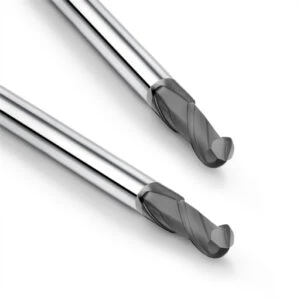
Years of high-precision electrode and component production prove that stable graphite output requires a multi-faceted approach. Real-world case studies show that dry graphite machining success relies heavily on tool choice, parameter tuning, machine condition, and dust extraction. While shops often focus on raw cutting speed initially, batch production proves that tool life, repeatability, and size control are the real drivers of profitability.
When optimizing graphite workflows, we evaluate the complete machining system rather than swapping out single cutters. If you face premature tool wear, deep-pocket chatter, micro-feature chipping, or erratic cycle times, review your material density, part geometries, and current toolpaths holistically. Partnering with application engineers to analyze part drawings and machining environments always yields a clearer, more effective optimization path.
The Core Value of Dry Graphite Machining in Boosting Efficiency
The primary value of dry cutting lies in creating an ultra-stable manufacturing environment rather than simply avoiding coolant disposal costs. In precision electrode manufacturing, synchronizing high-vacuum dust control with optimized tool selections eliminates process variations and protects sensitive CNC machine components across long production runs.
If your shop experiences inconsistent tool life, drifting surface finishes, or excessive downtime for cutter swaps, assess your overall dry cutting balance. Pushing feeds and speeds on unbalanced setups only accelerates tool failure and scrap rates. We consistently achieve higher throughput by adjusting tool geometries, refining step-overs, and tailoring strategies directly to the graphite grade.
Summary of Optimization Logic for Graphite End Mill Selection
Most machining defects trace back to mismatched tooling strategies. Whether deploying long-neck graphite end mills for deep pockets or micro-diameter cutters for delicate details, the ultimate goal is matching cutter performance to job requirements. Selecting the correct end mill directly governs cutting efficiency, dimensional accuracy, surface finish, and shop-floor productivity.
When reviewing your tooling strategies, evaluate your graphite grain structure, pocket depths, tolerance bands, and order volumes. No single end mill geometry solves every shop challenge. We always recommend building a versatile tooling portfolio tailored to your real-world cutting conditions rather than buying standard catalog tools based on price alone.
Partnering with a Specialized Graphite Milling Tool Supplier for Long-Term Machining Success
A truly reliable tooling partner must understand actual shop-floor mechanics, not just catalog sales. This technical support is vital when machining complex graphite components, where every phase—from initial cutter R&D and trial validation to parameter optimization—directly dictates part quality and total process yield.
If you are setting up a new graphite line or struggling with unstable production, compile your material specs, part drawings, and current process parameters for an engineering review. Consulting with an experienced graphite milling tool supplier reveals high-impact optimization strategies that simple cutter swaps cannot match. Building a customized, stable machining system is the ultimate foundation for long-term production success.
FAQs on Dry Machining of Graphite
When consulting with clients, we notice that cutting problems rarely appear during initial trial cuts. Instead, bottlenecks emerge once continuous batch production begins. Engineers often ask why the same machine and graphite grade produce vastly different results across shops. Years of troubleshooting prove that dry machining of graphite success depends on synchronizing cutter selection, parameter tuning, material density, and dust control.
Evaluating dry cutting strategies requires looking far beyond basic feeds and speeds. Engineers must analyze how machine dynamics, cutter geometries, and pocket depths interact under load. If you are developing a custom process for complex electrodes or semiconductor components, reviewing part prints and material specs together reveals the most reliable tooling solution.
What is the best graphite end mill for dry graphite milling?
There is no universal “best” tool for every shop setup. High-density electrode grades and coarse industrial graphite place completely different demands on cutting edges. Roughing passes call for high material removal rates and fast dust evacuation, while high-precision finishing requires extreme edge retention, diamond coatings, and minimal runout.
When selecting cutters for dry graphite milling, evaluate carbide substrate quality, flute design, and core rigidity alongside coating type. High-wear diamond-coated cutters excel on high-precision electrodes, whereas deep slots demand optimized neck clearance to prevent vibration. Matching cutter specifications to specific job requirements always beats chasing generic tool specs.
How does graphite end mill selection affect machining efficiency?
Efficiency drops usually stem from mismatched tool geometries rather than machine tool limits. Cranking up feed rates on improper cutters causes premature edge wear, micro-chipping, and frequent tool changes, ultimately increasing total cycle times. True productivity comes from holding tight tolerances consistently across long batch runs.
Choosing the right graphite end mill optimizes material removal, tool life, and surface finish simultaneously. To boost shop efficiency, analyze your failure modes first—looking closely at flank wear, chatter marks, and tool-change intervals. Adjusting cutter geometries, coating specs, or toolpath strategies often yields immediate throughput gains.
Why use long neck graphite end mills for graphite electrode machining?
Deep cavities and narrow ribs severely restrict standard cutting tool access. Standard length cutters often suffer shank rubbing against pocket sidewalls, forcing awkward toolpaths, increasing vibration, and risking edge chipping. Deploying long-neck graphite end mills provides crucial clearance in deep features while keeping the cutter shank safe from interference.
When running long-reach cutters, balancing neck diameter, relief length, and core rigidity is critical. Extended reach reduces cutter stiffness, making overhang control essential to prevent chatter and dimensional drift. We select neck specs based on pocket depth and material hardness to maintain rigid cutting conditions in deep zones.
How can graphite CNC milling accuracy be improved?
High-precision graphite CNC milling relies on system-wide process stability rather than machine accuracy alone. Thermal expansion, cutter wear, weak vacuum airflow, and spindle runout all cause dimensional drift. Controlling edge wear and minimizing deflection during dry cutting are the secrets to holding tight tolerances.
To fix size variations, evaluate tool wear patterns alongside your cutting parameters first. Premium diamond-coated cutters, rigid toolholders, optimized chip loads, and targeted vacuum extraction prevent abrasive dust re-cutting. Reviewing part blueprints and material grades helps identify process adjustments tailored directly to your shop environment.