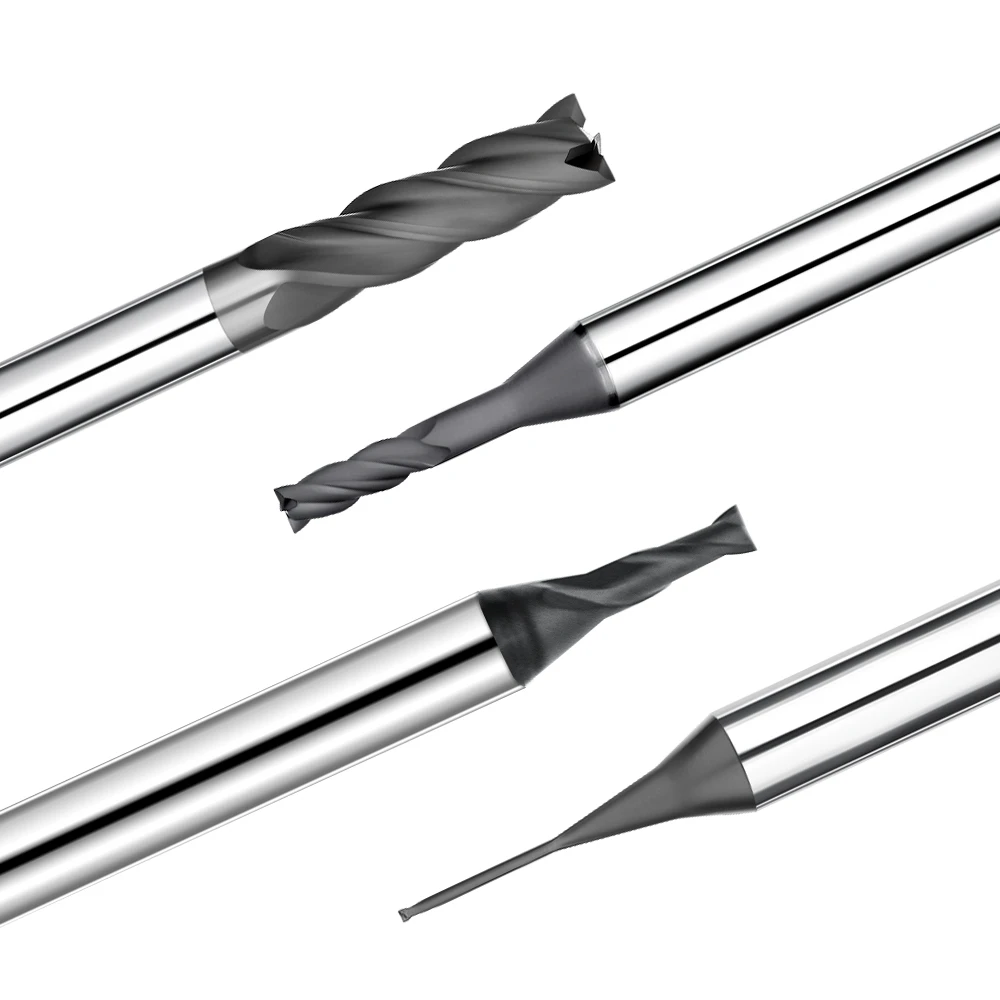
In practical project optimization, we often see a recurring issue: shops run into varying results when swapping tools, even while keeping the same cutting parameters. We once consulted for a mold manufacturer producing high-density graphite EDM electrodes. During initial trials, they used 2-flute graphite end mills for cavity roughing and semi-finishing. While these tools completed the pass, they left visible chatter marks, caused poor dimensional stability, and suffered from premature tool wear.
To resolve this, we re-evaluated their tool selection strategy and switched the process to a high-performance 4-flute graphite end mill. The updated process yielded superior cutting stability, minimized tool deflection, and delivered a cleaner surface finish on the electrodes. This case, alongside years of CNC graphite machining experience, proves an essential point: success is not just about aggressive feeds and speeds. It requires matching tool geometry to material properties and machining stages.
When selecting graphite tooling, engineers often focus heavily on tool diameter, diamond coating, or unit price, while overlooking flute count. In practice, flute density dictates edge engagement, chip evacuation balance, and overall process rigidity. For precision electrode production, a properly configured 4-flute graphite end mill offers an ideal balance between material removal rate, accuracy, and extended tool life.
That said, 4-flute designs are not a universal cure-all for every shop floor scenario. Our field testing shows that graphite grades, electrode geometry, and operations dictate tool choices. For instance, deep slot roughing prioritizes rapid graphite dust evacuation, whereas finishing demands minimal burring, edge integrity, and long-term wear resistance.
When analyzing 2 flute vs 4 flute graphite end mills, the key question is determining where each geometry delivers maximum production value. By choosing the right tool profile, machine shops can significantly enhance overall graphite machining efficiency, lower tooling expenses, and ensure consistent quality.
Drawing from hands-on shop-floor data, this article analyzes how tool geometry, dust evacuation, and stability affect performance—and why a 4-flute graphite end mill is often the optimal choice. Have you ever encountered a setup where standard parameters yielded unexpected surface defects or premature wear?

The Role of 4 Flutes Graphite End Mills in CNC Graphite Machining
In precision shop operations, tool selection is driven by process stability and surface integrity rather than upfront cutter costs. A mold-making client once noted that identical graphite grades yielded completely different tolerances when switching tool profiles on the same mill. During long unattended runs on complex EDM electrodes, improper geometry rapidly led to edge chipping, premature flank wear, and unacceptable dimensional drift.
Through years of CNC graphite machining field testing, we identified flute count as a core lever for cutting performance. Switching to a high-rigidity 4-flute graphite end mill stabilizes cutting forces, eliminates high-frequency chatter during semi-finishing, and protects delicate electrode edges. However, optimal results still require matching tool core thickness, machine rigidity, and chip loads to your specific graphite density.
What is a 4 Flutes Graphite End Mill?
A 4-flute graphite end mill is not just a standard end mill with extra flutes; it features specialized core strength and dust-channel geometry built for abrasive material. The additional cutting edges distribute chip loads more evenly across the tool circumference. This reduced chip load per tooth minimizes material shock, preventing micro-chipping on fragile electrode features.
In our performance benchmarks, 4-flute geometries consistently outperform 2-flute designs when tight tolerances and fine surface finishes are paramount. When contouring thin-walled electrodes or intricate cavity ribs, increased radial stiffness directly prevents tool deflection. For heavy volumetric roughing, however, tool paths and flute selection must be adjusted to balance dust removal with rigidity.
Why Does Graphite Machining Require Specialized End Mills?
Machining graphite with standard aluminum or steel end mills is a common mistake that leads to fast tool failure. Although graphite cuts easily, its brittle structure produces highly abrasive fine dust rather than continuous metal chips. Standard end mills lack the relief angles and diamond coatings required to resist severe abrasive wear and edge degradation.
In our process optimization consulting, we evaluate carbide substrate quality, edge sharpness, and coat adhesion under dry cutting conditions. Without tailored tool geometries, trapped abrasive dust causes intense friction, increasing temperatures and shortening tool life. Choosing a purpose-built graphite end mill is essential to maintaining stable thermal conditions and achieving consistent dimensional accuracy.
How Does the Number of Flutes Affect Graphite Machining Efficiency?
To boost throughput, experienced machinists optimize flute count rather than just pushing spindle speeds to their limits. In graphite applications, flute density directly impacts feed rates, cutting continuity, and power consumption. A well-designed 4-flute layout enables higher table feeds while maintaining a small chip load, maximizing material removal without sacrificing finish quality.
On high-precision electrode jobs, applying a 4-flute graphite end mill improves volumetric graphite machining efficiency while reducing cycle times. Achieving these gains requires syncing the tool with optimized trochoidal toolpaths and adequate air-blast dust extraction. When properly integrated into your machining strategy, the 4-flute design delivers high-speed performance and superior surface finishes.

Graphite End Mill Selection: Why Are 4-Flute Tools Preferred for Graphite Machining?
Machinists often ask why some shops rely on 2-flute cutters while high-precision electrode facilities standardize on 4-flute tools. On the production floor, tool choice depends on your specific machining goals, graphite grade, and feature geometry. When milling intricate EDM electrodes, maintaining process stability and tight dimensional hold over long continuous runs takes precedence over raw feed rates.
Selecting the ideal graphite end mill requires evaluating core thickness, machine tool rigidity, edge geometry, and chip clearance. For finishing operations that demand mirror-like surface finishes and tight tolerances, a 4-flute profile delivers optimal performance. Selecting the right cutter geometry directly improves overall graphite electrode machining efficiency, surface quality, and downstream spark-erosion accuracy.
The Importance of Flute Count in Graphite Machining
In our consulting experience, poor surface finishes usually stem from mismatched tool geometry rather than inadequate CNC machinery. Operators often default to 2-flute tools to speed up dust clearing, but long production passes can trigger severe chatter. Over time, this causes rapid flank wear, edge chipping, and unwanted dimensional drift on critical electrode dimensions.
Because abrasive graphite dust behaves differently than metallic chips, flute count dictates cutting force distribution and harmonic vibration. Selecting the optimal graphite end mill requires balancing each machining stage carefully. Roughing stages prioritize high-volume dust evacuation, whereas finishing passes require high core rigidity and continuous edge engagement to prevent micro-fracturing on sharp corners.
Cutting Stability Advantages of 4-Flute Graphite End Mills
In multi-cavity electrode trials, applying a 4-flute graphite end mill demonstrated superior dampening and cutting stability during fine finishing passes. Compared to low-flute options, a 4-flute cutter distributes radial cutting forces evenly across its circumference. This balance eliminates load spikes when machining thin-walled ribs, deep cavities, and complex 3D contours.
However, 4-flute tools require deliberate toolpath planning to optimize performance during deep slotting or heavy material removal. In high-efficiency graphite machining systems, engineers must match step-over values, air-blast pressure, and trochoidal paths to tool geometry. Balancing these variables ensures reliable chip evacuation while maximizing the natural rigidity of the 4-flute profile.
How Does the 4-Flute Design Improve Graphite Electrode Machining Quality?
When milling graphite EDM electrodes, true quality is measured by surface roughness, sharp edge retention, and predictable spark gap performance. The extra flutes on a 4-flute tool provide a lighter chip load per tooth at high table feeds. This continuous cutting action suppresses machine chatter, producing superior surface finishes that reduce manual polishing.
For precision mold shops, combining a 4 flutes graphite end mill with optimized speed and feed parameters ensures repeatable electrode geometry. Achieving consistent quality across long unattended runs relies on the entire machining system working in harmony. Understanding how flute geometry impacts cutting dynamics helps machine shops eliminate scrap and boost overall productivity.
2-Flute vs 4-Flute Graphite End Mills: Which Is Better for Graphite Machining?
Machinists frequently evaluate 2 flute vs 4 flute graphite end mills when optimizing production cycle times. A mold maker once tried to shorten lead times on EDM graphite electrodes by running 2-flute cutters at maximum feed rates. However, on intricate features and tight-tolerance corners, the tools produced rough surfaces and unacceptable corner breakdown. Our shop audit confirmed the machine had plenty of rigidity; the breakdown was entirely caused by mismatched tool geometry.
To solve this, we restructured their process into distinct roughing, semi-finishing, and finishing stages using targeted tooling strategies. Success comes down to balancing cutting forces, chip clearance, part precision, and overall tool life—not declaring one tool profile universally superior. Matching flute counts to specific operational goals is what delivers repeatable quality on the shop floor.
Advantages and Limitations of 2 Flutes Graphite End Mills
We still rely on 2-flute graphite end mills for heavy roughing passes, especially when evacuating large volumes of material. Deep, open flutes provide maximum chip pocket volume, allowing light, abrasive graphite dust to exit rapidly without packing. This makes 2-flute designs an ideal choice for roughing open cavities, high material removal rates, and non-critical surface features.
However, running 2-flute cutters on precision features exposes clear mechanical limitations. Fewer flutes mean a heavier tooth load, which increases tool deflection on thin ribs and fine contours. When pushed too hard during finishing, 2 flutes graphite end mills frequently introduce chatter marks, micro-chipping along delicate edges, and accelerated tool wear.
Advantages of 4 Flutes Graphite End Mills in Finishing
Finishing precision graphite electrodes demands maximum rigidity, minimal vibration, and long-term dimensional retention. A 4-flute graphite end mill keeps more cutting edges engaged in the material, distributing cutting forces evenly around the cutter body. This reduces individual tooth loads, yielding smoother cuts and protecting fragile electrode details during fine contouring passes.
In one multi-cavity electrode project, a client experienced cumulative dimensional drift as their batch runs progressed. By switching their finishing passes to a high-rigidity 4-flute tool and refining speed parameters, we eliminated drift and stabilized part dimensions across long unattended shifts. When surface finish, tight tolerances, and batch consistency matter most, 4-flute geometry is the industry standard.
How Do You Choose Between 2-Flute and 4-Flute Graphite End Mills Based on the Machining Stage?
Selecting the optimal end mill for graphite requires evaluating your material grade, part geometry, and process stage rather than sticking to a single cutter type. Roughing passes prioritize rapid material removal and dust evacuation, while finishing operations demand stiff core diameters, dynamic stability, and crisp edge retention. Designing a complete process flow yields better results than forcing one cutter type to do every job.
When optimizing your graphite machining setup, determine your primary process goal first: are you clearing bulk material quickly or finishing fine electrode geometry? A reliable rule of thumb is to leverage 2-flute tools for roughing efficiency and 4-flute cutters for finishing stability. Combining both tool profiles creates a balanced, highly efficient production environment.
How Do 4-Flute Graphite End Mills Enhance Graphite Machining Efficiency?
Boosting productivity in shop operations involves far more than pushing spindle speeds or feed rates. We once assisted a high-volume mold shop producing EDM electrodes that suffered from rapid cutter wear, inconsistent surface finishes, and dimensional drift after aggressively increasing feed rates. Our on-site audit revealed that their parameter adjustments were out of sync with the physical geometry of their cutters.
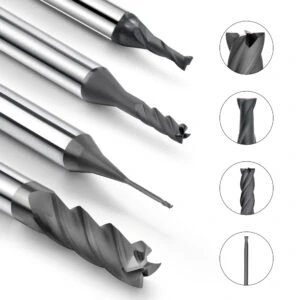
We restored process control by transitioning their strategy to targeted flute configurations, refined paths, and optimized chip loads. For intricate electrodes and tight-tolerance features, deploying a 4-flute graphite end mill optimizes force distribution and significantly improves overall graphite machining efficiency. Achieving these gains requires matching cutter specs to machine rigidity and workpiece density.
How Do More Cutting Edges Improve Material Removal Efficiency?
Evaluating throughput requires looking closely at how cutting loads are distributed across each tooth pass. Adding flutes allows more active cutting edges to engage the material simultaneously, lowering the mechanical load on any single tooth. During long production runs, this multi-edge engagement stabilizes cutting forces and eliminates tool failure caused by tooth overloading.
However, extra cutting edges only boost efficiency if chip clearance space is maintained. Maximizing metal removal rates requires balancing flute count with radial depth of cut, feed per tooth, and dust evacuation capacity. If tool geometry is mismatched with process parameters, dust can pack the flutes and cause catastrophic edge chipping.
How Does a 4-Flute Design Reduce Machining Vibration?
In precision CNC graphite machining, chatter directly destroys surface finishes and leads to scrap parts. We once audited a setup producing high-aspect-ratio electrodes where harmonic load spikes caused heavy chatter inside deep cavities, ruining downstream EDM burn accuracy. Re-engineering their tool selection and parameter setup permanently restored dynamic stability.
Under appropriate cutting conditions, a 4-flute cutter provides a near-continuous shear action that dampens mechanical vibration during engagement. This smooth cutting action prevents micro-fracturing on fragile features, especially when running long tool overhangs or thin-rib contours. Eliminating vibration ensures predictable dimensional accuracy across complex part geometries.
How Do 4-Flute Graphite End Mills Improve Surface Quality?
The surface texture of a finished graphite electrode dictates its performance during spark erosion, making cutter stability critical during finishing passes. Rather than focusing solely on cycle times, machinists must prioritize edge crispness, uniform surface finish, and batch repeatability. A rigid 4-flute graphite end mill delivers consistent cutting performance that minimizes hand-polishing time.
Cutter performance is only one piece of a successful graphite machining system. Spindle speed, chip-load per tooth, air-blast direction, and dust extraction must all work together seamlessly. When machining ultra-fine grain graphite or complex mold cavities, fine-tuning these variables through controlled test passes ensures maximum tool life and superior surface quality.
Graphite Dust Removal: How Do 4-Flute Graphite End Mills Improve Dust Control?
Dust management is a primary shop-floor concern during high-volume electrode production. A mold shop recently reported that abrasive fine dust packed guide ways and spindle seals, forcing frequent maintenance during continuous runs. While they initially blamed their vacuum extraction unit, an on-site audit showed that tool geometry, chip clearance channels, and parameters heavily influenced dust dispersion.
We resolved the issue by aligning tool geometry with vacuum airflow and optimized toolpath strategies. For high-precision projects, controlling dust relies on clean shearing actions rather than relying solely on high-powered vacuums. A successful graphite machining system integrates sharp edge preparation, proper chip load balance, vacuum evacuation, and spindle protection to ensure stable, long-term operation.
Why Does Graphite Machining Generate So Much Dust?
In field applications, dust creation directly relates to the brittle mechanical structure of synthetic graphite. Unlike ductile metals that yield continuous ribbon chips, graphite fractures into microscopic abrasive particles during cutting engagement. Worn tool edges or excessive compressive forces crush material into air-suspended dust rather than clean particulate chips.
When milling high-density electrodes, running dull cutters increases frictional heat and rubbing, dramatically raising airborne dust volume. Rather than relying purely on post-process cleaning, our engineers monitor cutting sound, spindle load, and surface finish to time tool changes before edge breakdown occurs.
How Do 4-Flute Graphite End Mills Optimize Chip Evacuation?
In precision electrode production, a cutter’s dust evacuation efficiency directly impacts process stability. A well-designed 4-flute graphite end mill distributes radial loads across multiple edges, ensuring consistent shear mechanics. Under proper feed rates, this balanced engagement prevents localized tool packing and maintains clean air-blast evacuation from the cutting zone.
However, flute design must match your operational parameters to maximize evacuation performance. Chip channel relief angles, core diameter, air-blast nozzle position, and axial depth of cut all dictate dust movement. Selecting a graphite end mill requires evaluating total process compatibility rather than relying on flute count alone.
Impact of Graphite Dust on CNC Equipment and Tool Life
Neglecting dust containment rapidly degrades machine accuracy and shortens cutter life. Because graphite dust is electrically conductive and highly abrasive, airborne particles that bypass way-covers can destroy linear guides, ball screws, and spindle bearings. Over time, poor dust extraction leads to costly equipment downtime and premature mechanical wear.
For cutting tools, trapped abrasive dust increases friction along the flank land, accelerating diamond coat degradation and dulling cutting edges. In automated production environments, tracking wear patterns and maintaining clean dust evacuation directly extends tool life. Effective dust management and consistent tool longevity are inseparable components of reliable graphite electrode machining.
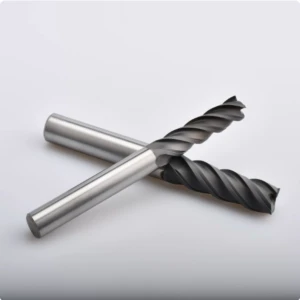
The Impact of 4-Flute Graphite End Mills on Tool Life
Tool life directly dictates production economics and batch stability in high-volume electrode manufacturing. A mold shop we consulted once experienced rapid dimensional drift halfway through a multi-cavity graphite run. While initial parts passed inspection, premature edge wear soon degraded tolerances. Our shop-floor audit proved that their tool life issues stemmed from both parameter mismatches and using improper flute geometries for finishing.
Re-engineering their process called for aligning tool geometry with substrate grades and chip loads. For high-precision finishing, deploying a 4-flute graphite end mill balances cutting loads, preventing premature localized failure on any single edge. However, maximizing cutter longevity requires a holistic approach that accounts for graphite density, diamond coating adhesion, step-over strategy, and spindle rigidity.
How Does the Number of Flutes Affect Graphite End Mill Tool Life?
Testing various cutter profiles reveals how flute count alters stress distribution during cutting passes. Low-flute tools offer high flute volume for clearing chips during roughing, whereas high-flute designs distribute mechanical loads across multiple edges. During extended production cycles, these mechanical differences directly impact flank wear rates and process stability.
However, adding flutes does not automatically guarantee a longer-lasting cutter. In improper setups, tight flute pockets lead to chip packing, thermal buildup, and micro-chipping on cutting edges. Evaluating the service life of a graphite end mill requires tracking total arc-on time, part volume, edge degradation, and dimensional holding capacity rather than relying on flute count alone.
How Does a 4-Flute Design Reduce Tool Wear?
In high-precision electrode work, a rigid 4-flute configuration dampens shock loads during edge engagement. Distributing forces across four edges lowers impact stress per tooth, preserving sharp cutting geometry over extended runs. This structural advantage proves vital when contouring intricate rib details, deep cavity pockets, and high-aspect-ratio electrodes.
We recently helped a manufacturer whose tooling wore out after machining only a handful of parts. Swapping to a rigid 4-flute profile while tuning feed per tooth and depth of cut stabilized their process dramatically. Mitigating wear requires adjusting spindle speeds, feed rates, air blast pressure, and toolpaths simultaneously to achieve maximum graphite end mill tool life.
How Can Tool Selection Extend the Service Life of Graphite End Mills?
Extending tool life depends on selecting a tool matched to your specific application, not buying options with premium price tags. Our technical consulting prioritizes graphite grain size, electrode complexity, tolerance bands, and target cycle times when building tooling strategies. Tailoring the tool profile to these variables prevents premature edge dulling and unexpected failure.
When choosing a graphite end mill supplier, partner with teams that offer comprehensive application engineering support, custom parameter guidance, and documented field data. An optimal tooling strategy balances removal rates, surface roughness, and cutter longevity. Achieving true process stability requires aligning your tool selection with a fully optimized machining process.
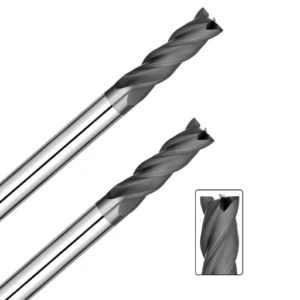
How to Choose the Right 4-Flute Graphite End Mill for CNC Graphite Machining?
Selecting the right cutter involves far more than picking a tool based on catalog diameter, brand reputation, or price. A precision mold shop we audited experienced sudden corner fracturing and dimensional drift after changing graphite stock suppliers. Although their parameters were unchanged, batch-to-batch density shifts destabilized their process, proving that tool geometries must match specific material characteristics.
Optimizing production requires evaluating graphite density, part features, machine rigidity, and process stages simultaneously. Choosing an ideal 4-flute graphite end mill governs overall cycle times, surface roughness, tool wear rates, and batch repeatability. For tight-tolerance electrode jobs, tailoring your tooling strategy to your operational environment is far more effective than forcing aggressive feed rates.
The Importance of Graphite Material Grade in Tool Selection
Working across diverse shop environments highlights how material properties dictate cutter specs. Isostatic, high-density, and fine-grained graphites vary significantly in grain size, hardness, and fracture mechanics. For instance, ultra-fine grain graphites demand sharp cutting edges and high wear resistance, whereas porous grades require optimized chip pockets to manage localized dust packing.
When specifying an end mill for graphite, we evaluate material grain size alongside target electrode requirements. Roughing standard electrode stock calls for high clearance and fast removal rates, whereas finishing high-density graphites prioritizes edge retention, dynamic stability, and tight tolerance control. Aligning tool specs with material traits eliminates trial-and-error costs during mass production.
How Do Coatings, Substrates, and Edge Geometries Affect Performance?
Cutting tests demonstrate that substrate density, diamond coat adhesion, and edge preparation determine long-term machining success. While graphite generates low cutting temperatures compared to steel, abrasive wear and mechanical shock rapidly degrade dull tools. Premium carbide substrates paired with specialized edge hones and diamond coatings prevent early flank wear during continuous high-speed passes.
A client once attempted using uncoated micro-grain carbide for continuous electrode production, only to suffer rapid edge wear and rough surface finishes. Switching to specialized diamond-coated geometries and tuning feed rates permanently restored process stability. Matching tool geometry, relief angles, and dust extraction methods ensures consistent performance across long production runs.
Selection Criteria for Tools Used in High-Precision Graphite Electrode Machining
Machining precision EDM electrodes requires strict control over dimensional repeatability, edge integrity, and surface finish. Tool core rigidity directly dictates performance when contouring narrow ribs, micro-features, and deep cavities. Achieving tight tolerances across unattended shifts requires evaluating the entire machining system rather than focusing on a single tool pass.
When selecting a graphite end mill supplier, choose partners with documented shop-floor testing, material-specific application data, and field engineering support. Avoid a one-size-fits-all approach by selecting cutter geometries tailored to your specific electrode geometry. In precision graphite machining, true productivity comes from long-term process stability and repeatable tool performance.
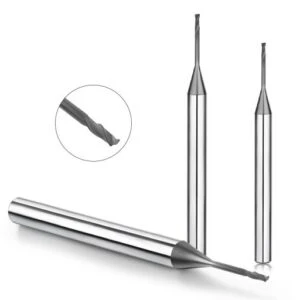
Guide to Choosing a Graphite End Mill Supplier
A common pitfall in modern machining operations is comparing catalog data sheets and unit costs without evaluating whether the supplier understands actual shop-floor mechanics. We frequently consult for shops that purchased cutters with impressive online specs, only to suffer brief tool life, poor surface finishes, and bloated cycle times. The root issue rarely stems from the tool itself, but rather from a supplier’s inability to match geometries to specific graphite grades, machine dynamics, and toolpaths.
A cutting tool is only one component of a complete graphite machining system. On real-world projects, we prioritize tooling suppliers who understand shop-floor realities—such as graphite grain sizes, axial depths of cut, dynamic chatter, dust evacuation, and tolerance holding. When selecting a long-term tooling partner, look beyond catalog tables and choose engineering teams capable of solving practical production challenges under your specific operating conditions.
What Capabilities Should a Professional Graphite End Mill Supplier Possess?
A reliable tooling vendor must deliver application expertise rather than just shipping off-the-shelf cutters. Production requirements vary across machine shops: some prioritize volumetric removal rates, others focus on mirror-like electrode finishes, while high-volume shops demand unattended batch stability. A supplier’s capacity to deliver customized tool geometries and parameter guidance based on your actual part features is the true indicator of technical competence.
When auditing a prospective graphite end mill supplier, evaluate their field engineering capabilities: Do they possess documented case studies in precision EDM electrode production? Can they recommend specific core diameters and coatings based on your graphite grade and cavity depth? Do they offer on-site parameter optimization and toolpath consultation? A valuable supplier acts as a technical partner who actively helps troubleshoot unexpected chatter, micro-chipping, or premature wear.
How Do You Evaluate the Machining Performance of Graphite End Mills?
When testing prospective tooling, engineers must look beyond initial passes and evaluate process stability across complete production runs. A tool that produces a flawless finish on the first few parts but introduces dimensional drift after thirty electrodes fails production standards. When validating new cutters, analyze surface roughness, corner edge integrity, dust evacuation behavior, and flank wear patterns throughout the entire tool lifecycle.
If you are benchmarking a new tooling strategy, structure your test criteria around total part volume, workpiece density, and tolerance holding rather than short initial passes. In automated long-term production, achieving a predictable, extended graphite end mill tool life is far more valuable than pushing extreme cutting speeds during brief trial runs.
Why Is Machining Test Data More Important Than Product Specifications?
Field experience shows that catalog spec sheets only reveal basic design intent; actual shop-floor cut data proves whether a tool performs in your specific operating environment. Two cutters with identical dimensions can yield vastly different results depending on machine tool rigidity, air-blast pressure, workpiece density, and toolpath strategies. Consequently, application engineers prioritize wear progression, harmonic dampening, and final electrode tolerances over advertised hardness values or coating names.
When evaluating a new graphite end mill, request that the vendor validate performance using your specific operating parameters, material grades, and part drawings. Testing with actual production geometries quickly reveals the optimal tooling solution. Sharing your target tolerances, electrode prints, and current failure modes with application engineers creates the fastest path to optimizing your machining efficiency and tool longevity.
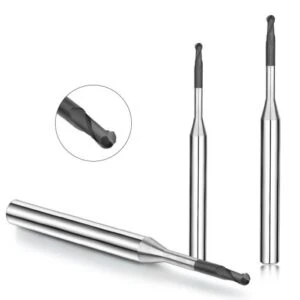
FAQ: Common Questions About 4-Flute Graphite End Mills
When optimizing shop operations, engineers frequently ask whether switching flute counts truly delivers measurable production gains. Transitioning to a high-rigidity cutter profile impacts removal rates, surface roughness, dust evacuation, and overall tool longevity. Tailoring tool geometry to your workpiece density, feature depth, and operational stage is far more effective than adjusting feeds and speeds alone.
Drawing from years of hands-on electrode production, we know that no single cutter geometry fits every shop scenario. Establishing the ideal setup requires balancing workpiece hardness, machine tool dynamics, and target tolerances. The following expert insights address the most common technical questions regarding 2 flute vs 4 flute graphite end mills.
Why Are 4-Flute End Mills Better for Graphite Machining?
In high-precision electrode applications, the primary advantage of a 4-flute graphite end mill lies in dynamic stability and force distribution. Engaging multiple cutting edges simultaneously lowers the chip load per tooth, preventing chatter during light finishing passes. This balanced cutting action ensures superior surface finishes and eliminates micro-fracturing on fragile features.
However, 4-flute cutters are not a universal fix for every machining pass. When bulk roughing deep open cavities, large flute pockets are essential to clear heavy volumes of abrasive dust quickly. Reserve 4-flute geometries for semi-finishing, intricate rib contouring, and tight-tolerance finishing passes where cutter rigidity and edge engagement take precedence.
Is a 4-Flute End Mill Better Than a 2-Flute One for Graphite?
Choosing between 2-flute and 4-flute tools is not about finding a universally superior cutter; it depends entirely on your process goals. 2-flute tools provide maximum chip clearance, making them ideal for heavy roughing and fast stock removal. Conversely, 4-flute cutters offer increased core rigidity, making them superior for dimensional control, fine surface finishes, and thin-wall stability.
If your electrode production suffers from severe vibration, edge fracturing, or dimensional drift, re-evaluating your flute configuration is a logical first step. Experienced machinists match cutter profiles to specific process stages rather than relying on one tool to handle every operation.
What Flute Number Is Best for Graphite Machining?
There is no single “best” flute count for all applications; optimal selection depends on material density, feature geometry, and depth of cut. Milling micro-electrodes or tight-radii mold cavities demands the dynamic stability of a 4-flute profile. Conversely, slotting or bulk material removal benefits from the large dust channels found in 2-flute designs.
When selecting a cutter, clarify your immediate operational goal first. Choose a 4-flute option if your objective is to eliminate hand-polishing and boost batch consistency. If your primary goal is maximizing material removal rates during initial roughing passes, evaluate tool profiles with larger chip clearance space.
Can 4-Flute Graphite End Mills Improve Tool Life?
Applying a 4-flute cutter can significantly extend service life in precision finishing applications. Distributing cutting forces across four edges reduces mechanical impact and thermal stress per tooth, slowing flank wear progression. Maintaining low chip loads per tooth preserves crisp cutting geometry over long unattended shifts.
However, achieving a long graphite end mill tool life requires a fully optimized machining ecosystem. If you experience unpredictable tool wear, inspect your step-over values, air-blast pressure, and trochoidal paths alongside tool selection. Cutter longevity relies on proper alignment between tool geometry, dust extraction, and feed parameters.
Which End Mill Is Best for CNC Graphite Machining?
Determining the ideal tool for CNC graphite machining requires analyzing your specific shop-floor constraints rather than picking a single catalog part number. High-precision electrode shops prioritize edge sharpness, tight tolerance holding, and mirror-like finishes. High-volume production facilities, on the other hand, focus on batch repeatability and tool life predictability.
Validate potential tooling through controlled cut tests using your actual material grades, electrode prints, and machine setups rather than relying on catalog datasheets. Partnering with experienced application engineers ensures you select a graphite machining solution tailored to your exact production requirements.