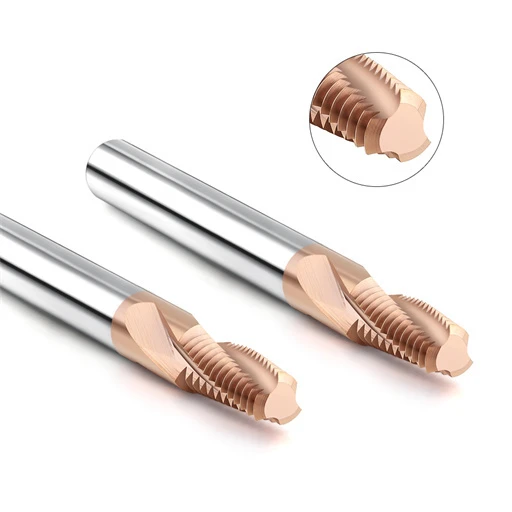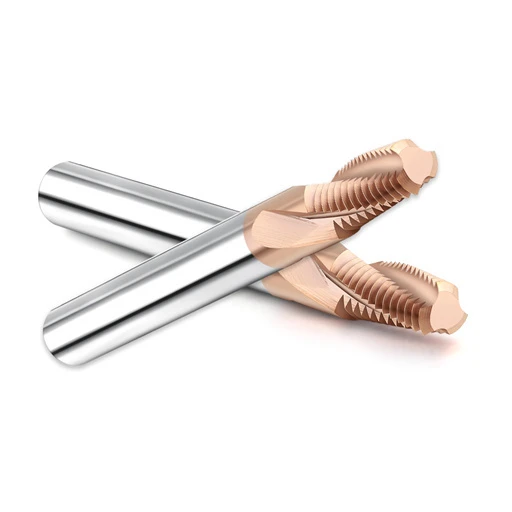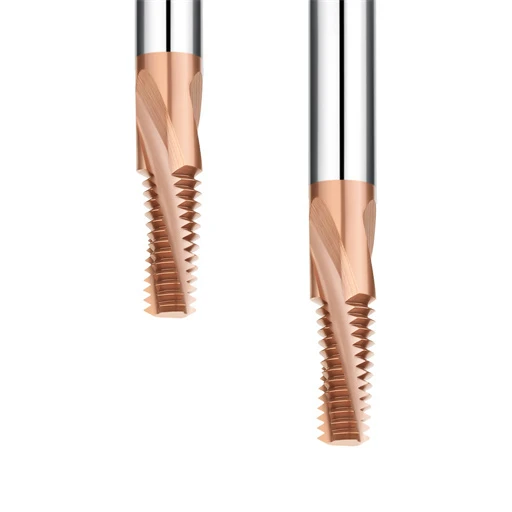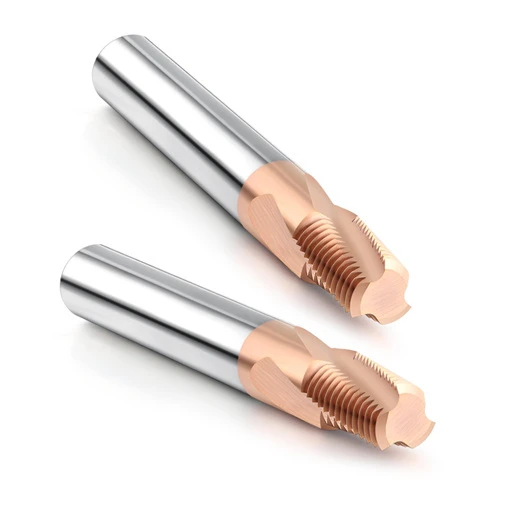
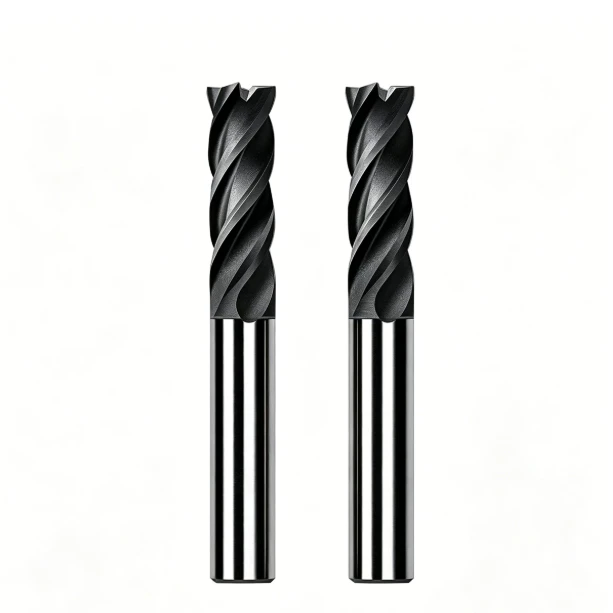
In real-world manufacturing, producing high-precision graphite electrodes in volume presents a distinct challenge. As demand for higher efficiency rises, traditional graphite milling methods quickly reveal their limitations. High-speed machining with standard carbide tools often leads to rapid tool wear, thermal variations, poor surface finish, and severe dust contamination.
We recently collaborated with a mold manufacturer struggling with complex EDM graphite electrode production. Their existing processes failed to meet tight delivery schedules. The client needed faster cycle times without sacrificing cavity precision, edge integrity, or process stability during continuous production runs.
Our testing showed that simply increasing spindle speed does not solve the efficiency puzzle. True productivity relies on a synchronized approach—combining optimized graphite milling processes, specialized tool geometries, precise cutting parameters, and robust machine setup.
To solve this, we implemented an integrated graphite machining system. By combining high-speed toolpath strategies with specialized diamond-coated end mills, we dramatically improved wear resistance. This approach reduced tool changes and stabilized long-term machining accuracy.
Tool selection remains the decisive factor in high-speed graphite milling. Specialized end mills require superior abrasion resistance, tailored flute spacing for chip evacuation, and durable cutting edges. When machining graphite electrodes and high-purity components, diamond-coated tools consistently deliver extended tool life and predictable precision.
However, high-speed machining extends beyond high RPMs. Key parameters—including spindle speed, feed rate, depth of cut, stepover, and engagement angle—directly control part quality. Imbalanced settings cause edge chipping, excessive dust, and poor surface finishes, regardless of tool quality.
For manufacturers producing precision molds or graphite components, choosing a reliable cutting tool supplier goes beyond buying hardware. It requires a complete technical partnership that includes custom tool design, parameter optimization, and continuous process support.
In the following sections, we draw from hands-on shop-floor experience to analyze key high-speed graphite milling technologies. We will cover technical challenges, tool selection logic, parameter optimization, and proven methods for achieving maximum stability in precision manufacturing.
Are you looking to optimize your high-speed graphite milling process and resolve shop-floor bottlenecks? Let us explore the engineering solutions behind high-efficiency machining.
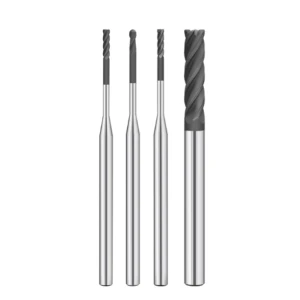
The Value of High Speed Graphite Machining in Machining Systems
On the shop floor, implementing high-speed graphite machining requires far more than simply ramping up spindle speeds. In a recent EDM graphite electrode project, a client faced bottlenecked cycle times, rapid tool degradation, and dimensional drift. Our shop-floor diagnostic revealed that real productivity comes from aligning tool geometry, toolpath strategy, and machine capabilities into a unified process.
For shops producing continuous runs of graphite electrodes or high-purity components, a structured high-speed strategy maximizes material removal while maintaining process stability. We evaluate raw material grain size, part geometry, and spindle dynamics holistically rather than pushing isolated parameters. High-speed processing delivers measurable ROI only when cutting tools perfectly match operating conditions.
Enhancing Efficiency and Stability with High-Speed Graphite Machining
Complex electrode geometries often suffer from chatter, edge chipping, and premature tool failure under conventional milling methods. When cutting deep cavities or thin ribs, poor cutter rigidity directly compromises surface integrity. To overcome this, we tailor tool diameters, flute counts, and specialized coatings to specific engagement zones across the workpiece.
Optimizing high-speed graphite machining prioritizes predictable quality over raw cutting velocity. Achieving long-term process stability requires synchronizing RPM, chip load per tooth, and vacuum dust extraction. For manufacturing engineers, optimizing the entire cutting environment yields better results than simply chasing higher spindle speeds.
Optimizing Precision CNC Graphite Machining Workflows
Machining defects rarely stem from a single variable; they usually point to uncoordinated production workflows. Shops often pair premium CNC machines with quality tools, yet still face dust contamination, thermal expansion, and inconsistent tolerances. To eliminate these issues, we establish an integrated graphite machining system that connects tooling, CAM strategies, dust containment, and quality control.
For precision CNC graphite machining, workflow optimization must bridge roughing and finishing operations seamlessly. Heavy roughing passes focus on rapid volumetric removal, while finishing passes prioritize tight tolerances and smooth surface finishes. This structured approach eliminates trial-and-error setup, protecting margin stability in high-volume production.
High-Efficiency Graphite Machining Reduces Costs and Tool Consumption
Tool purchasing decisions often overemphasize initial cutter cost while ignoring spindle downtime and cycle duration. In high-volume production, accelerated abrasive wear forces frequent tool offsets and unexpected cutter changes. Evaluating total cost per part provides a clearer metric for sustainable profitability than initial tool prices.
Adopting high-efficiency graphite machining—by selecting dedicated graphite milling cutters and refined toolpaths—significantly lowers overall unit costs. Because workpiece hardness, machine rigidity, and part designs vary across facilities, parameter sets must be tailored to specific shop conditions. Is your current operation held back by an isolated tooling choice, or is it time to optimize your entire machining process?
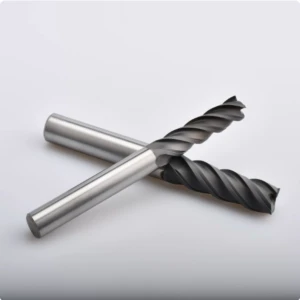
Graphite Milling Process: Key Steps in High-Speed Applications
Machining issues rarely originate from equipment limitations alone; they often stem from inadequate process planning for graphite’s abrasive nature. We recently optimized a client’s complex EDM graphite electrode line where traditional approaches caused long cycle times and severe edge chipping. By restructuring their operation sequence and cutting strategies, we established a stable, highly repeatable workflow.
Successful high-speed graphite milling requires aligning toolpath strategies with material density, part geometry, and tight tolerances. Our evaluation framework covers raw block quality, stock allowances, dynamic dust containment, and inline dimensional verification. This methodical approach ensures process continuity while eliminating costly rework caused by mismatched parameters.
CNC Graphite Machining Process and Planning
In graphite electrode production, process planning dictates overall success. When handling intricate features—such as deep cavities, thin walls, and fine contours—we never jump directly to finishing passes. We segment the workpiece into specific zones to create targeted roughing, semi-finishing, and finishing paths that minimize cutter deflection and stress.
Effective CNC graphite machining requires constant attention to cutting loads, tool engagement angles, and vacuum dust extraction. Poor toolpath planning in deep pockets leads to heat trapping and localized dust packing. Implementing structured process planning yields far greater consistency than repeatedly tweaking individual parameters on the shop floor.
Roughing and Finishing Strategies in the Graphite Milling Process
Roughing and finishing call for opposite tactics. The goal during roughing is to shed volume fast using the most rigid tool setup possible. Finishing operations focus exclusively on profile accuracy, surface roughness, and burr-free edge preservation. Using identical engagement strategies for both stages accelerates tool wear and degrades surface quality.
In high-speed graphite milling, we apply heavier axial depths during roughing to maximize output. For finishing passes, we decrease stepovers and utilize continuous spiral toolpaths to ensure uniform surface finishes. Because carbon grades and geometry vary widely, tailored parameter strategy always outperforms generic speed and feed charts.
Dimensional Accuracy and Surface Quality Control in Precision Graphite Machining
Precision mold EDM demands strict dimensional consistency and edge preservation on every graphite electrode. Edge chipping on an electrode directly translates into costly defects on the burned cavity steel. To maintain tight tolerances, we make dynamic parameter adjustments that account for gradual tool wear and real-time inspection data.
Achieving repeatable precision graphite machining requires matching stable machine dynamics with optimized tool geometries and strict quality checks. For high-volume manufacturers, maintaining process consistency across long production runs is far more critical than making one perfect prototype. Have you experienced batch runs where the first part passes inspection, but subsequent parts drift out of tolerance?
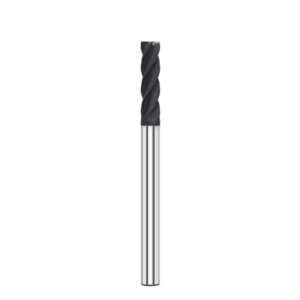
Diamond Coated Graphite End Mills: Essential Tooling for High-Speed Machining
In precision milling, tool selection directly dictates process stability. We recently assisted a mold maker producing complex EDM graphite electrodes featuring deep slots and narrow ribs. Standard carbide tools suffered rapid abrasive wear, causing immediate dimensional drift. Lowering feeds and speeds prolonged tool life slightly, but cycle times dropped far below acceptable batch production rates.
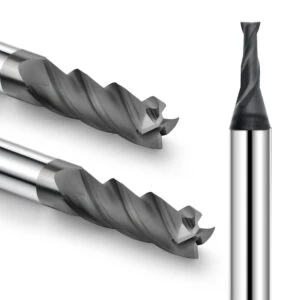
High-speed graphite machining requires more than high RPMs; it demands purpose-built tooling designed for abrasive carbon composites. Deploying diamond-coated graphite end mills with customized edge geometries resolved the wear issue. We select substrate grades, flute configurations, and coating thicknesses based on material grain size and part features rather than relying on off-the-shelf catalog tools.
Diamond Coated End Mills Enhance Wear Resistance and Tool Life
Although graphite exhibits low tensile strength, its fine-grained structure acts like sandpaper on cutting edges. During high-speed continuous operations, un-coated tools rapidly dull, causing burrs, dimensional drift, and edge chipping. Matching cutter material, core thickness, and surface treatments to specific workpiece grades is non-negotiable for stable production.
When evaluating diamond-coated end mills, we look beyond coating thickness to assess substrate adhesion, edge sharpness, and flute polishing. In high-precision graphite machining, a resilient cutting edge eliminates constant tool length offsets and stabilizes continuous batch runs. Sustained edge retention delivers far higher ROI than temporary spikes in surface footage.
Diamond Coated Graphite End Mills for High-Efficiency Electrode Production
EDM mold shops face relentless demands for shorter cycle times on complex electrodes. Intricate cavities, steep walls, and fine ribs require aggressive material removal followed by smooth finishing passes. Poor tool selection leads to premature wear, forcing mid-program tool changes that leave unacceptable step marks on critical surfaces.
We tailor tooling strategies strictly by operation type. Heavy roughing demands thick core diameters and tough diamond coatings, while finishing passes rely on sharp cutting edges and optimized chip flutes. Pairing specialized diamond-coated end mills with refined radial stepovers balances maximum removal rates with exceptional profile accuracy.
How Graphite End Mill Manufacturers Optimize Tool Geometry
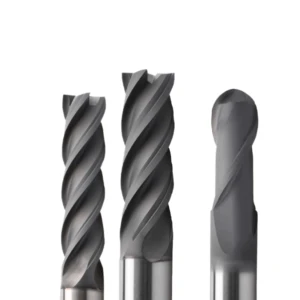
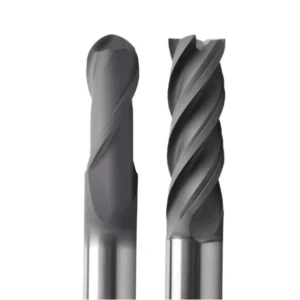
A tool’s performance relies as much on structural design as it does on its diamond film. When engineering tools for graphite machining, we balance cutting edge prep, helix angles, flute volume, and core rigidity. For high-speed applications, flutes must evacuate fine dust instantly while maintaining structural stiffness to prevent chatter under variable chip loads.
Experienced graphite end mill manufacturers evaluate spindle dynamics, machine rigidity, and carbon grain size before recommending tool profiles. An end mill optimized for electrode finishing will fail prematurely if forced into heavy stock removal. Optimal performance requires matching tool geometry to actual shop-floor conditions. Have you ever used a tool that met all catalog specs on paper, yet failed to deliver consistent results in the machine?
Graphite Milling Cutting Parameters: Optimizing High-Speed Performance
Increasing spindle speed or feed rate in isolation rarely yields higher productivity. In a recent graphite electrode project, a manufacturer pushed parameters beyond tool limits to shorten cycle times. This resulted in accelerated micro-chipping, poor surface finishes, and severe dimensional drift. Our shop-floor diagnostic proved that machine power was not the bottleneck; the issue stemmed from unaligned cutting parameters, tool geometries, and material dynamics.
Achieving stable high-speed graphite machining requires a balanced setup. Rather than tweaking individual values, we synchronize spindle speed, chip load per tooth, axial depth of cut, radial stepover, and dust evacuation. Optimizing these graphite milling cutting parameters maximizes material removal rates while protecting cutting edges and part precision.
Selecting Speed and Feed Parameters for Graphite Machining Tools
Spindle RPM and feed rate directly influence edge life and dimensional accuracy. Ideal parameters vary based on tool diameter, carbon grain size, and operation type. When using small-diameter tools on intricate electrode features, vibration dampening and core rigidity take priority. Heavy roughing with larger cutters focuses on volumetric stock removal and thermal management.
When setting up specialized graphite machining tools, generic feed and speed charts only offer a baseline. We fine-tune parameter ratios on the machine by listening to cutting harmonics, inspecting dust particle size, and monitoring edge wear. For production engineers, a stable parameter window is far more valuable than pushing cutting speeds to extreme limits.
The Impact of Cutting Parameters on Graphite Milling Efficiency
Machining efficiency depends as much on parameter balance as it does on cutter quality. Some shops run premium graphite milling cutters with overly conservative feeds, needlessly extending cycle times. Others run aggressive settings that cause premature tool wear and inconsistent tolerances. Sustainable efficiency requires a tailored parameter strategy for every stage of production.
We customize cutting strategies across roughing, semi-finishing, and finishing passes. Roughing passes maximize chip load and stock removal rates, while finishing passes prioritize low engagement angles and dimensional stability. Applying optimized parameters reduces setup trials and delivers predictable batch consistency.
Optimizing Cutting Depth, Step-over, and Chip Evacuation
Premature tool failure and poor surface finishes often stem from improper axial depth and radial stepover settings. When milling deep cavities or narrow channels, uneven chip loads induce cutter deflection and chatter. Adjusting stepovers based on tool engagement angles ensures uniform cutting forces across complex toolpaths.
Vacuum dust containment is equally critical in high-speed graphite machining. Heavy dust accumulation recuts fine particles, accelerating abrasive wear on tool flutes. Combining optimized flute geometries with targeted vacuum extraction clears debris instantly, maintaining process stability during extended continuous runs.
Applications of CNC Tools for Graphite Machining in Precision Manufacturing
Graphite machining applications have expanded beyond traditional EDM electrode manufacturing into semiconductor components and high-precision industrial parts. Different applications demand distinct stability requirements. For instance, EDM electrodes require fine edge integrity, while semiconductor components prioritize long-term dimensional repeatability. Consequently, effective strategies evaluate material grain structure, part geometry, and final application requirements holistically.
Selecting appropriate CNC tools for graphite machining is essential for consistent part quality. We align tool selection and cutting parameters with specific variables, including graphite grades, cavity depth, surface roughness specifications, and delivery schedules. Practical floor experience proves that repeatable quality relies on true synergy between cutting tools, CNC machinery, and standardized workflows.
High-Speed Milling in EDM Graphite Electrode Machining
In EDM electrode production, shops must shorten lead times while maintaining precise spark-gap tolerances. We recently assisted a mold maker producing complex electrodes with deep cavities, narrow slots, and sharp corners. Although their existing setup met initial accuracy checks, slow cycle times and accelerated cutter wear caused severe dimensional drift during long production runs.
To solve this, we optimized their workflow by pairing dedicated diamond tooling with balanced roughing and finishing paths. During EDM graphite electrode machining, high-speed milling strategies must balance volumetric stock removal with geometric precision. Heavy roughing passes maximize material removal, while low-load finishing passes preserve fragile edges for downstream EDM operations.
High-Precision Machining Requirements in Mold Graphite Machining
Mold shops frequently produce complex cavity electrodes characterized by tight tolerances and deep geometry variations. In one automotive mold project, rapid cutter wear in deep cavities forced mid-program offsets and manual touch-ups, delaying the entire delivery schedule. These secondary corrections increased labor costs and compromised final steel cavity accuracy.
For mold graphite machining, maintaining process stability outweighs peak spindle output. Managing tool overhang, cutting loads, and toolpath continuity prevents chatter when cutting deep cavities or complex freeform surfaces. Selecting correct tool geometries across each machining phase prevents edge breakdown and preserves critical electrode profiles.
Stable Machining Solutions for Semiconductor Graphite Parts
Semiconductor equipment components demand different process controls than standard mold electrodes. High-purity carbon components require long-term dimensional stability, strict contamination control, and pristine surface finishes. Inconsistent cutting parameters or excessive vibration during milling directly cause surface micro-cracks and assembly misalignments.
Machining semiconductor graphite parts requires predictable wear control, stable feed rates, and aggressive vacuum extraction. High-efficiency milling relies on repeatable output rather than short-term speed spikes. For high-volume manufacturers, establishing a stable, dust-managed process delivers far greater value than pushing individual cycle times. Have you faced challenges maintaining long-term process stability after increasing throughput?

Achieving High Efficiency Graphite Machining through an Integrated System
Boosting throughput requires looking beyond fast feeds and high spindle speeds. In one electrode project, a shop increased cutting parameters to shorten lead times, only to suffer rapid cutter wear, heavy dust buildup, and dimensional drift. Our shop-floor audit showed that isolated parameter changes create bottlenecks elsewhere; true productivity requires balancing cutters, parameters, and dust containment.
Achieving sustainable, high-efficiency graphite machining depends on full system integration. We evaluate tool specs, toolpath strategies, machine dynamics, and vacuum extraction capacity together. Addressing production bottlenecks holistically optimizes material removal rates while protecting part quality and equipment longevity.
Synergistic Optimization of Diamond Coated End Mills and Parameters
Even premium cutting tools underperform without aligned operating parameters. We recently assisted a client using premium diamond coated graphite end mills who still experienced premature chipping. The root cause was unaligned feed rates, axial cut depths, and stepover values, which overloaded the cutting edges during cornering.
Successful high-speed graphite machining requires matching tool geometry with engagement strategies across each phase of production. Roughing operations focus on volumetric stock removal, while finishing passes control cutting forces to preserve fragile features. Pairing specialized diamond coated end mills with synchronized cutting parameters eliminates vibration and ensures reliable continuous production.
Matching CNC Equipment, Dust Extraction Systems, and Cutting Tools
Machining stability relies heavily on auxiliary equipment performance. We often encounter facilities using high-end tooling, yet their final part accuracy suffers due to inadequate spindle stiffness or weak vacuum airflow. To prevent premature failures, we evaluate machine rigidity and dust containment capacity alongside cutter specifications.
High-speed graphite machining demands robust machinery and a clean operating environment. Spindle dynamic balance, secure workholding, smooth motion control, and immediate dust extraction directly govern finished quality. Ensuring complete compatibility between cutting tools and machine systems forms the foundation for long-term production stability.
Establishing Long-Term, Stable Precision Graphite Machining Solutions
True precision in manufacturing is defined by repeatability across long production runs, not single perfect prototypes. A client producing high-purity components achieved excellent initial samples, but quality degraded during batch production due to unmonitored tool wear. We restored process stability by implementing tool life management, parameter logging, and inline inspection protocols.
Establishing reliable precision graphite machining requires continuous operational refinement. Creating parameter databases for specific geometries and scheduling tool replacements based on actual edge wear ensures uniform output. For high-volume producers, a predictable, standardized process delivers far greater value than short-term speed spikes. Is your shop ready to move from isolated parameter adjustments to an integrated machining system?
Building a High Performance Graphite Machining System with Diamond Coated End Mills
Achieving efficiency in high-speed graphite machining extends far beyond increasing cutting speeds. Across various projects—from EDM electrodes and complex mold components to semiconductor assemblies—repeatable success always stems from integrating cutting tools, parameters, machine dynamics, and shop-floor workflows into a single cohesive system.
Diamond coated end mills are a critical component, but they are not a standalone silver bullet. Superior wear resistance yields value only when paired with material-specific parameters and effective dust containment. For manufacturing engineers, building a system tailored to your specific shop floor delivers far greater value than pursuing single-parameter gains.
Summary of the Value of High-Speed Graphite Machining
High-speed graphite machining offers value far beyond shorter cycle times; it boosts total plant throughput while holding tight tolerances. In electrode batch production, optimizing tool geometry and cutting parameters eliminates frequent mid-program adjustments, ensuring consistent dimensional repeatability from the first part to the last.
If you manufacture graphite electrodes or precision assemblies, evaluate your tooling and processes against your machine capabilities. Check spindle dynamics, monitor tool wear rates, and validate feed-to-speed ratios. Because material grades and part geometries vary, high-speed strategies require continuous refinement rather than copying generic parameters from external charts.
Summary of Selection Logic for Diamond Coated Graphite End Mills
Selecting the right diamond coated graphite end mill requires looking beyond surface coating labels. Engineers must evaluate tool core thickness, flute design, chip clearance, and cavity depth holistically. Heavy stock roughing and fine finishing demand distinct tool geometries, just as deep pocketing requires specialized core rigidity compared to shallow profiling.
When choosing a diamond coated end mill, start by diagnosing your primary shop-floor pain points—such as micro-chipping, excessive cutter wear, or dimensional drift. Matching tool geometry to your specific carbon grade and machine dynamics proves far more effective than simply buying the highest-priced catalog cutter available.
Optimizing Precision Graphite Machining with a Graphite End Mill Manufacturer
Precision machining issues rarely stem from tool defects alone; they usually reveal a lack of real-time process feedback. The same cutter can perform drastically differently depending on spindle rigidity, vacuum extraction rates, and carbon grain size. Working with a knowledgeable graphite end mill manufacturer ensures your tooling strategies align with your actual shop-floor environment.
To optimize your precision graphite machining operations, start with your real-world production metrics—material grade, cavity depth, machine capabilities, and target tolerances. Analyzing this data unveils the ideal combination of tooling and parameters. We invite industry peers to partner with us, share case studies, and unlock reliable production performance together.
FAQ: High Speed Milling of Graphite
In precision manufacturing, clients frequently ask similar questions regarding high-speed machining efficiency, cutter longevity, and dimensional stability. This is particularly true when milling EDM graphite electrodes, mold components, and high-purity carbon assemblies. Floor experience proves that resolving shop-floor bottlenecks requires looking beyond basic tool swaps to evaluate tooling, parameters, and machine setups together.
To help you minimize setup trials, we compiled common technical questions from real production environments. Drawing on years of CNC experience, we explain key high-speed graphite milling principles—including cutter selection, parameter optimization, and system integration—so you can streamline your process planning.
What is the best diamond coated graphite end mill for high-speed machining?
There is no single “universal” cutter that fits every shop setup. Graphite grain size, part geometry, machine rigidity, and target tolerances vary widely across applications. Precision electrode finishing demands edge retention and low cutting forces, while heavy stock roughing prioritizes volumetric removal rates and core toughness.
For high-speed milling of graphite, we prioritize diamond-coated end mills with optimized flute geometry and superior chip evacuation. When cutting fine-grained or high-purity carbon grades, evaluate tool diameter, flute count, diamond layer quality, and engagement limits together rather than relying on standard catalog charts.
How do you optimize graphite milling cutting parameters?
Optimizing parameters rarely means simply increasing speeds; it requires balancing interdependent variables. Ramping up spindle RPM without increasing feed rates causes severe friction, while increasing cut depths without adequate core rigidity induces chatter and micro-chipping.
To optimize graphite milling cutting parameters, evaluate spindle speed, chip load per tooth, axial depth, radial stepover, and toolpaths together. Set heavy stock removal goals during roughing, then transition to low-load continuous paths for finishing. Listen to cutting harmonics, monitor dust particle behavior, and inspect edge wear to fine-tune your parameters safely.
Why choose diamond coated end mills for graphite machining?
Although graphite has low tensile strength, its fine-grained structure acts like sandpaper on cutting edges. In continuous high-speed environments, standard carbide tools dull rapidly, causing severe dimensional drift and edge chipping. Diamond-coated end mills provide the hardness needed to withstand continuous abrasive wear.
Using CVD diamond coatings drastically extends cutter life and maintains tight tolerances across long production runs. However, maximum performance requires pairing diamond-coated end mills with rigid machine setups, stable workholding, and synchronized feeds and speeds.
How does a graphite machining system improve machining efficiency?
Upgrading isolated components rarely yields long-term throughput gains. A shop might switch to premium diamond cutters, only to face dimensional drift caused by inadequate vacuum airflow or poorly planned toolpaths. Sustainable productivity requires optimizing the complete machining environment.
Implementing an integrated graphite machining system connects cutter selection, feed optimization, dust containment, tool life tracking, and quality control. Addressing root causes across the entire workflow delivers predictable batch accuracy far more effectively than chasing high spindle speeds alone.