In practical mold production, manufacturers with mature EDM equipment often struggle during the electrode fabrication stage. This bottleneck is highly evident during graphite cavity milling for complex profiles, deep-cavity structures, and high-precision electrodes.
We recently consulted for a precision injection mold manufacturer facing severe issues with large-scale electrode fabrication. The edges of their graphite electrodes chipped frequently, fine structures suffered dimensional deviations, and cutting tools wore out prematurely.
Our engineering audit revealed that the root cause was not a single isolated tool failure. Instead, the issues stemmed from a lack of compatibility across their entire graphite machining systems, including tool geometry and cutting parameters.
In the mold industry, graphite mold machining demands strict dimensional accuracy, excellent surface quality, and long-term stability. When milling complex curved surfaces and intricate micro-structures, your machining strategy must align with specialized tool designs to ensure predictable EDM performance.
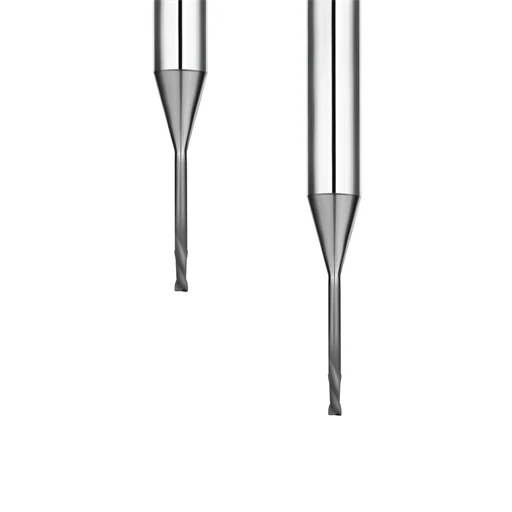
High-quality precision milling requires systematic optimization that integrates material properties, machining depth, and cycle times. For instance, utilizing a long-neck graphite end mill minimizes tool interference and enhances stability in deep, complex zones.
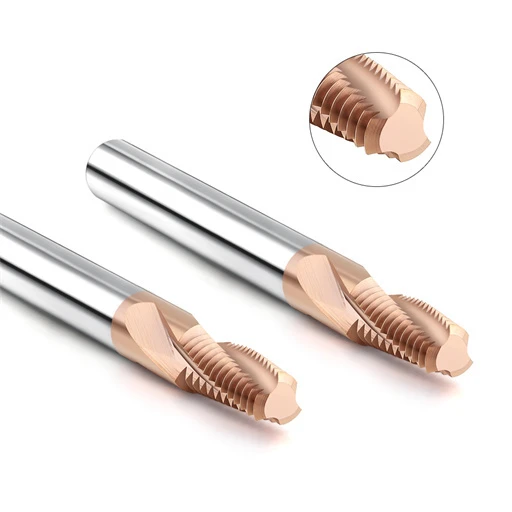
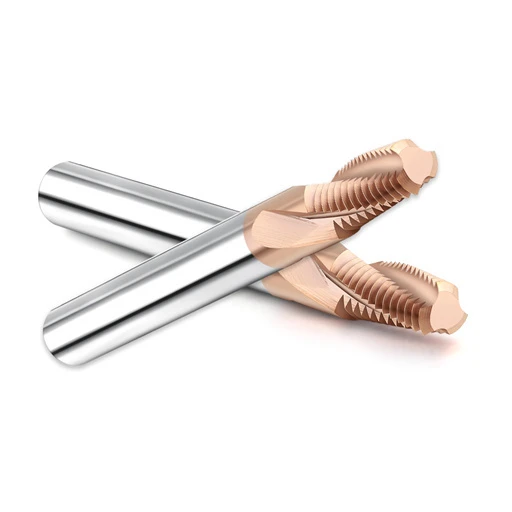
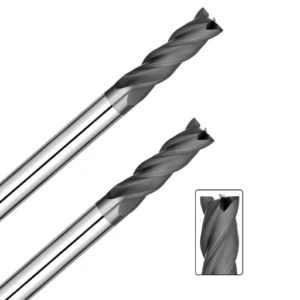
Furthermore, employing premium diamond coated end mills mitigates the abrasive edge wear caused by highly abrasive graphite dust. This specialized tooling choice drastically extends tool service life and maintains sharp cutting edges throughout long production cycles.
Many mold manufacturers focus strictly on the initial price of individual cutting tools. However, they frequently overlook how the overall performance of graphite machining systems impacts their total operational costs.
A high-performance graphite cutter offers superior edge retention and highly stable cutting performance. By reducing downtime associated with frequent tool changes, it allows manufacturers to achieve consistent electrode quality and lower per-part costs.
When your mold projects face simultaneous challenges regarding electrode precision, tool life, and machining stability, does your current graphite cavity milling setup truly deliver the competitive edge your shop needs?
Core Application Scenarios for Graphite Cavity Milling in Mold Manufacturing
In modern mold production, graphite cavity milling bridges the critical gap between electrode design, CNC milling, and Electrical Discharge Machining (EDM). This process is vital for automotive components, precision electronics, and complex injection molds. Unstable dimensional control at this stage leads to uneven EDM allowances, rapid tool wear, and poor reproduction of fine mold details.
Every mold shop faces unique production demands, balancing high-efficiency throughput with extreme geometric precision for intricate, curved surfaces. Rather than applying generic cutting parameters, we customize machining strategies based on graphite grades, part geometry, and spindle capabilities. A robust workflow requires the seamless integration of specialized cutting tools, targeted toolpaths, and efficient dust management.
Application of Graphite Mold Machining in EDM Electrode Production
Graphite has largely replaced traditional copper in EDM mold manufacturing due to its lightweight properties, high thermal stability, and rapid material removal rates. Utilizing optimized graphite mold machining workflows allows us to control electrode profile accuracy down to the micron level. This precision directly translates to predictable, high-quality finishes during the subsequent EDM phase.
We recently resolved an issue for a client machining multi-cavity electrodes with deep slots and microscopic corner radii. Initial toolpath mismatches caused edge chipping, forcing operators to constantly adjust EDM compensation values. By re-optimizing the roughing-to-finishing cycles and upgrading to dedicated graphite machining systems, we eliminated chipping and restored dimensional stability.
Application of CNC Graphite Cutting Tools in Machining Complex Mold Cavities
Machining deep cavities, narrow slots, and 3D contoured surfaces requires exceptional tool rigidity and flawless chip evacuation. Selecting the right CNC graphite cutting tools demands a holistic approach that balances tool diameter, flute count, and length-to-diameter ratios. Relying on basic, off-the-shelf tool specifications often results in premature tool failure or severe part deflection.
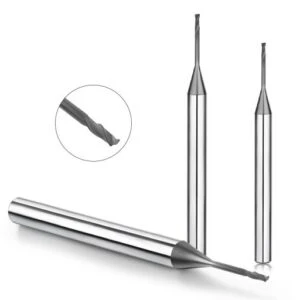
For deep-cavity electrodes, we utilize long-neck tools to prevent tool holder interference while controlling radial depth of cut to mitigate vibration. In highly intricate zones, minimizing radial runout and maintaining cutting-edge consistency are paramount. Your selected tooling must fully align with your CNC machine’s spindle performance and the abrasive nature of the graphite material.
The Value of Graphite Precision Milling in High-Precision Mold Manufacturing
For high-precision mold manufacturers, the goal of graphite precision milling extends far beyond simply replicating a CAD model. True success relies on achieving perfect repeatability, pristine surface finishes, and strict dimensional accuracy across long production runs. These results depend heavily on the synergy between the graphite material grade, tool wear progression, and machine tool stability.
We consistently enhance part precision by optimizing the entire machining workflow rather than relying on a single, isolated parameter. During critical finishing stages, managing cutting loads and minimizing spindle runout dramatically improves electrode surface quality. If your precision gradually deteriorates during continuous production, your current graphite cavity milling setup likely requires a systematic upgrade.
How a Graphite Machining System Meets High-Precision Requirements in the Mold Industry
Many mold shops mistakenly believe that successful electrode fabrication depends solely on buying the right milling cutter. However, our decade of field experience proves that flawed results stem from failures across the entire production setup. Spindle runout, tool holding precision, cutting data, dust collection, and CAM toolpaths all dictate final electrode quality. A truly optimized graphite machining system must prioritize holistic process stability over individual components.
We recently optimized operations for a high-precision mold shop experiencing severe dimensional drift during continuous production runs. Our onsite analysis revealed that the deviations were caused by unchecked tool wear, poor dust evacuation, and fluctuating thermal conditions. By restructuring their workflow—upgrading tool combinations and refining finishing strategies—we restored long-term part consistency. For sustained precision, you must evaluate your entire system stability rather than blaming tool quality alone.
Synergistic Optimization of High-Speed CNC Equipment and Graphite Machining Tools
High-speed graphite mold machining requires perfect synchronization between machine tool dynamics and cutting tool geometry. Shops often invest in high-RPM spindles but fail to adjust their tool holders, workholding, or feed rates accordingly. To unlock the full potential of high-speed equipment, we select specialized CNC graphite cutting tools engineered to match specific spindle rigidities and electrode shapes.
When milling large-scale electrodes, we prioritize core rigidity and chip flute volume to prevent harmonic vibration during heavy cuts. For micro-cavities, our focus shifts to absolute tool geometries and cutting-edge sharpness. High-speed spindle performance is merely the foundation; the real competitive advantage lies in matching the machine, the tool, and the milling strategy.
The Impact of Graphite End Mill Selection on Machining Precision and Stability
Years of optimizing graphite precision milling applications reveal that generic tool selection criteria often lead to premature failure. Choosing a smaller tool diameter or adding more flutes will not automatically solve accuracy issues. Different graphite material grades, stock allowances, and geometric complexities require highly distinct tooling strategies across roughing, semi-finishing, and finishing cycles.
During heavy roughing, our primary goals are maximum material removal rates and open chip evacuation. Conversely, finishing cycles demand strict control over edge wear and surface finish. For deep-cavity work, incorporating specialized long-neck tools minimizes tool holder interference and stabilizes complex cuts. Categorizing your machining stages is far more effective than simply swapping tool brands.
Graphite Dust Control and Establishing a Stable Graphite Cavity Milling Process
The massive volume of abrasive dust generated during dry machining operations presents a severe threat to machine tool longevity. Without immediate evacuation, graphite particles accumulate in the cutting zone, accelerating tool wear and destabilizing the machining environment. Building a reliable graphite cavity milling process requires pairing high-vacuum dust extraction with optimized cutting parameters.
One client experienced excellent surface finishes on their initial parts, but quality plummeted during continuous operation due to dust packing the cutting zone. Optimizing their dust extraction hood geometry and adjusting the machining cadence immediately stabilized production. For long-term batch manufacturing, a controlled, dust-free environment is just as critical as the cutting tool itself.
Key Machining Challenges and Solutions in Graphite Mold Machining
In our decade of managing electrode fabrication projects, we have found that most machining failures accumulate gradually across the production workflow. Because graphite is inherently brittle, shops frequently battle edge chipping, loss of micro-details, and inconsistent surface finishes. Without tailoring your approach to the electrode’s unique geometry, maintaining stable results is nearly impossible. Successful graphite mold machining requires balancing material removal rates, dimensional precision, and predictable tool life.
We recently assisted a mold manufacturer experiencing severe dimensional drift and extended cycle times during a high-volume electrode run. While their initial prototype met all design specifications, continuous production caused fluctuating tool wear and mismatched cutting parameters. To resolve these issues, we optimized their toolpaths and redistributed cutting loads across the roughing and finishing cycles. For high-volume runs, stabilizing your cutting parameters is far more effective than blindly increasing spindle speeds.
Minimizing Tool Wear During Graphite Cavity Milling
Rapid tool wear is the primary enemy of dimensional stability when machining abrasive graphite materials. Many shops set overly aggressive cutting data early on to boost throughput, which backfires during deep-cavity or complex 3D milling. Optimizing a graphite cavity milling process requires distinct strategies for each production phase. We prioritize bulk material removal during roughing, then shift focus to tool deflection and edge preservation during finishing.
When milling deep pockets, narrow slots, or delicate ribs, minimizing tool overhang and radial depth of cut is critical. Reducing these cutting forces directly mitigates harmonic vibration, prevents micro-chipping, and maintains a stable machining environment. If your shop experiences unpredictable tool life, you must evaluate your overall milling method rather than just swapping tool brands.
Improving Surface Quality through Graphite Precision Milling
In precision mold manufacturing, the surface finish of a graphite electrode directly dictates the quality of the subsequent EDM operation. Machinists often attempt to achieve a flawless finish in a single final pass, ignoring the adverse effects of improper roughing allowances. Consistent graphite precision milling requires advanced planning that starts during roughing by optimizing toolpath directions and managing tool runout.
We highly recommend auditing the electrode for residual stock and localized over-cutting before triggering the final finishing cycle. For high-tolerance cavities, utilizing small-diameter tools, precise step-overs, and rigid spindle performance minimizes visible tool marks and dimensional deviations. A flawless surface finish is never the result of a single step; it requires a perfectly harmonized machining ecosystem.
Boosting Machining Efficiency with Long-Life Graphite Cutters
In high-volume manufacturing environments, extended tool life is essential for maintaining process consistency and eliminating costly downtime. We once consulted for a shop where uneven tool wear forced operators to readjust offsets every few parts, destroying their production rhythm. By upgrading to long-life CNC graphite cutting tools engineered for continuous duty, we stabilized their cycle times and unified part dimensions.
However, extending tool life requires analyzing the specific graphite grain size, machining depth, and machine tool rigidities in your shop. Simply choosing a highly wear-resistant tool will not overcome flawed machining strategies or inadequate dust extraction systems. If your floor frequently faces excessive tool changes and unpredictable cycle times, it is time to re-evaluate your comprehensive graphite machining systems.
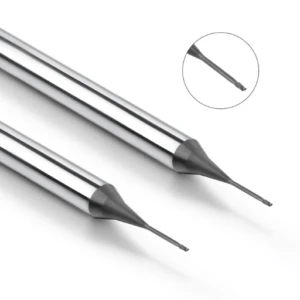
Advantages of Using Diamond Coated End Mills for Graphite Cavity Milling
In our decade of managing electrode fabrication projects, tool longevity and process stability remain the top concerns for mold manufacturers. When milling multiple complex electrodes in sequence, uncoated carbide tools suffer from rapid abrasion caused by hard graphite particles. This rapid edge degradation destroys machining consistency across deep cavities and high-precision EDM profiles. Evaluating diamond coated options within your graphite machining systems is essential for maintaining predictable EDM outcomes.
We recently resolved a production bottleneck for a high-precision shop machining high-density graphite electrodes. While standard carbide cutters worked well for individual prototypes, high-volume production caused edge precision to plummet due to abrasive wear. By implementing premium diamond coated tooling and fine-tuning the cutting parameters, we stabilized their entire batch production run. Selecting these advanced tools must be balanced against your specific graphite grade, spindle capabilities, and geometric goals.
How Diamond Coated End Mills Extend Tool Life in Graphite Machining
Graphite machining generates highly abrasive dust that acts like sandpaper against a cutting tool’s edge. In high-speed milling environments, standard micro-grain carbide edges break down rapidly when cutting high-hardness, high-density graphite grades. Integrating diamond coated end mills provides an incredibly hard barrier that resists abrasive wear and maintains sharp cutting edges during extended runs.
However, maximizing tool life requires looking beyond the diamond film layer alone. The quality of the carbide substrate, core geometry, cutting data, and dust evacuation all play vital roles in overall performance. For deep-cavity work, even the best diamond coating will fail prematurely if excessive tool overhang triggers harmonic vibration. We recommend evaluating tool life through a comprehensive analysis of the entire graphite mold machining setup.
Why Diamond Coated Graphite End Mills Enhance Machining Stability
For mold manufacturers running continuous production, day-to-day stability is far more valuable than the speed of a single cycle. Inconsistent tool wear forces machine operators to constantly adjust dimensional offsets, introducing human error to the shop floor. Utilizing specialized diamond coated tools keeps the cutting geometry stable over long cycles, minimizing dimensional drift caused by tool breakdown.
When milling complex injection mold electrodes with intricate 3D contours, maintaining tight tolerances during continuous cutting is paramount. Rapid tool wear introduces visible tool marks and localized dimensional errors across critical curved surfaces. Our selection process pairs the tool’s geometry with the electrode’s shape and surface finish requirements, rather than simply chasing maximum feed rates.
Optimizing Graphite Machining Performance through Coating and Edge Geometry Selection
Achieving optimal graphite precision milling performance requires matching the tool coating and edge geometry to the specific operation. Heavy roughing demands high material removal rates and robust edges, while micro-finishing requires extreme sharpness and tight runout tolerances. True process optimization means evaluating the synergy between coating wear resistance, core strength, and your CNC cutting parameters.
We once optimized a precision electrode line where the shop mistakenly used a single tool style for both roughing and finishing. This compromise resulted in slow roughing cycles and poor surface finishes on the completed electrodes. By segregating the production phases and deploying application-specific CNC graphite cutting tools, we dramatically improved overall throughput. Evaluating your tooling configurations for each distinct machining stage is a proven way to eliminate hidden production bottlenecks.
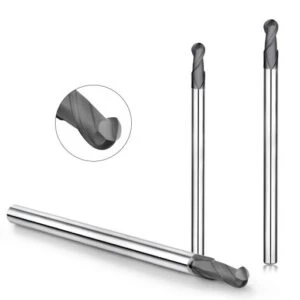
How to Select the Right Graphite End Mill for Mold Machining
In our decade of running CNC machining operations, we have seen that tool selection dictates the baseline stability of electrode fabrication. While shops frequently prioritize tool diameter, unit price, or cycle times, long-term profitability relies on core tool geometry, edge condition, and spindle compatibility. Selecting a graphite end mill requires an objective assessment of the electrode’s geometry paired with the specific production stage.
Standard tool profiles work well for flat contours, but deep cavities, narrow slots, and complex 3D surfaces require analyzing tool rigidity and clearance designs. We recently audited an automotive mold shop experiencing severe part vibration and dimensional deviations because their tooling lacked the rigidity required for deep-pocket clearing. Upgrading their tool geometry and refining their toolpaths immediately restored part accuracy. Tool selection must always reflect the reality of your shop floor environment.
Application of Long-Neck Graphite End Mills in Deep Cavity Mold Machining
Tool accessibility and mechanical deflection present major hurdles when milling deep-cavity molds. In our projects, we find that standard length cutters frequently cause tool holder interference or trigger severe harmonic vibration in narrow zones. For these challenging setups, deploying long-neck graphite end mills is the most effective way to reach deep features safely while maintaining predictable cutting control.
However, a long-neck design does not mean operators can increase tool overhang arbitrarily without consequences. Machining physics dictates balancing your length-to-diameter ratio with your spindle rigidities and cutting loads. Excessive overhang sacrifices tool rigidity, causing severe part taper and micro-chipping even with premium tools. For deep graphite cavity milling, select neck lengths based on actual cavity depths and mitigate deflection by lowering radial engagement.
How a Graphite End Mill Manufacturer Provides Professional Machining Solutions
Through years of serving precision mold shops, we have noticed a major shift in how successful companies choose their cutting tool suppliers. An experienced graphite end mill manufacturer must deliver comprehensive technical expertise alongside their physical inventory. They must understand how different graphite micro-grain structures interact with specific geometries to provide tailored cutting data for your exact applications.
We once resolved a severe bottleneck for an EDM shop that initially blamed their short tool life exclusively on coating quality. Our application engineers discovered a major mismatch between their CAM toolpaths, spindle speeds, and roughing sequences. By restructuring their overall graphite machining systems and adjusting their feed rates, we tripled their tool longevity. Partnering with a manufacturer that provides application engineering support adds far more value than buying cheap commodities.
Selection Criteria for CNC Graphite Cutting Tools: Precision, Longevity, and Stability
When sourcing CNC graphite cutting tools, our engineering team evaluates three non-negotiable metrics: dimensional precision, tool longevity, and long-term process stability. Every production environment maintains unique goals, with some shops chasing ultra-fast cycle times and others requiring absolute repeatability across long batch runs. Your final tooling choice must align with these high-level production objectives.
True process stability relies on absolute cutting-edge uniformity, open chip flute evacuation, and excellent dynamic balancing. For micro-electrode fabrication, we audit spindle runout down to the micron, whereas large-scale graphite mold machining requires prioritizing core mass and high material removal rates. To gauge if your current tooling meets these standards, analyze your historical tool change frequencies and scrap rates rather than individual test runs.
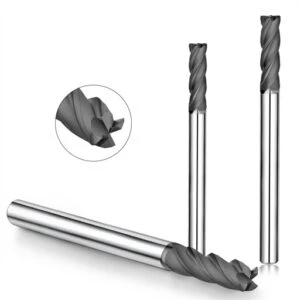
Strategies to Enhance Graphite Cavity Milling Efficiency
In our decade of supervising high-precision CNC shops, we have learned that maximizing efficiency requires more than just cranking up spindle speeds or feed rates. Aggressive, uncalibrated adjustments typically backfire, causing rapid edge degradation, poor surface finishes, and scrap parts. True optimization requires a comprehensive strategy that balances your graphite cavity milling paths, specialized tooling selections, and rigid cutting data.
We recently consulted for an injection mold maker struggling with excessively long electrode production cycles for a multi-cavity project. Our onsite audit revealed that their CNC machines were capable, but their CAM toolpaths distributed material allowances poorly between roughing and finishing cycles. By redesigning their cutting strategies and restructuring their machining workflow, we slashed their cycle times while protecting part tolerances. You must diagnose your true bottleneck before attempting to optimize your parameters.
Optimizing Cutting Parameters to Boost Graphite Precision Milling Efficiency
In high-tolerance manufacturing, your CNC parameter selection dictates both part quality and your overall shop throughput. Our application experience confirms that the ideal window for cutting data shifts based on your chosen graphite grade, tool geometry, and machine rigidity. Rather than relying on generic factory guidelines, successful graphite precision milling requires fine-tuning your feeds and speeds to match the exact application.
During critical finishing cycles, we meticulously control your step-over values, axial depths, and chip loads to eliminate surface artifacts and part deflection. Conversely, heavy roughing cycles must prioritize maximum material removal rates and open chip evacuation to prevent dust packing. If you are tuning your parameters, make incremental adjustments based on spindle load feedback rather than chasing arbitrary catalog numbers.
Reducing Tool Change Frequency with Long-Life Graphite Cutters
Frequent, unscheduled tool changes ruin your shop’s operational rhythm, escalate labor costs, and introduce severe dimensional variations between batches. We often see operators forced to constantly adjust work offsets because rapid edge wear destroys their part tolerances from one electrode to the next. Upgrading to long-life CNC graphite cutting tools engineered for continuous duty is essential for maintaining a predictable production schedule.
However, extending tool longevity requires balancing tool wear against your final part tolerance requirements. Running a tool until it completely fails will always result in out-of-spec dimensions and poor EDM performance. We highly recommend implementing a proactive tool life management system that tracks total machined volume, surface finishes, and dimensional drift to establish reliable tool retirement intervals.
Establishing a Comprehensive Graphite Machining System to Enhance Mold Manufacturing Capabilities
Years of running high-output electrode lines prove that stable manufacturing capacity relies on entire process harmony, not isolated high-end equipment. A world-class production line requires perfect synergy between machine tool dynamics, specialized cutters, CAM toolpaths, dust collection, and quality control. True optimization means treating your entire graphite machining systems as a single, unified entity.
We recently helped a precision mold facility eliminate a major bottleneck by shifting their focus away from individual tool costs. By aligning their machining sequences, upgrading their tooling configurations, and stabilizing their dust extraction, we dramatically improved their overall batch consistency. To scale your mold manufacturing capabilities, you must evaluate whether your current electrode workflow functions as a complete, closed-loop system from CAD to final inspection.
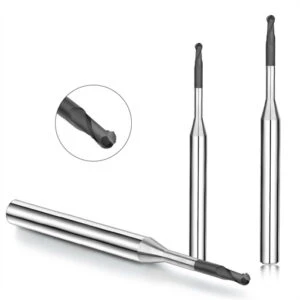
Achieving Efficient Graphite Cavity Milling with a Graphite Machining System
Over a decade of managing high-precision mold projects proves that stable electrode fabrication cannot be achieved by tuning a single parameter or swapping a tool. Success requires a seamless integration of machine tool calibration, application-specific tooling, optimized CAM toolpaths, and rigorous shop-floor management. A comprehensive graphite machining system helps shops establish predictable manufacturing logic, striking the ultimate balance between throughput, accuracy, and process stability.
If you are currently optimizing your electrode manufacturing line, start by diagnosing your primary bottleneck. Are your cycle times hindered by premature tool failure, fluctuating dimensions, or struggles with deep-cavity geometries? Evaluate these variables using your own shop floor data and specific graphite grades rather than copying generic parameters from other shops. Every unique mold structure requires a tailored engineering solution to truly unlock its production potential.
Summary of the Value of Graphite Mold Machining
In modern mold manufacturing, the true value of high-quality electrode fabrication lies in stabilizing the downstream Electrical Discharge Machining (EDM) process. An optimized graphite mold machining workflow allows your shop to dictate electrode dimensional accuracy, surface finishes, and micro-feature fidelity. Eliminating geometric errors at the CNC mill prevents costly down-time, rework, and manual compensation adjustments during the critical EDM phase.
When milling intricate cavity molds or high-tolerance electrodes, process consistency across continuous batches must be your primary metric. Our field experience shows that the greatest manufacturing challenges rarely involve machining a single perfect prototype. Instead, the difficulty lies in maintaining tight tolerances over long production runs as tools wear. Implementing a highly repeatable process is far more valuable than chasing short-term peak efficiency.
:Summary of Selection Logic: Graphite End Mills vs. Diamond-Coated End Mills
We always advise our industry peers to select cutting tools based on the specific machining phase rather than hunting for a single universal cutter. Heavy roughing cycles prioritize maximum material removal volume and open chip evacuation flutes. Conversely, precision finishing demands exceptional edge retention, pristine surface finishes, and absolute dimensional stability. Choosing the right graphite end mill requires analyzing material densities, cavity depths, and production cadences.
If your shop battles short tool life or poor surface finishes during graphite cavity milling, your tooling strategy likely mismatches the application. Deep-cavity profiles require optimized tool neck configurations, while high-volume automated lines demand premium diamond-coated wear resistance. Make data-driven tooling adjustments based on actual volumetric wear patterns and digital inspection results to find the perfect combination for your shop.
Partnering with a Specialized Graphite End Mill Manufacturer for Long-Term Machining Advantages
Our engineering experience confirms that maintaining a competitive edge relies as much on your cutting tool supplier’s technical expertise as the physical tool itself. A specialized graphite end mill manufacturer must deliver application engineering support tailored to your unique spindles, materials, and production goals. Sourcing off-the-shelf, commodity tools without expert advice often leaves significant efficiency on the table.
When building a long-term electrode workflow, look past the initial purchase price and focus on the total cost per part. Analyze long-term machining stability, tool service life, batch consistency, and the speed of your supplier’s technical support. Partnering with an expert team to review your blueprints, graphite grades, and CNC graphite cutting tools is the fastest way to permanently optimize your mold manufacturing capabilities.